

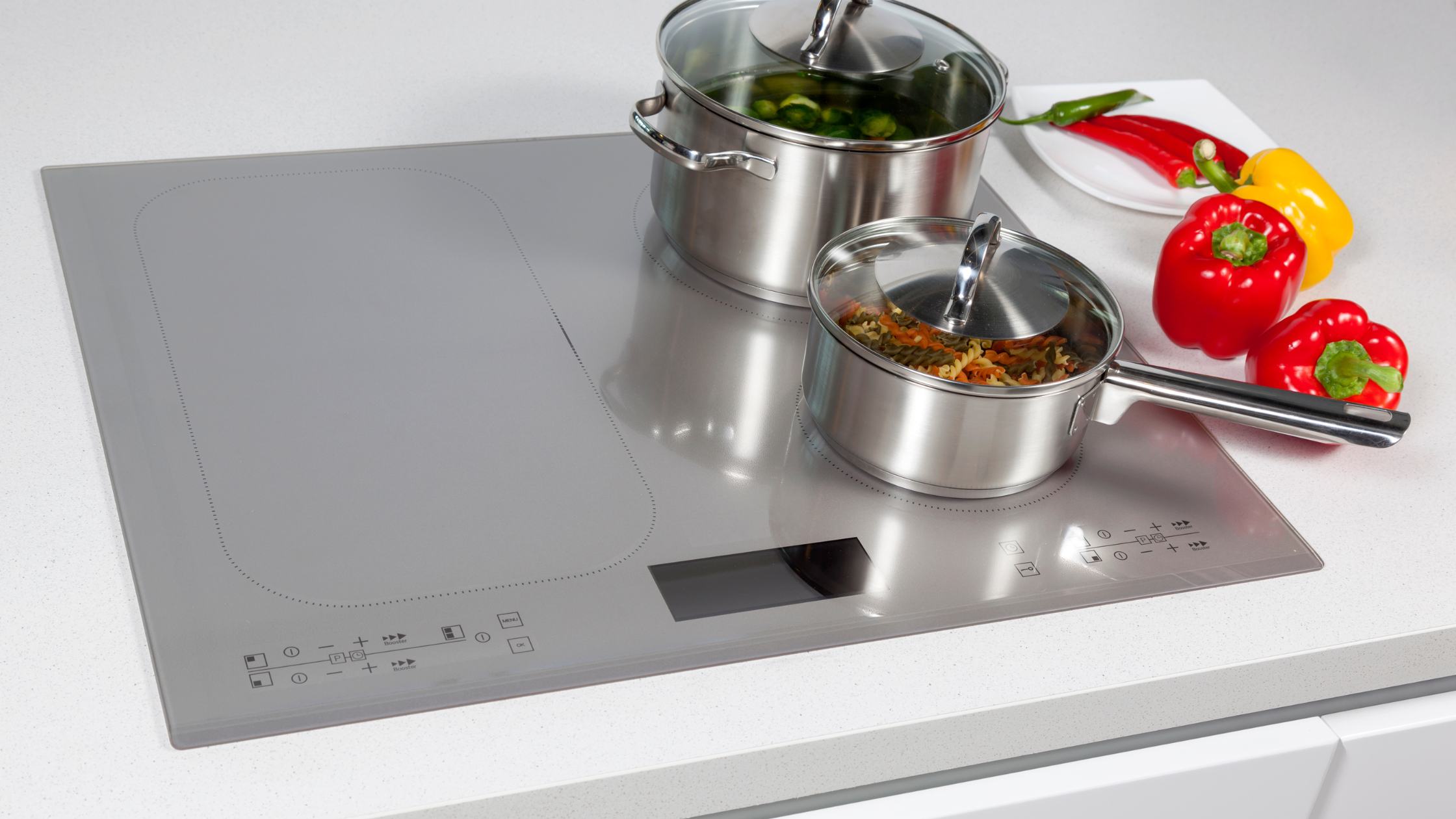
What is an Induction Cooktop?
An induction cooktop is a modern cooking appliance that uses electromagnetic energy to heat up pots and pans. Unlike the traditional gas stove or electric cooktop, an induction cooker does not generate heat by itself. Instead, it creates an electromagnetic field that induces electric currents in the metal of compatible cookware to produce heat.
The induction technology offers several advantages over other types of cooking equipment. It heats up faster than gas and electric stoves, making it ideal for busy chefs or homeowners on the go. It also provides precise temperature control, allowing users to adjust the heat accurately and consistently.
Moreover, induction cooktops are more energy-efficient than conventional ones because they waste less energy through radiation or convection. They are also safer to use since there’s no open flame or exposed heating coils that could cause accidental burns or fires.
Pros of Induction Cooktops
There’s so much to love about these cooktops, whether you’re looking out for energy efficiency or a perfectly cooked dish. Let’s go over some of the advantages they have over conventional cooktops:
Easy to Clean
Induction cooktops are easy to clean because the induction cooking doesn’t affect the main cooktop. So, it’s rare for grease splatters, spilled food, and other gunk to get burnt on the cooktop surface.
Wiping off the gunk once you’re done cooking would be best. However, you should be careful since the heat from the cookware may cause the cooktop to be hot. To avoid casualties, wait till the surface is cool.
Fast to Heat and Cook Food
Research shows that induction cooktops are 85% energy-efficient. That is, 85% of energy goes to the cooktop, creating a highly efficient and reliable system. Apparently, no other cooking technology is faster than induction.
For example, 6 cups of water can boil on an induction cooktop 3 to 4 minutes earlier than on an electric or gas cooktop.
With its improved energy efficiency, cooking is faster and more fun. The induction cooktop eliminates the stage of warming up and heat transfer to the pot.
Better Temperature Control
Induction cooking draws current from an electromagnetic field. Lowering the temperature of the cooktop results in a low charge, and raising the temperature increases the charge (high). At higher settings, you’ll hear a loud hum or buzz.
More so, it’s easier to adjust the temperature control compared to electric or gas cooktops.
In-built Safety Feature
It will only heat up if you turn on the induction burner with a pot on it. The reason is that heat is generated from within the cookware, and once you remove it from the burner, the heating ceases.
The glass surface of an induction cooktop is usually not as hot as that of the conventional electric cooker, and you don’t have to worry about getting burnt if you touch it.
The surface will only feel as hot as a kitchen counter when you place a pot of cooked food on it.
Environmentally Friendly
Induction cooktops are 5% to 10% more energy efficient than traditional electric cooktops and about five times more efficient than gas stoves.
Plus, unlike gas cooktops, induction serves best for indoor air quality.
Meal Prep is Less Difficult
Since heat is generated within your pan or pot, induction cooking is even more precise. No simmering sauce will break to a boil onto the scorched pan.
Cons of Induction Cooktops
Just as there are advantages to using induction cooktops, there are disadvantages too. They are:
High Cost of Purchase
Induction cooktops are typically more expensive than conventional electric stoves. Purchasing a new induction range could make you eligible for a rebate from the Inflation Reduction Act.
However, the price has reduced in the last few years as some induction cooktops now sell for about $1000.
Conversion is Expensive
Converting from a gas to an electric cooktop is costly. An induction cooktop uses the same outlet as a standard electric range. If you plan to switch from gas to an induction cooker, be prepared to pay your electrician a lot of money.
Different Feel From Gas Cooktops
Induction cooking is entirely different from gas cooking. Most chefs and homeowners love cooking on a flame because of the quick visual feedback they always get.
You won’t even know the induction cooktop is on because the electromagnetic field it draws doesn’t light up. Most manufacturers now add virtual flames and other lighting cues to the cooktops.
Picking the Right Cookware
Pans made of anodized aluminum isn’t suitable for induction cooking. Instead, cast iron and stainless steel are best. When shopping for cookware, look out for pans and pots labelled “induction-compatible.”
To confirm whether your cookware will work on an induction cooktop, check if a magnet sticks firmly to the bottom of your pot. If it does, then it’s suitable for an induction burner.
You can use an analog thermometer if you don’t have a magnet. Do not use a digital thermometer, as the magnetic field of your induction cooktop can interfere with the current transmission.
FAQs
Do you Need to Use Different Cookware for Induction Cooking?
It’s essential to consider the type of cookware you’ll need before buying an induction cooktop. Induction cookware must be conductive (they must be receptive to electromagnetism).
Pans, pots, and Dutch ovens made of stainless steel and cast iron are perfect for induction cooking. Never use ceramic, copper, glass, or aluminum materials on your cooktop.
What Should I Expect from Induction Cooking?
You’ll undergo a learning cycle when you start using induction cooktops. That’s because you’ll realize the cookware heats up more quickly, reducing the usual cook time. Make sure to monitor your food to prevent overcooking constantly.
Another notable feature of induction heating is its power levels. The cooktops have numerous power levels, giving you enough options to choose from. Find the perfect amount of heat for your boiling, simmering, frying, etc.
Can Induction Cooktops be Easily Installed?
Getting a professional to install your induction cooker is advisable because of the electrical wiring and power supply connections.
Most times, induction cooktops require new wiring or a specialized outlet. If you’d love to replace your current cooktop with the induction type, speak to a contractor or an electrician.

LET’S CONNECT
OPEN HOURS
Mon-Fri: 8AM-6PM
Saturday: 10AM-6PM
Sunday: 10AM-6PM
QUICK LINKS:
LET’S CONNECT
(778) 600-1787
service@langleyappliancesrepair.ca
OPEN HOURS
Mon-Fri: 8AM-6PM
Saturday: 10AM-6PM
Sunday: 10AM-6PM
QUICK LINKS:
© 2025 Langley Appliances Repair All Rights Reserved | Privacy Policy | Sitemap