

Repairing Agitator Issues in LG Washers
Fixing Agitator Problems in LG Washers: A Simple Guide
If your LG washer isn’t cleaning your clothes as well as it used to, the agitator might be the problem. The agitator is a key part of your washer that moves your clothes through water and detergent to clean them thoroughly. When it isn’t working right, you might notice clothes staying still during the cycle, grinding or clicking noises, or even error codes popping up.
The good news is that fixing agitator problems is often simpler than you’d think. In this guide, we’ll explain how the agitator works, how to spot issues, and how to fix them yourself or know when to call a professional.
What Is an Agitator and How Does It Work?
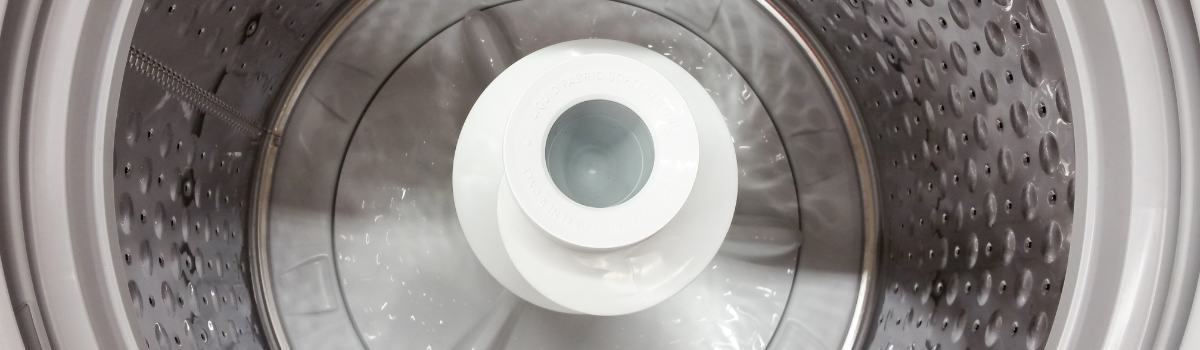
The agitator is the tall, central column in top-loading washers, including many LG models. It moves back and forth during the wash cycle, helping to loosen dirt, remove stains, and evenly mix detergent with water. Without a working agitator, your washer won’t clean your clothes as effectively.
Some newer washers use a low-profile disc called an impeller instead of an agitator. While both designs clean clothes, agitators are better for heavily soiled clothes or bigger loads. The agitator works with other parts like the motor, transmission, and drive belt to function smoothly, but these parts can wear out over time and cause problems.
Signs Your LG Washer’s Agitator Has a Problem
How can you tell if the agitator isn’t working? Here are some common warning signs:
It Doesn’t Move
The washer drum spins, but the agitator stays still. Worn-out agitator dogs, a loose belt, or a transmission issue might cause this.
Grinding or Clicking Sounds
These noises during the cycle often mean a part inside the agitator is damaged, or something is stuck underneath.
Clothes Are Still Dirty
If your clothes aren’t coming out clean, the agitator might not move properly.
Error Codes
LG washers sometimes display codes when the agitator or related parts fail. These codes often point to problems with the motor, belt, or transmission.
Catching these issues early can help you avoid more costly repairs later.
How to Diagnose Agitator Problems
If you think the agitator is broken, here’s how to figure out what’s wrong:
- Look for Objects in the Washer Drum
Check for coins, buttons, or clothing items stuck under or around the agitator. These can stop it from moving or cause strange noises. - Inspect the Agitator Dogs
Agitator dogs are small plastic pieces inside the agitator that control its movement. If they’re worn out, the agitator won’t turn properly. Remove the agitator cap to see if the dogs are damaged. - Check the Drive Belt
The drive belt connects the motor to the washer drum and agitator. A loose or broken belt can stop the agitator from working. Look for cracks or fraying on the belt. - Examine the Transmission and Motor
These parts power the agitator’s motion. You might notice burning smells or a complete lack of agitation if worn or damaged. - Test the Lid Switch
Some washers won’t agitate if the lid switch isn’t working. You can test the switch with a multimeter to see if it’s functioning.
How to Fix Agitator Problems Yourself
Once you know what’s causing the problem, you might be able to fix it on your own. Here are the most common solutions:
Stay Safe
- Always unplug the washer and turn off the water supply before working on it.
- Have tools like a screwdriver and wrench ready and replacement parts if needed.
Replace Worn Agitator Dogs
- Take off the agitator cap and unscrew the bolt holding it in place.
- Remove the agitator and swap out the old agitator dogs for new ones.
- Put the agitator back together and test it.
Fix or Replace the Drive Belt
- Access the drive belt by removing the back or bottom panel of the washer.
- If the belt is loose or broken, replace it with a new one. Make sure it’s tight enough for proper movement.
Remove Stuck Objects
- Lift the agitator carefully to check for debris underneath.
- Remove anything you find, then reassemble the agitator.
Address Motor or Transmission Issues
- If the motor or transmission is damaged, replacing them can be tricky.
- Consider hiring a professional for these more complicated repairs.
How to Prevent Future Agitator Problems
Keeping your washer in good shape can help you avoid agitator issues. Here’s what to do:
Don’t Overload Your Washer
Distribute clothes evenly and avoid stuffing too many items into one load. Overloading can strain the agitator and other parts.
Clean the Drum and Agitator Regularly
Wipe away detergent residue, lint, and debris to keep the agitator moving smoothly.
Use the Right Detergent
High-efficiency washers, like LG models, work best with HE detergents. These detergents produce fewer suds, which can reduce buildup inside the washer.
Frequently Asked Questions
Why does my LG washer make noise during agitation?
Worn agitator dogs, a loose belt, or debris stuck under the agitator are common causes.
How much does it cost to replace an agitator?
The price usually ranges from $50 to $150, depending on the washer model and the part.
Can I use my washer without an agitator?
Some washers can run without an agitator, but they may not clean clothes as effectively.
Conclusion
Fixing agitator problems in an LG washer doesn’t have to be difficult. You can regain your washer by recognizing the signs, diagnosing the issue, and making simple repairs. Regular maintenance, like balancing loads and using the right detergent, can help keep your washer running smoothly.
If you encounter bigger problems or are unsure about a repair, don’t hesitate to call a professional. With these tips, you’ll be ready to tackle agitator problems confidently and get the most out of your LG washer.

LET’S CONNECT
OPEN HOURS
Mon-Fri: 8AM-6PM
Saturday: 10AM-6PM
Sunday: 10AM-6PM
QUICK LINKS:
LET’S CONNECT
(778) 600-1787
service@langleyappliancesrepair.ca
OPEN HOURS
Mon-Fri: 8AM-6PM
Saturday: 10AM-6PM
Sunday: 10AM-6PM
QUICK LINKS:
© 2025 Langley Appliances Repair All Rights Reserved | Privacy Policy | Sitemap