

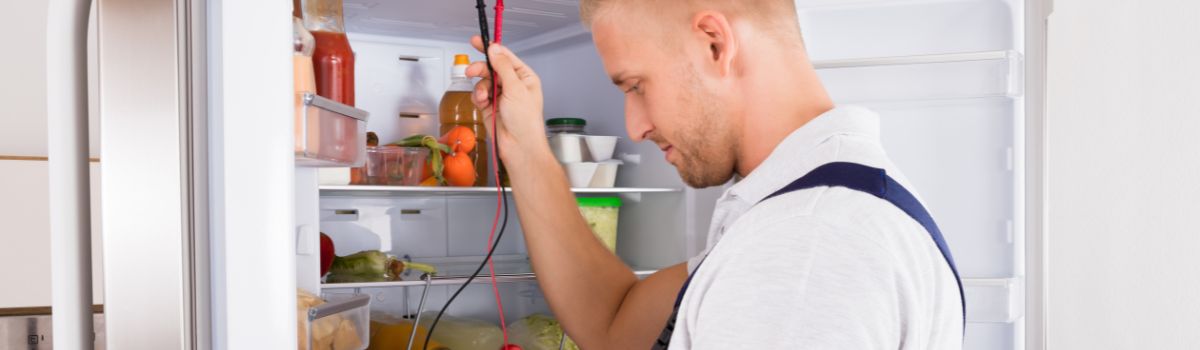
Amana Refrigerator Rattling Noise
Understanding and Fixing Rattling Noises in Amana Refrigerator
Rattling noises in refrigerators can be annoying, but tracking down the culprit doesn’t have to be complicated. Start by doing some detective work with your ears (and maybe a flashlight). Cooling problems can sometimes contribute to these noises, so it’s worth checking for airflow blockages or malfunctioning components. Move close to the fridge and methodically listen for the sound, paying attention to one spot at a time. Here’s where you should focus:
- Back of the Refrigerator: If the noise is coming from the back, it’s likely tied to the mechanical components, like the compressor or condenser fan. Loose panels or brackets here are also common troublemakers.
- Inside the Refrigerator: Don’t underestimate the chaos a couple of misarranged pickle jars can cause. Check if items stored in the fridge are rattling against one another.
- Underneath the Refrigerator: Slide out the drain pan and shake it gently if it’s loose or seated unevenly, it might be your culprit.
- Sides or Top of the Refrigerator: Press gently on the sides or top. If the noise changes or stops, the unit might be vibrating against something in its environment.
Once you zero in on the general location, you’ll have a better idea of what’s causing the problem and whether it’s a fix you can handle yourself.
Common Causes of Rattling and How to Address Them
When your Amana refrigerator begins to rattle, the cause is often easier to address than you might think. Here’s a quick breakdown of typical culprits and no-nonsense fixes:
Loose Parts or Panels
Over time, wear and tear can loosen screws or panels on your fridge, leading to noise. It’s one of the most straightforward problems to spot and fix.
- What to do: Grab a screwdriver and tighten the obvious culprits any external screws, panels, or brackets that seem wobbly. If something is missing or broken, replace it.
Compressor Noise
The compressor is the workhorse responsible for keeping your fridge cold. A rattling compressor might be annoying and signal trouble if left unchecked.
- What to do: Check the mounting brackets holding the compressor in place. Tighten them if you notice any give. Anything beyond that? Call a pro you don’t want to mess with internal components.
Condenser Fan Obstruction
The condenser fan is a magnet for dust, debris, and even the occasional rogue piece of packaging. A fan blade hitting something or out of balance will be loud enough for you to notice.
- What to do: Unplug your fridge, access the fan (usually at the back or bottom), and clean it thoroughly. If the fan blade wobbles or looks bent, replacing it is likely your best option.
Drain Pan Issues
The drain pan usually sits under the fridge to catch condensation. Sometimes, it’s just barely out of place, which is enough to create a startlingly loud rattle.
- What to do: Pull out the pan, inspect it for damage, and reseat it securely in its designated slot. If it’s cracked, get a replacement it’s a simple swap.
Uneven Surface or Poor Leveling
Refrigerators aren’t big fans of uneven floors. If the appliance isn’t stable, vibrations can translate into a persistent rattle that’ll drive you nuts.
- What to do: Adjust the leveling feet until the fridge is solid and steady. No leveling tool? Good old trial and error works too just make sure the wobble stops.
Items Stored in the Fridge
This one might seem a bit too obvious, but jars, bottles, and other items banging together is a common culprit.
- What to do: Take five minutes to declutter your fridge and position items so they’re not touching. Bonus: this also keeps food fresher, thanks to better airflow.
Ice Maker Problems
If you’ve got an ice maker, it’s worth inspecting. Something as simple as a jammed ice cube or loose component can set off an irritating rattle.
- What to do: Open the ice maker compartment and clear out any stuck ice. Tighten screws or parts if they feel loose. And if it’s beyond repair, you might need to replace the component entirely.
By isolating the issue and tackling it piece by piece, you’ll silence that maddening rattling noise and restore the quiet calm your kitchen deserves.
Preventing Future Rattling Noises
Don’t let rattling noises become a recurring annoyance or worse, escalate into costly repairs. Prevention requires minimal effort and can save you frustration down the road. Below are practical strategies to help you stay ahead of potential fridge noise issues:
Regular Maintenance
A routine cleaning session every few months can make a big difference. Focus on these areas:
- Condenser fan: Clear away dust and debris to prevent wear and noise.
- Drain pan: Ensure it’s clean and properly positioned.
Dust buildup in these areas is a common culprit for rattling sounds. Use a vacuum or soft brush to keep things running smoothly.
Level Installation
An uneven refrigerator is one of the top causes of rattling noises. To ensure stability:
- Use a leveling tool for proper alignment.
- Adjust the fridge’s feet as needed until it’s rock-solid on the floor.
A level setup not only stops rattling but also improves the fridge’s overall performance.
Inspect and Tighten Screws
Over time, the fridge’s natural vibrations can loosen screws and fasteners. Combat this by:
- Conducting a “quick inspection” every six months.
- Tightening screws and fasteners to prevent wobbling.
Avoid over-tightening, as this can damage components; ensure everything is secure.
Practice Proper Storage
How you organize your fridge can influence noise levels. To keep things quiet:
- Avoid clinking bottles and jars, and space them out evenly.
- Refrain from stacking foods precariously, as vibrations can amplify noise.
A little attention to fridge organization goes a long way in maintaining quiet.
The Takeaway
A bit of proactive care prevents rattling noises from becoming a persistent nuisance. Think of these steps as basic fridge hygiene essential for a long-lasting, noise-free appliance. With regular upkeep, you’ll save time, money, and headaches.
When to Call for Professional Help
Sometimes, no amount of cleaning, tightening, or adjusting will do the trick. When the rattling noise refuses to go away or worse, seems to be getting louder, it’s time to bring in an expert. Ignoring persistent rattles could lead to small issues escalating into expensive repairs or even complete appliance failure. Here’s a breakdown of scenarios that require professional attention:
Compressor Concerns
- If the rattling noise seems to come from the compressor a heavy, sealed component at the back of your fridge do not attempt to open it or make adjustments yourself.
- Compressors are complex and potentially hazardous to handle.
- A professional technician can safely assess whether your compressor needs repairs or replacement.
Exhausted Every DIY Option
- You’ve cleaned fans, tightened screws, adjusted legs, secured the drain pan, reorganized the fridge, and still can’t silence the rattle.
- Some problems simply go beyond the limits of DIY troubleshooting.
- When you’ve done everything you can and the noise persists, it’s time to pass the task to a pro.
Broken or Damaged Parts
- Visible damage, like a misaligned fan blade or cracked drain pan, could indicate significant underlying issues.
- While minor repairs may be DIY-friendly, more serious damage requires specialized knowledge and tools.
- Leaving damaged parts unattended can lead to further complications.
Why Call a Professional?
Professional service isn’t just about fixing the immediate issue it’s also about preventing future problems. Here’s why scheduling an expert visit is a smart move:
- Peace of Mind: You’ll avoid the risk of worsening the problem with improper repairs.
- Long-Term Savings: Addressing the problem early can save you from more costly repairs or a potential appliance replacement.
- Expertise: Technicians have the training and tools to identify and resolve issues you might not even notice.
Trust your instincts if you’re second-guessing your repair skills or worried about making things worse. Calling an expert now can save you from bigger headaches down the road.

LET’S CONNECT
OPEN HOURS
Mon-Fri: 8AM-6PM
Saturday: 10AM-6PM
Sunday: 10AM-6PM
QUICK LINKS:
LET’S CONNECT
(778) 600-1787
service@langleyappliancesrepair.ca
OPEN HOURS
Mon-Fri: 8AM-6PM
Saturday: 10AM-6PM
Sunday: 10AM-6PM
QUICK LINKS:
© 2025 Langley Appliances Repair All Rights Reserved | Privacy Policy | Sitemap