
Replacing Washing Machine Parts
Why Replacing Washing Machine Parts Matters
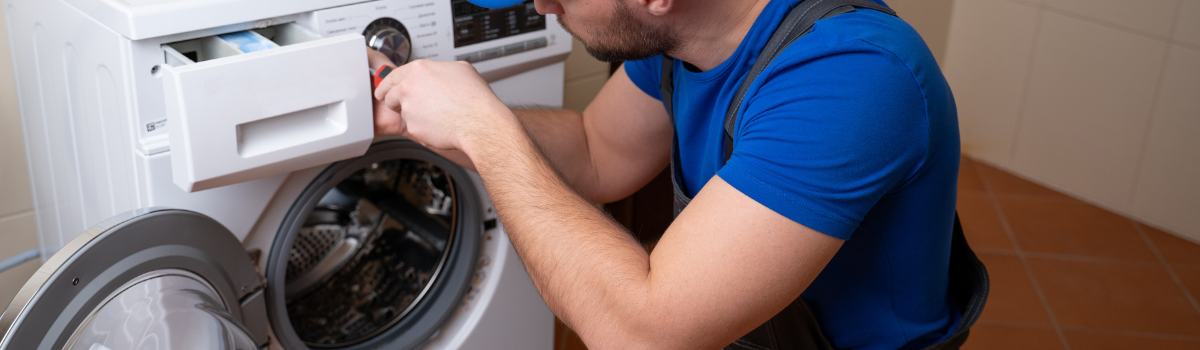
A washing machine is an important appliance in any home. It keeps your clothes clean and fresh, but parts can wear out over time. If certain components break, your washer may stop working properly, leak water, or even shut down completely. Repairing agitator parts is one common maintenance task that can help keep your machine running smoothly.
Replacing worn-out parts is a much cheaper and more eco-friendly option than buying a brand-new machine. Common problems include broken belts, damaged pumps, worn-out seals, and faulty inlet valves. Learning to diagnose these issues and replace parts yourself can save money and extend the life of your machine.
This guide will show you how to diagnose your washer’s problem, what tools you need, and how to replace different parts step by step.
Staying Safe While Repairing Your Washer
Fixing appliances can be dangerous if you’re not careful. Washing machines use both electricity and water, which makes safety very important. Follow these steps to protect yourself:
- Turn Off Power and Water: Unplug the washing machine and shut off the water supply before starting any repairs. This prevents electric shocks and water leaks.
- Wear Safety Gear: Use gloves to protect your hands from sharp parts and safety goggles to shield your eyes from debris.
- Work in a Safe Area: Place your washing machine on a flat, stable surface. If it wobbles or moves, it could fall and cause injury.
- Keep Tools Ready: Organize all your tools before you start to avoid distractions that could lead to mistakes.
- Read the Manual: Check the manufacturer’s guide for specific safety instructions for your model.
Following these steps will help you repair your washing machine safely and efficiently.
How to Tell If a Washing Machine Part Needs Replacing
Before changing any parts, you need to figure out what’s wrong. Here are some common washing machine problems and what they usually mean:
The Washer Won’t Start
Check if the power cord is plugged in, the outlet works, or the lid switch is broken. A faulty control board or motor relay could also be the issue.
Loud Noises
Grinding, banging, or squealing sounds could mean a loose belt, bad drum bearings, or worn-out shock absorbers.
Water Leaking
Leaks often come from cracked hoses, failing water pumps, or broken seals.
The Drum Won’t Spin
A loose belt, broken motor coupling, or a faulty door lock could be the cause.
Clothes Stay Dirty
If clothes aren’t cleaned properly, the problem could be a clogged detergent dispenser, a broken agitator, or a failing water inlet valve.
Water Stays in the Drum
If the washer doesn’t drain, there could be a clogged drain hose or a broken drain pump.
By recognizing these signs, you can identify the faulty part and move on to replacing it.
Common Washing Machine Parts That Need Replacing
Several parts in a washing machine can wear out over time. Here are the most common ones and what they do:
- Drive Belt: Turns the drum. If it’s worn out, the drum won’t spin correctly.
- Water Pump: Drains used water from the washer. A broken pump can leave water inside the machine.
- Hoses and seals: keep water inside the machine. If they crack or wear out, leaks will occur.
- Lid Switch and door Lock: These ensure that the washer only runs when the lid or door is securely closed. A faulty switch can stop the machine from working.
- Drain Pump: Removes wastewater. If it gets clogged or broken, the washer won’t drain properly.
- Motor Coupling: Connects the motor to the transmission. If it breaks, the drum won’t turn.
- Shock Absorbers & Springs: Keep the washer stable and prevent excessive shaking. If damaged, the machine may vibrate too much.
- Heating Element: (Front-Load Washers): This element warms the water. If faulty, the machine won’t heat properly, affecting cleaning performance.
- Water Inlet Valve: This valve controls how much water enters the machine. The washer may not fill correctly or take in too much water if defective.
Replacing these parts when they fail will keep your washing machine running well without costly repairs or replacements.
Tools You’ll Need to Replace Washing Machine Parts
To replace washer parts, you’ll need some basic tools. Keeping them handy will make the job easier:
- Screwdrivers: Used to remove panels and screws.
- Wrench Set: Helps loosen and tighten bolts.
- Pliers: Useful for gripping hoses and wires.
- Multimeter: Helps check if electrical components are working.
- Putty Knife: Needed to open certain panels.
- Replacement Parts: Make sure to buy the correct part by checking your washer’s model number.
Having the right tools will make the repair process smooth and stress-free.
How to Replace the Most Common Washing Machine Parts
Follow these simple guides to replace common washing machine parts:
Replacing the Drive Belt
Remove the back panel, loosen the motor bolts, remove the old belt, install the new one, and adjust the tension.
Changing the Water Pump
Disconnect the hoses, remove the old pump, install the new one, and check for leaks.
Fixing Hoses & Seals
Remove the damaged part, clean the area, attach the new part, and secure it tightly.
Replacing the Door Lock
Open the control panel, remove the broken lock mechanism, and install the replacement.
Installing a New Drain Pump
Remove the pump housing, check for debris, and replace the pump if necessary.
Swapping the Water Inlet Valve
Shut off the water, remove the defective valve, install the new one, and test for leaks.

LET’S CONNECT
OPEN HOURS
Mon-Fri: 8AM-6PM
Saturday: 10AM-6PM
Sunday: 10AM-6PM
QUICK LINKS:
LET’S CONNECT
(778) 600-1787
service@langleyappliancesrepair.ca
OPEN HOURS
Mon-Fri: 8AM-6PM
Saturday: 10AM-6PM
Sunday: 10AM-6PM
QUICK LINKS:
© 2025 Langley Appliances Repair All Rights Reserved | Privacy Policy | Sitemap