

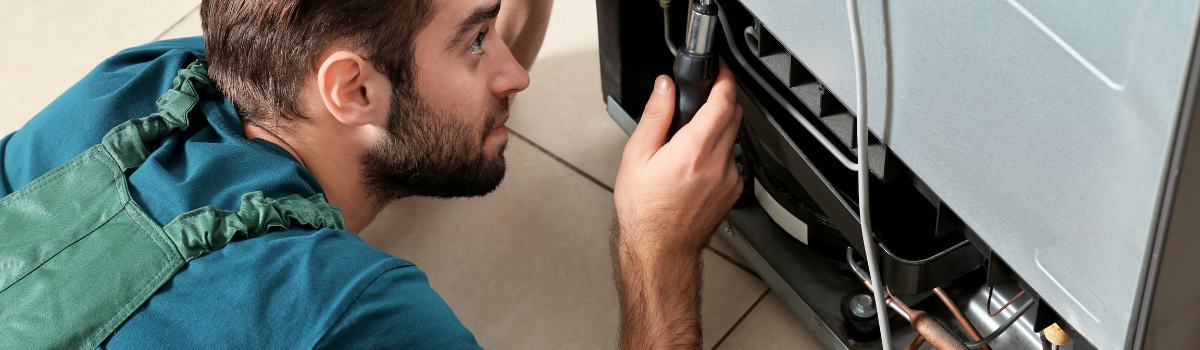
How to Upgrade Refrigerator’s Cooling System
Why a Good Cooling System is Important for Refrigerators
Your refrigerator is one of your home’s most important appliances. It keeps your food fresh, prevents spoilage, and ensures that drinks stay cold. Inside your fridge, a cooling system constantly works to keep everything at the right temperature. When the system works properly, it maintains a steady, cool environment, which helps reduce food waste. However, parts inside your fridge can wear out over time, making it less efficient. This can lead to uneven temperatures, wasted energy, and even food going bad too soon. Ice odor can also develop when the fridge isn’t working properly, as the air circulation gets affected.
A fridge that runs efficiently keeps your food fresh and saves you money. If the cooling system is not working well, the fridge has to work harder to stay cold, using more electricity. Since energy costs rise, keeping your fridge in good shape can lower your electric bill. An energy-efficient fridge also helps the environment by reducing energy waste. Understanding how to maintain and upgrade your fridge’s cooling system can improve its performance, make it last longer, and help you avoid costly repairs.
Signs That Your Refrigerator Needs an Upgrade
If your fridge isn’t keeping food as cold as it used to, or if some areas are colder than others, it may need an upgrade. Here are some common signs that your fridge’s cooling system isn’t working as well as it should:
- Uneven Temperatures: Some items are freezing while others are too warm. This could mean there’s a problem with airflow or the thermostat.
- Too Much Frost: A little frost is normal, but if you see thick ice buildup in the freezer, it could mean the defrost system or fan isn’t working properly.
- Fridge Running All the Time: If your fridge never seems to shut off, the compressor might struggle to maintain the right temperature.
- Strange Noises: If you hear grinding, buzzing, or clicking sounds, a part inside the fridge, like the compressor or fan, might fail.
- Higher Energy Bills: If your electricity bill suddenly goes up, your fridge may be using too much power because it’s working harder than necessary.
Catching these issues early can help you fix them before they become major problems. Regular maintenance or small upgrades can keep your fridge working efficiently for years.
Ways to Upgrade Your Fridge’s Cooling System
There are different ways to improve how well your fridge cools. Some solutions are simple maintenance steps, while others involve replacing parts to improve efficiency. Here’s what we’ll cover in this guide:
- Basic maintenance: includes cleaning the coils, ensuring air circulation, replacing worn door seals, and adjusting temperature settings.
- Upgrading hardware: Installing a stronger fan motor, upgrading the thermostat, or replacing an old compressor.
- Recharging refrigerant: If necessary, adding more refrigerant can restore cooling, but a professional should do this.
Depending on the age of your fridge and the specific problem, some simple adjustments can make a big difference, while older models might need bigger repairs or replacements.
How a Refrigerator’s Cooling System Works
Main Parts and Their Functions
Refrigerator works by moving heat out of the inside compartments to keep them cold. Different parts work together to make this happen. Understanding these parts can help you figure out what might need maintenance or replacement:
- Compressor: This is like the fridge’s heart. It moves refrigerant through the system to absorb and release heat.
- Condenser Coils: These coils, usually found at the back or bottom of the fridge, release heat so the inside can stay cool.
- Evaporator Coils: These are inside the fridge and freezer. They absorb heat from the air inside the appliance to keep everything cold.
- Fan Motors: Fans move air over the coils and circulate cold air throughout the fridge and freezer.
- Thermostat and Temperature Sensors: These monitor the temperature and tell the compressor when to turn on and off.
- Refrigerant: This chemical moves through the coils, changing from liquid to gas as it absorbs and releases heat.
If any of these parts stop working properly, the fridge won’t cool either, and you may notice higher energy use or uneven cooling.
Why Fridge Cooling Efficiency Decreases Over Time
Even the best refrigerators lose efficiency as they age. Here are some common reasons why:
- Dust and Dirt Buildup: When dust covers the condenser coils, the fridge has a harder time releasing heat, making it work harder than necessary.
- Refrigerant Leaks: If there’s a small leak in the refrigerant system, the fridge will not cool properly and will require more energy.
- Worn-out Parts: Over time, parts like fans, thermostats, and compressors slow down or fail, reducing the fridge’s ability to stay cold.
- Damaged Door Seals: If the rubber seal around the fridge door is worn out, cold air will leak, making the fridge work harder to keep the temperature stable.
Keeping up with regular maintenance and making necessary upgrades can prevent these issues and help your fridge run more efficiently for a longer time.
Checking for Cooling Problems: Do You Need an Upgrade?
Common Cooling Problems
If your fridge isn’t as cold as it should be, it doesn’t always mean you need a new one. Some problems can be fixed with simple maintenance. However, knowing when a repair isn’t enough will help you decide when it’s time for an upgrade.
Here are some warning signs to watch for:
- Inconsistent Temperatures: If the fridge’s temperature fluctuates significantly, the thermostat or control board might not work properly.
- Cold Freezer, Warm Fridge: This often means an airflow issue or a broken evaporator fan.
- Too Much Ice Build-Up: If ice forms on the evaporator coils, the defrost system might not work correctly, making it harder for the fridge to cool properly.
- High Energy Use: If your fridge uses more power than usual, it might have an inefficient compressor or other failing parts.
Easy Troubleshooting Before Upgrading
Before spending money on a big repair or replacement, try these quick fixes:
- Check the temperature settings: The fridge should be between 37-40°F and the freezer at 0°F.
- Clean the condenser coils: Dust and dirt can block heat from escaping, making the fridge less efficient.
- Inspect the door seals: Close the fridge door on a sheet of paper if you can pull it out easily, the seal might need replacing.
- Check airflow: Ensure vents inside the fridge and freezer aren’t blocked by food or containers, allowing cold air to circulate evenly.
If these steps don’t fix the problem, it may be time to replace certain components or call a professional for help.

LET’S CONNECT
OPEN HOURS
Mon-Fri: 8AM-6PM
Saturday: 10AM-6PM
Sunday: 10AM-6PM
QUICK LINKS:
LET’S CONNECT
(778) 600-1787
service@langleyappliancesrepair.ca
OPEN HOURS
Mon-Fri: 8AM-6PM
Saturday: 10AM-6PM
Sunday: 10AM-6PM
QUICK LINKS:
© 2025 Langley Appliances Repair All Rights Reserved | Privacy Policy | Sitemap