

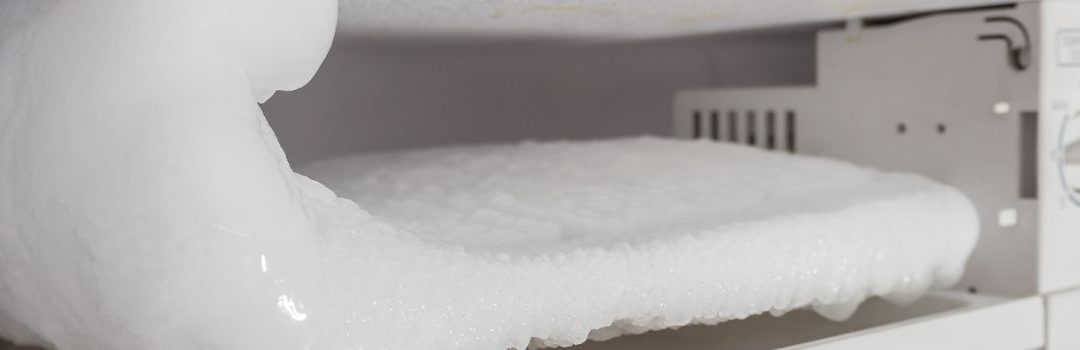
Smart Solutions to Tackle Fridge Ice Buildup in Langley Homes
Fridge ice buildup occurs when frost or ice accumulates inside your refrigerator or freezer, often on the walls, shelves, or around the door seals. This buildup can interfere with the appliance’s efficiency, causing it to work harder to maintain the right temperature. Over time, excessive ice can reduce storage space, block vents, and even lead to uneven cooling, especially if you’re dealing with a fridge not making ice.
Timely repair and preventive maintenance are crucial to avoid the consequences of ice buildup. If left unaddressed, ice accumulation can cause food spoilage due to inconsistent temperatures and may damage the fridge’s components, leading to costly repairs or early replacement. For Langley homeowners, staying on top of these issues helps ensure your fridge runs smoothly and keeps your food fresh.
Understanding Ice Buildup in Refrigerators
What Causes Ice Buildup?
Ice buildup in refrigerators is often the result of several common issues. One of the primary causes is faulty or damaged door seals, which allow moisture to enter the fridge. When warm, moist air seeps inside, it condenses and freezes, leading to ice accumulation. Improper temperature settings can also contribute by causing excessive condensation that turns into ice.
Another major factor is defrost system failures. Most modern refrigerators have an automatic defrost function that melts any ice buildup periodically. If this system malfunctions, ice will continue to accumulate unchecked. Additionally, high humidity levels both inside the fridge and in the surrounding environment increase the moisture content, accelerating ice formation.
Frequent or prolonged opening of the fridge door lets warm air in, increasing moisture inside the unit. Storing hot or uncovered food can also load the fridge with extra moisture, which eventually freezes and contributes to ice buildup.
How Ice Buildup Affects Your Fridge
Ice buildup can significantly reduce your refrigerator’s cooling efficiency. As ice accumulates, it acts as an insulator, making it harder for the fridge to maintain the proper temperature. This inefficiency causes the appliance to consume more energy, raising your electricity bills.
Moreover, excessive ice can damage fridge components such as fans, vents, and temperature sensors. This damage may lead to costly repairs or even a complete fridge replacement. Finally, ice buildup increases the risk of food spoilage by creating uneven cooling and potential temperature fluctuations inside the fridge.
Diagnosing Ice Buildup Issues
Inspecting Door Seals
One of the first things to check when you notice ice buildup in your fridge is the door seals. Over time, these seals can develop cracks, gaps, or become warped, allowing warm air to enter the fridge and cause excess frost. To test the effectiveness of the seal, close the door on a piece of paper or a dollar bill. If you can easily pull it out without resistance, the seal may need to be replaced to prevent cold air from escaping and warm air from seeping in.
Monitoring Temperature Settings
Proper temperature settings are crucial for preventing ice buildup. The refrigerator should be set between 37°F and 40°F (3°C to 4°C), while the freezer should be at 0°F (-18°C). If temperatures are too low, it can cause excessive frost formation. Conversely, temperatures that are too high may lead to food spoilage. Adjust your settings to these optimal ranges to reduce ice buildup and maintain food freshness.
Evaluating Defrost System
The defrost system plays a vital role in managing ice accumulation. Signs of a defrost system failure include excessive frost buildup on the evaporator coils or a freezer that won’t defrost automatically. There are two main types of defrost systems: manual and automatic. Manual systems require you to periodically defrost the freezer by turning it off and letting the ice melt, while automatic systems cycle through defrost periods without user intervention. If your automatic defrost system is malfunctioning, it may need repair to stop ice from accumulating.
Assessing Humidity and Moisture Sources
Langley’s environmental humidity can contribute to moisture buildup inside your fridge. High humidity causes condensation, which freezes and adds to ice buildup. To manage this, organize your food properly by keeping moisture-producing items sealed and avoiding overcrowding, which restricts airflow. Using airtight containers and regularly cleaning spills can also help minimize excess moisture inside your fridge.
Step-by-Step Repair and Maintenance Tips
Repair or Replace Door Seals
Start by regularly cleaning the door gaskets to maintain a tight seal. Use warm, soapy water and a soft cloth to remove dirt and debris that can prevent the door from closing properly. Inspect the seals for cracks, tears, or stiffness signs that they may need replacement. If you notice damage or the door doesn’t seal well even after cleaning, replace the faulty gasket. Most door seals can be removed by pulling them off gently and installing a new one by pressing it firmly into place.
Adjust Temperature Settings Correctly
Proper temperature settings are crucial to prevent ice buildup. Set your fridge temperature between 37-40°F (3-4°C) to keep food fresh without freezing moisture inside. For the freezer, maintain a temperature of 0°F (-18°C) to ensure efficient freezing without excessive frost formation. Check and adjust these settings using the thermostat control inside your appliance.
Fixing Defrost System Problems
If ice buildup persists, the defrost system might be malfunctioning. You can try resetting the defrost timer if your model allows it, or replace faulty defrost heaters to restore proper operation. However, if you’re unfamiliar with these components or the problem continues, it’s best to call professional repair services to safely diagnose and fix the issue.
Preventive Measures to Avoid Ice Buildup
- Avoid placing hot foods directly into the fridge, as the heat increases moisture inside, leading to frost formation.
- Always ensure the fridge door is fully closed after use to prevent warm air from entering and causing condensation.
- Clean condenser coils regularly to improve cooling efficiency and reduce ice buildup.
- Organize food items inside the fridge to minimize moisture release and improve air circulation.
- Use moisture-absorbing products or desiccants to control humidity levels within the fridge.
Advanced Tips for Langley Homeowners
Controlling Humidity in Your Kitchen
Excess humidity in your kitchen can contribute significantly to ice buildup in your fridge. To manage this, consider using dehumidifiers or improving ventilation in the space. Reducing ambient humidity helps prevent moisture from entering the refrigerator and freezing, which in turn minimizes ice accumulation.
Regular Appliance Checkups
Scheduling regular professional inspections is crucial for maintaining your fridge’s performance and preventing ice buildup. Technicians can check critical components such as the defrost system and door seals to ensure they are functioning properly. Early detection of issues during these checkups can save you from more extensive repairs later.
When to Seek Professional Help
If you notice persistent ice buildup despite your best DIY efforts, it’s time to call a professional. Additionally, signs of electrical or mechanical failures, like unusual noises, inconsistent temperatures, or failure of the defrost cycle, indicate that expert repair is needed to avoid further damage.
Summary and Final Recommendations
Fridge ice buildup is commonly caused by issues such as faulty door seals, temperature settings that are too low, blocked vents, or drainage problems. Addressing these problems promptly can prevent further damage and maintain the efficiency of your refrigerator. Solutions typically involve checking and replacing door gaskets, adjusting thermostat settings, clearing vents, and ensuring proper drainage.
Regular maintenance is essential to avoid ice buildup. This includes routinely inspecting door seals, cleaning vents, and monitoring fridge temperatures. Promptly repairing any identified faults helps keep your appliance running smoothly and extends its lifespan.

LET’S CONNECT
OPEN HOURS
Mon-Fri: 8AM-6PM
Saturday: 10AM-6PM
Sunday: 10AM-6PM
QUICK LINKS:
LET’S CONNECT
(778) 600-1787
service@langleyappliancesrepair.ca
OPEN HOURS
Mon-Fri: 8AM-6PM
Saturday: 10AM-6PM
Sunday: 10AM-6PM
QUICK LINKS:
© 2025 Langley Appliances Repair All Rights Reserved | Privacy Policy | Sitemap