

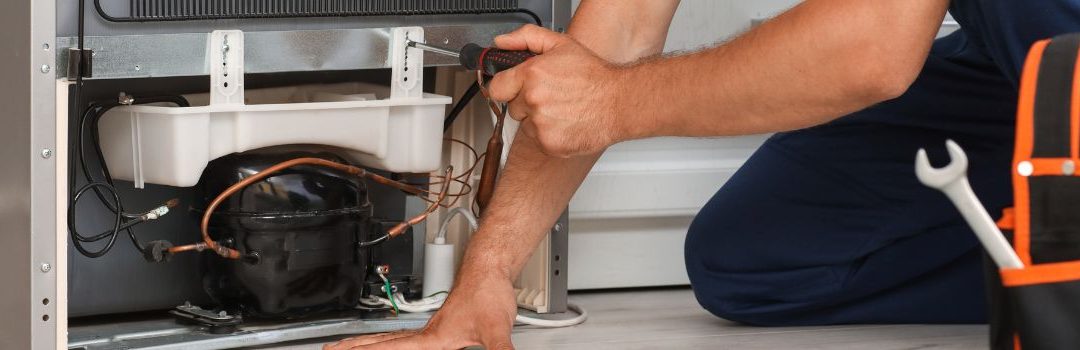
Step-by-Step Guide to DIY Fridge Compressor Replacement in the Langley Area
The compressor is a crucial component of any refrigerator, responsible for circulating refrigerant and maintaining the cold temperature needed to keep food fresh. Without a properly functioning compressor, your fridge cannot operate efficiently, leading to potential food spoilage and increased energy costs.
For residents in the Langley area, opting for a DIY fridge compressor replacement can be a practical and cost-effective solution. Repair services can be expensive, and doing the job yourself not only saves money but also provides a valuable learning experience. Issues such as ice build up can sometimes be linked to compressor problems, making timely repairs even more important. Moreover, with the right tools and guidance, many homeowners find that replacing a compressor is manageable.
Langley offers various local resources, including hardware stores, appliance parts suppliers, and online community forums where DIY enthusiasts share tips and advice. These support networks can be invaluable when undertaking a fridge compressor replacement project, ensuring you have access to the information and materials needed for a successful repair.
Understanding the Refrigerator Compressor
What is a Compressor?
The compressor is a critical component in the refrigeration cycle of a refrigerator. Its primary role is to compress the refrigerant gas, increasing its pressure and temperature. This process allows the refrigerant to circulate through the coils, where it releases heat and cools down to absorb heat from inside the fridge. By continuously cycling the refrigerant, the compressor helps maintain the desired low temperature within the refrigerator.
In-home refrigerators, the most common types of compressors used are the reciprocating and rotary compressors. Reciprocating compressors use pistons to compress the refrigerant, while rotary compressors use a rotating mechanism. Both types are effective in maintaining efficient cooling but may vary in noise levels and durability.
Signs of Compressor Failure
Recognizing early signs of compressor failure can help prevent complete breakdowns and costly repairs. Some common indicators include:
- Unusual noises: Grinding, rattling, or buzzing sounds coming from the compressor area may suggest mechanical issues.
- Refrigerator not cooling properly: If the fridge is not maintaining the correct temperature, the compressor might be failing to circulate the refrigerant effectively.
- Frequent cycling on and off: A compressor that turns on and off more often than usual can indicate electrical or mechanical problems.
- Overheating: Excessive heat around the compressor unit is a warning sign that it may be struggling to operate.
Monitoring these signs closely can help you decide when to replace the compressor or seek professional assistance.
Evaluating Whether to DIY or Hire a Professional
Pros of DIY Compressor Replacement
One of the main advantages of replacing a fridge compressor yourself is the cost savings. Professional repairs can be expensive, and handling the job on your own can significantly reduce expenses since you only pay for parts and basic tools. Additionally, doing it yourself allows you to gain valuable technical skills and hands-on experience, which can be useful for future appliance repairs. Another benefit is immediate availability; you won’t have to wait for a technician’s appointment, which can sometimes take days or weeks.
Cons and Risks of DIY Repair
Despite the benefits, DIY compressor replacement is not without challenges. The process can be complex and technically demanding, requiring a good understanding of refrigeration systems and careful handling of components. There is also the risk of voiding your fridge’s warranty if you attempt repairs yourself. Incorrect installation or mishandling can cause further damage to the compressor or other parts, potentially leading to more costly repairs down the line.
When to Opt for Professional Help
Hiring a professional is advisable in certain situations. If the compressor is severely damaged, it’s best left to experts who have the tools and experience to properly diagnose and fix the issue. Likewise, if you lack the technical knowledge or specialized equipment needed for compressor replacement, professional help ensures the job is done safely and correctly. Safety concerns are paramount since refrigeration systems involve electrical components and refrigerants that require careful handling.
Essential Technical Knowledge and Tools for DIY Replacement
Required Skills and Knowledge
To successfully replace a fridge compressor in the Langley area, having a solid understanding of the refrigerator refrigeration cycle is crucial. This knowledge helps in diagnosing the problem accurately and ensures the replacement is done correctly. Additionally, electrical knowledge is necessary for safely handling the wiring involved in the compressor replacement process. You should also be able to test components such as relays and overloads to confirm whether they are functioning properly or need replacement. These skills are essential to avoid further damage to the appliance and to ensure a safe repair process.
Essential Tools and Equipment
When undertaking a DIY fridge compressor replacement, you will need specific tools and equipment to perform the job safely and effectively. A multimeter is vital for testing electrical components and ensuring proper voltage and continuity. A refrigerant recovery system is required to safely remove and store refrigerant from the fridge before replacing the compressor, complying with environmental regulations. You will also need a soldering iron and wiring tools to handle electrical connections securely. Additionally, it is important to have a replacement compressor that matches the model specifications of your fridge to ensure compatibility and proper function. Lastly, safety gear such as gloves and goggles is necessary to protect yourself from electrical hazards and refrigerant exposure during the repair.
Step-by-Step Guide to DIY Compressor Replacement
Preliminary Steps
Before starting the replacement, accurately diagnose the compressor issues. Common signs include the refrigerator not cooling, unusual noises from the compressor, or the compressor running continuously. Tools such as a multimeter can help test the compressor’s electrical components to confirm failure.
Once confirmed, power off and disconnect the refrigerator from the electrical outlet to ensure safety during the repair process. Next, it is critical to properly evacuate the refrigerant from the system. This step must comply with environmental regulations, often requiring specialized equipment or professional handling to prevent harmful emissions.
Removing the Faulty Compressor
Locate the compressor at the back of the fridge, usually near the bottom. Access may require removing protective panels. Carefully disconnect the wiring harness attached to the compressor, noting the connections for reassembly.
Then, disconnect the refrigerant lines. This step should be done cautiously to avoid damaging the sealed system or releasing refrigerant unintentionally.
Installing the Replacement Compressor
Select a replacement compressor that matches the original’s specifications, including model type, voltage, and capacity. Proper mounting is essential; secure the compressor firmly to minimize vibration and noise. Ensure all seals are intact to maintain system integrity.
Reconnect the electrical connections exactly as they were before, double-checking that all wiring is secure and correctly placed.
System Recharge and Testing
After installing the new compressor, vacuum the system to remove any air and moisture. Then recharge with the correct type and amount of refrigerant as specified by the manufacturer.
Finally, test the compressor operation by powering on the refrigerator. Monitor the cooling efficiency and listen for any unusual sounds to confirm the replacement was successful.
Safety Precautions and Environmental Considerations
When replacing a fridge compressor in the Langley area, safety and environmental responsibility should be your top priorities.
Handling Refrigerants Safely and Legally
Refrigerants used in refrigerators are hazardous substances that require careful handling. It is crucial to follow local regulations regarding refrigerant recovery and disposal. Unauthorized release of refrigerants into the atmosphere is illegal and harmful to the environment. Always use certified equipment for refrigerant recovery and ensure proper containment to prevent leaks.
Electrical Safety to Avoid Shocks
Working on a fridge compressor involves dealing with electrical components. Before starting any repair, always disconnect the appliance from the power source to avoid electric shock. Use insulated tools and check that capacitors are discharged, as they can hold a charge even after unplugging. Never attempt repairs if you are unsure about the electrical aspects; prioritizing safety is essential.
Use of Personal Protective Equipment
Personal protective equipment (PPE) is essential to protect yourself during the compressor replacement process. Wear safety goggles to shield your eyes from refrigerant splashes or debris. Gloves will protect your hands from sharp edges and chemical exposure. Additionally, wearing long sleeves and closed-toe footwear can provide added protection while working with mechanical and electrical parts.
Adhering to these safety precautions and environmental considerations ensures a safer and more responsible DIY fridge compressor replacement.
Cost Considerations in the Langley Area
When planning a DIY fridge compressor replacement in the Langley area, understanding the cost factors is crucial. Replacement compressors typically range in price depending on the brand and model compatibility. The typical cost range for DIY compressor replacement parts can vary but generally falls between $150 and $400.
If you decide to hire a professional instead, service costs can be significantly higher. Professional repair services in Langley may charge anywhere from $400 to $800 or more, including parts and labor. This higher cost reflects the expertise, tools, and warranty that professionals offer.
While opting for a DIY approach can lead to substantial savings, it’s important to be aware of hidden costs. These may include special tools needed for the replacement, potential damage caused by incorrect installation, and the time investment required. Additionally, improper installation could void any existing warranty or lead to more expensive repairs down the line. Balancing these factors will help you determine whether a DIY replacement is the best option for your fridge compressor needs in Langley.
Local Resources and Support in Langley
When undertaking a DIY fridge compressor replacement in the Langley area, it’s important to know where to find reliable resources and support.
Appliance Parts Suppliers
Langley has several appliance parts suppliers where you can find the necessary components for your fridge compressor replacement. Stores like Langley Appliance Parts and Fraser Valley Appliance Parts offer a wide range of fridge compressors and related parts. These suppliers often provide advice on compatibility and installation, helping you get the right parts for your specific fridge model.
Community Forums and Local DIY Groups
Joining local community forums and DIY groups can be invaluable. Platforms such as the Langley Community Facebook Group or DIY Langley provide a space where you can ask questions, share experiences, and get tips from others who have completed similar repairs. These groups often include members who are knowledgeable about appliance repair and can offer practical advice tailored to Langley residents.
Certified Appliance Repair Technicians for Consultation
Even if you plan to do the replacement yourself, consulting with certified appliance repair technicians in Langley can be beneficial. Local professionals can provide expert insights, safety tips, and troubleshooting advice to ensure your DIY project goes smoothly. Some technicians may also offer inspection services or be available for emergency help if you encounter unexpected issues during the replacement process.
Maintenance Tips to Extend Compressor Life
To ensure your fridge compressor lasts as long as possible, regular maintenance is key. One of the most important tasks is the regular cleaning of condenser coils. Dust and debris can accumulate on the coils, reducing their efficiency and forcing the compressor to work harder than necessary. Cleaning these coils every few months helps maintain optimal cooling performance and reduces strain on the compressor.
Monitoring the temperature and overall performance of your fridge is also critical. Keep an eye on any unusual temperature fluctuations or noises, as these can be early signs of compressor problems. Maintaining a consistent temperature not only preserves your food but also helps prevent the compressor from overworking.
Lastly, promptly addressing minor issues before they escalate can save you from costly repairs or a full compressor replacement. If you notice any irregularities such as strange sounds, leaks, or inconsistent cooling, it’s best to troubleshoot or consult a professional right away. Early intervention can extend the life of your compressor and keep your fridge running smoothly.
Conclusion
Replacing a refrigerator compressor in the Langley area can be a cost-effective way to extend the life of your appliance. This guide has covered the essential steps involved in the process, highlighted the tools you’ll need, and emphasized the importance of understanding the technical aspects before attempting the replacement yourself. We’ve also discussed the potential challenges and risks, including handling refrigerants and ensuring proper reassembly.
It’s important to carefully weigh the pros and cons before deciding to proceed with a DIY compressor replacement. While the savings can be significant, the complexity and safety considerations may make professional service a better option for some.
Above all, prioritize safety throughout the project. Always follow recommended procedures for handling refrigerants and electrical components to protect yourself and the environment. Responsible disposal and adherence to local regulations help minimize environmental impact.
By considering these factors, Langley residents can make informed decisions about whether DIY fridge compressor replacement is the right choice for them.

LET’S CONNECT
OPEN HOURS
Mon-Fri: 8AM-6PM
Saturday: 10AM-6PM
Sunday: 10AM-6PM
QUICK LINKS:
LET’S CONNECT
(778) 600-1787
service@langleyappliancesrepair.ca
OPEN HOURS
Mon-Fri: 8AM-6PM
Saturday: 10AM-6PM
Sunday: 10AM-6PM
QUICK LINKS:
© 2025 Langley Appliances Repair All Rights Reserved | Privacy Policy | Sitemap