

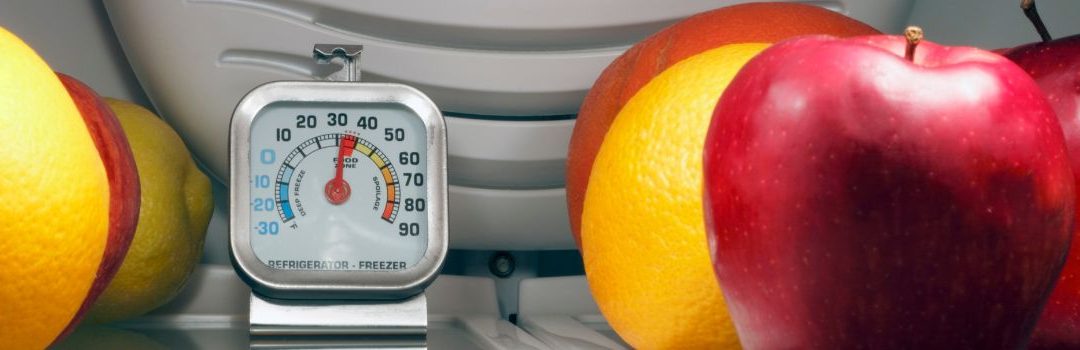
Why Your Whirlpool Refrigerator Temperature Keeps Fluctuating in Coquitlam
Maintaining a stable temperature in refrigerators is crucial for preserving the freshness and safety of food. When the temperature fluctuates, it can lead to spoilage, bacterial growth, and a decrease in the overall quality of stored items. For households in Coquitlam, Whirlpool refrigerators are a popular choice due to their reliability and advanced cooling technology, including trusted cooling repair across Coquitlam area when issues arise.
However, even the most trusted appliances can experience temperature inconsistencies. In Whirlpool refrigerators, such fluctuations can impact not only the safety of your food but also the efficiency and lifespan of the appliance. Understanding these effects is essential for homeowners to ensure their refrigerators function optimally and keep their food safe.
Basics of Refrigerator Temperature Control
How Whirlpool Refrigerators Regulate Temperature
Whirlpool refrigerators maintain the internal temperature through a series of cooling cycles controlled by the compressor. The compressor compresses refrigerant, which absorbs heat inside the fridge and releases it outside, thereby lowering the internal temperature. This cycle runs intermittently to keep the temperature within a set range.
Temperature sensors and thermostats play a crucial role in this process. They continually monitor the fridge’s internal temperature and signal the compressor to turn on or off based on the temperature settings. When the temperature rises above the set point, the compressor activates to cool the interior. Once the desired temperature is reached, the compressor shuts off, allowing the temperature to rise slightly before the cycle begins again.
Normal Temperature Fluctuations
It is normal for refrigerator temperatures to fluctuate during these cooling cycles. Typically, temperature swings of up to 10°F occur as the compressor cycles on and off. These fluctuations help maintain an average temperature that keeps food fresh without overcooling or freezing items unnecessarily.
Normal cycling involves gradual temperature changes within a predictable range. Problematic fluctuations, however, are characterized by rapid or extreme temperature swings that can compromise food safety and indicate potential issues with the cooling system or sensors. Understanding this difference is important when assessing whether a Whirlpool refrigerator is functioning correctly or requires service.
Common Causes of Temperature Fluctuations in Whirlpool Refrigerators
Sensor and Thermostat Issues
Temperature sensors play a critical role in maintaining the correct temperature inside your Whirlpool refrigerator. Dirty, damaged, or faulty temperature sensors can cause inaccurate readings, leading to temperature fluctuations. When sensors fail, the refrigerator may cool too much or too little as it struggles to maintain the set temperature. Additionally, thermostat malfunctions and errors on the control board can disrupt the cooling cycle and cause instability in temperature regulation. Some Whirlpool models display error codes that indicate sensor or fan motor failure, which can help diagnose the issue early and prevent further damage.
Door and Seal Problems
The condition of your refrigerator’s doors and seals significantly impacts temperature stability. Poor door insulation or worn door gaskets can allow cold air to escape, forcing the compressor to work harder and causing temperature swings. Even frequent or prolonged door openings let warm air in, disrupting the internal environment and making it difficult for the fridge to maintain consistent cooling. Ensuring that door seals are intact and minimizing door openings can help reduce these fluctuations.
Environmental and Usage Factors
External conditions and how the refrigerator is used also affect temperature consistency. In Coquitlam’s climate, ambient temperature changes can influence refrigerator performance, especially if the appliance is placed near heat sources or in direct sunlight. Inside the fridge, improper food placement can block airflow pathways, reducing cooling efficiency and causing uneven temperatures. Overloading the refrigerator limits air circulation, while underloading can cause the compressor to cycle more frequently, both leading to temperature variations.
Maintenance-Related Issues
Regular maintenance is essential to prevent temperature fluctuations. Dirty condenser coils reduce the refrigerator’s ability to dissipate heat, causing the compressor to overwork and leading to inconsistent cooling. Additionally, frost buildup inside the freezer compartment can block vents and restrict airflow, making it harder for the refrigerator to maintain stable temperatures. Routine cleaning of coils and timely defrosting are necessary to keep the cooling system functioning properly.
Diagnosing Temperature Fluctuation Problems
Monitoring Temperature Patterns
To effectively diagnose temperature fluctuations in your Whirlpool refrigerator, start by monitoring the internal temperature closely. Use reliable thermometers or smart sensors placed inside the fridge and freezer compartments to track temperature changes over time. This continuous monitoring helps you identify whether fluctuations follow a specific pattern, such as occurring during certain times of the day or after door openings. Recognizing these patterns can indicate whether the cause is mechanical, like a failing component, or user-related, such as frequent door openings or improper temperature settings.
Checking Appliance Components
After monitoring temperature patterns, inspect key appliance components that affect temperature stability:
- Temperature Sensors: Check and clean the sensors inside the refrigerator. Dust or debris can affect their accuracy, causing improper cooling cycles.
- Thermostat Functionality: Test the thermostat to ensure it properly regulates the cooling system. A malfunctioning thermostat can cause inconsistent temperatures.
- Door Seals and Hinges: Examine the door seals for cracks, gaps, or wear. Damaged seals or misaligned hinges allow cold air to escape and warm air to enter, leading to fluctuations.
- Condenser Coils: Verify that condenser coils are clean and free from dust or pet hair. Dirty coils reduce cooling efficiency and can cause the compressor to overwork, resulting in unstable temperatures.
Identifying Error Codes and When to Call a Technician
Modern Whirlpool refrigerators often display error codes that help diagnose issues related to temperature control. Common error codes related to temperature fluctuations might indicate sensor failures, compressor problems, or defrost system errors. Refer to your refrigerator’s manual for specific code meanings.
If you encounter persistent error codes or if temperature problems continue despite your troubleshooting efforts, it is advisable to contact a professional technician. Expert repair services in Coquitlam can accurately diagnose complex issues and perform necessary repairs to ensure your Whirlpool refrigerator operates reliably.
Effective Solutions and Maintenance Practices
Immediate Fixes
If your Whirlpool refrigerator’s temperature is fluctuating, start by checking the temperature sensors and thermostats. Cleaning or replacing these components can often resolve control issues and stabilize the internal temperature. Additionally, inspect the door gaskets; damaged or worn gaskets can cause cold air to escape, leading to temperature swings. Repairing or replacing faulty door seals ensures a proper airtight closure. Finally, verify that the temperature settings match the manufacturer’s recommended levels adjusting them can help maintain consistent cooling without overworking the appliance,
Optimizing Usage
Properly organizing the contents inside your refrigerator plays a key role in maintaining steady temperatures. Arrange food items to allow adequate airflow, avoiding overcrowding or blocking vents. This circulation helps cool air distribute evenly throughout the refrigerator. In addition, minimize the frequency and duration of door openings. Keeping the doors closed as much as possible prevents warm air from entering and causing temperature fluctuations.
Routine Maintenance
Regular maintenance is essential for your Whirlpool refrigerator’s efficiency and temperature stability. Clean the condenser coils periodically to remove dust and debris that can reduce cooling performance. Also, defrost the freezer when ice buildup occurs to prevent airflow obstruction. Inspect door seals and temperature sensors routinely to catch any early signs of wear or malfunction. Keeping these components in good condition helps avoid temperature control problems and extends the lifespan of your appliance.
Professional Repair and Service in Coquitlam
Sometimes, temperature fluctuations indicate more complex issues that require professional attention. If immediate fixes and maintenance do not resolve the problem, seek same-day Whirlpool refrigerator repair services in Coquitlam. Certified technicians have the expertise and tools to diagnose and fix advanced electrical or mechanical faults. Using professional repair services ensures your refrigerator is restored correctly and safely, preventing further damage and costly replacements.
Tips for Maintaining Optimal Refrigerator Performance in Coquitlam
Maintaining the optimal temperature in your Whirlpool refrigerator is essential for food safety and energy efficiency. Here are some practical tips tailored for Coquitlam residents to keep your appliance running smoothly.
Recommended Temperature Settings
Set your refrigerator compartment to around 3°C to 4°C (37°F to 39°F) and the freezer to -18°C (0°F). These temperatures help preserve food freshness and prevent bacterial growth without overworking your appliance.
Managing Ambient Temperature Challenges in Coquitlam
Coquitlam experiences moderate seasonal temperature changes, which can affect refrigerator performance. During warmer months, avoid placing your fridge near heat sources like ovens or direct sunlight. Ensure there is adequate ventilation around your refrigerator to help dissipate heat. In colder months, if your kitchen temperature drops significantly, consider using a refrigerator with a built-in heating element or placing the fridge in a warmer area to prevent temperature fluctuations.
Using Technology and Smart Monitoring Tools
Modern Whirlpool refrigerators often come with built-in digital thermostats and temperature alarms. Utilize these features to monitor internal temperatures consistently. Additionally, smart temperature monitoring devices can connect to your smartphone, alerting you to any significant temperature changes. These tools are valuable for early detection of issues, allowing timely adjustments to maintain optimal performance.
Conclusion
Whirlpool refrigerator temperature fluctuations in Coquitlam homes are commonly caused by factors such as faulty thermostats, worn door seals, blocked vents, and compressor issues. Addressing these issues promptly through troubleshooting steps like checking door seals, cleaning condenser coils, and inspecting temperature controls can restore stable cooling performance. Regular maintenance, including cleaning and timely repairs, plays a key role in preventing temperature inconsistencies.
By staying vigilant and performing routine upkeep, homeowners in Coquitlam can ensure their Whirlpool refrigerators maintain consistent temperatures. This not only preserves the freshness and safety of stored food but also extends the lifespan of the appliance. Proper care and prompt attention to any temperature fluctuations are essential for reliable refrigerator operation and overall household well-being.

LET’S CONNECT
OPEN HOURS
Mon-Fri: 8AM-6PM
Saturday: 10AM-6PM
Sunday: 10AM-6PM
QUICK LINKS:
LET’S CONNECT
(778) 600-1787
service@langleyappliancesrepair.ca
OPEN HOURS
Mon-Fri: 8AM-6PM
Saturday: 10AM-6PM
Sunday: 10AM-6PM
QUICK LINKS:
© 2025 Langley Appliances Repair All Rights Reserved | Privacy Policy | Sitemap