

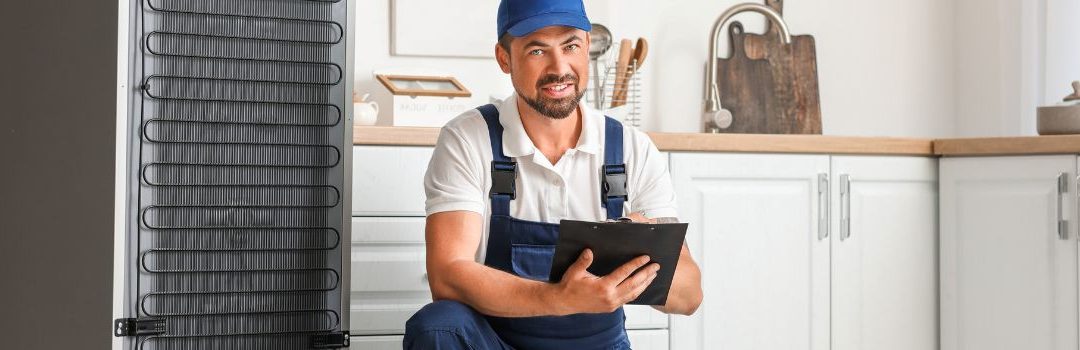
Keeping Cool: Whirlpool Fridge Maintenance Guide for Langley Technicians
Whirlpool refrigerators are a common choice for many homes and businesses in Langley due to their reliability, innovative features, and energy efficiency. These appliances play a crucial role in daily life, keeping food fresh and safe.
Regular maintenance of Whirlpool refrigerators is essential to ensure they operate at peak performance. Proper upkeep helps maintain energy efficiency, reduces the risk of breakdowns, and extends the appliance’s lifespan while also lowering the cost to repair if issues arise.
On average, Whirlpool refrigerators last between 12 to 15 years. However, the actual longevity depends significantly on how well the unit is maintained over time. Routine care and timely servicing can help maximize the lifespan and maintain optimal functionality throughout the years.
Understanding Whirlpool Refrigerator Models
In Langley, technicians frequently service several common Whirlpool refrigerator models, each designed to meet specific user needs. These models typically include French door refrigerators, side-by-side units, top freezer, and bottom freezer styles. Understanding the distinctions between these models is crucial for effective maintenance and repair.
Key technical specifications that technicians should be familiar with include the refrigerator’s capacity, energy consumption, cooling system type, and defrost mechanism. Many Whirlpool models feature adaptive defrost systems, humidity-controlled crispers, and advanced temperature management to optimize food preservation. For example, French door models often include dual evaporators to maintain separate cooling zones for fresh and frozen compartments.
To accurately diagnose and repair issues, technicians must access and interpret technical sheets and wiring diagrams. These documents provide detailed information about electrical circuits, component locations, and operational sequences. They are essential for troubleshooting problems such as compressor failure, defrost timer issues, or control board malfunctions.
By mastering the specifics of common Whirlpool refrigerator models and effectively utilizing technical documentation, Langley technicians can ensure precise and efficient maintenance.
Comprehensive Preventative Maintenance Tasks
Monthly Interior Cleaning
Regular interior cleaning of a Whirlpool fridge is essential to prevent odors, stains, and contamination. Spills and food debris left inside the fridge can quickly lead to unpleasant smells and bacterial growth. Technicians should advise clients to clean spills immediately and perform a thorough wipe-down of shelves, drawers, and walls at least once a month. Use mild, non-abrasive cleaning agents such as a solution of warm water and baking soda or a gentle dish soap. Avoid harsh chemicals that can damage interior surfaces or leave harmful residues. Always ensure the fridge is unplugged or the door is kept open during cleaning to prevent moisture buildup.
Bi-Annual Water Filter Replacement
Replacing the water filter every six months is crucial for maintaining the quality of ice and water dispensed by the fridge. A clean filter ensures contaminants are removed effectively, improving taste and preventing clogging that can reduce water flow. To replace the filter safely, first locate the filter housing, often inside the fridge compartment or at the base grille. Turn off the water supply if applicable, then twist the old filter counterclockwise to remove it. Insert the new filter by aligning it properly and twisting clockwise until it locks in place. Finally, run water through the dispenser for a few minutes to flush out any air or loose carbon particles.
Annual Condenser Coil Cleaning
Dirty condenser coils decrease a fridge’s cooling efficiency and increase energy consumption. Dust and debris on the coils cause the compressor to work harder, potentially leading to premature failure. Technicians should clean the coils once a year, typically located at the back or beneath the fridge. Use a coil brush or a vacuum cleaner with a brush attachment to gently remove dust buildup. Ensure the appliance is unplugged before cleaning to avoid electrical hazards. Keeping coils clean helps maintain optimal temperature control and extends the appliance’s lifespan.
Door Seal Inspections and Maintenance
Door seals play a vital role in maintaining the fridge’s internal temperature by preventing cold air from escaping. Technicians should inspect seals regularly for cracks, gaps, or signs of wear. Cleaning seals with warm, soapy water and a soft cloth removes dirt and restores flexibility. Avoid using harsh chemicals or abrasive tools that can damage the rubber. If the seal is cracked, torn, or no longer forms a tight seal, recommend a replacement to prevent energy loss and food spoilage. Properly maintained seals contribute significantly to overall fridge efficiency.
Additional Maintenance Considerations
Other important maintenance tasks include checking and cleaning drip pans and drain tubes, which can accumulate water and debris leading to unpleasant odors or blockages. Ensure these components are clear and dry. Additionally, verify that the fridge is level and that doors align correctly to ensure proper sealing and operation. Uneven positioning can cause doors to close improperly, affecting performance. Addressing these details helps maintain the Whirlpool fridge in peak condition and reduces the likelihood of breakdowns.
Troubleshooting Common Whirlpool Refrigerator Issues
Cooling and Temperature Problems
One of the most frequent issues technicians face with Whirlpool refrigerators is inadequate cooling or temperature fluctuations. To diagnose these problems, start by checking the thermostat settings to ensure they are correctly adjusted. A faulty thermostat can cause the compressor to cycle improperly. Next, evaluate the compressor’s performance; if it is not running or running excessively, it may indicate a malfunction or the need for replacement. Additionally, inspect door seals for any leaks that could allow warm air inside, affecting cooling efficiency. Regular cleaning of condenser coils is also essential, as dust buildup can impair cooling performance. For detailed troubleshooting steps, refer to Whirlpool’s official guide on refrigerator problems.
Ice Maker and Water Dispenser Malfunctions
Slow or no ice production is commonly caused by issues such as a clogged water filter, frozen water inlet valve, or problems with the ice maker assembly itself. Begin by checking and replacing the water filter if necessary. Ensure the water supply line is not kinked or blocked and verify that the water inlet valve is functioning correctly. For water dispenser leaks or blockages, inspect the dispenser nozzle and tubing for obstructions or damage. Leaks often result from cracked water lines or faulty seals, which should be repaired promptly to prevent water damage.
Excessive Motor Running and Noise Issues
Prolonged compressor activity can signify that the refrigerator is struggling to maintain the correct temperature, often due to poor door seals, dirty condenser coils, or an overstocked fridge restricting airflow. Unusual noises and vibrations may stem from loose components, a failing compressor, or the evaporator fan motor. Perform a thorough inspection to tighten any loose parts and test motor functions. Addressing these issues early can prevent more severe mechanical failures.
Error Codes and Diagnostics
Many Whirlpool refrigerator models feature error codes that assist in diagnosing problems quickly. Technicians should refer to the model-specific technical sheets to interpret these codes correctly. Common error codes can indicate issues with sensors, defrost systems, or communication errors within the control board. Utilizing these diagnostics tools streamlines troubleshooting and ensures accurate repairs.
Tools and Equipment for Langley Technicians
To effectively maintain and repair Whirlpool fridges, Langley technicians need a set of essential tools and equipment. These tools ensure accurate diagnostics, efficient repairs, and proper upkeep of the appliance.
Essential Tools for Maintenance and Repair
- Multimeter: For checking electrical components and ensuring circuits are functioning correctly.
- Screwdrivers and Nut Drivers: Various sizes for removing panels, brackets, and fasteners.
- Refrigeration Gauges: To measure pressure levels in the cooling system.
- Leak Detectors: To identify refrigerant leaks promptly.
- Vacuum Pump: For evacuating air and moisture from the refrigeration system during servicing.
- Thermometer: To verify temperature accuracy inside the fridge compartments.
Recommended Cleaning Supplies and Replacement Parts
- Non-abrasive Cleaners: Safe for cleaning the fridge interior without damaging surfaces.
- Fin Comb: To straighten bent condenser or evaporator coils for optimal airflow.
- Replacement Filters: Such as water filters compatible with Whirlpool models.
- Door Gaskets: To replace worn or damaged seals ensuring proper insulation.
- Defrost Heaters and Thermostats: Common replacement parts in Whirlpool fridges.
Safety Equipment and Best Practices
- Insulated Gloves: Protect against electrical shocks during repairs.
- Safety Glasses: To shield eyes from debris or refrigerant exposure.
- Proper Ventilation: Always work in well-ventilated areas to avoid inhaling refrigerant gases.
- Disconnect Power: Before performing any maintenance to prevent accidents.
- Follow Manufacturer Guidelines: Adhere strictly to Whirlpool’s maintenance protocols and safety instructions.
Having the right tools, supplies, and safety measures is crucial for Langley technicians to maintain Whirlpool fridges effectively and safely.
Partnering with Whirlpool W™ Service
The Whirlpool W™ Service program is designed to support authorized technicians by providing access to genuine parts and expert repair guidance. This program ensures that repairs meet Whirlpool’s high standards, helping maintain the reliability and performance of Whirlpool appliances. Technicians enrolled in the W™ Service program can order authentic parts directly, access detailed repair instructions, and receive technical support to handle complex issues efficiently.
For Langley technicians, leveraging the W™ Service program is particularly beneficial when dealing with intricate Whirlpool fridge repairs or warranty-related work. The program streamlines the process of obtaining the right components and troubleshooting support, reducing downtime and increasing customer satisfaction. By partnering with Whirlpool through this service, technicians can ensure that all repairs are performed to manufacturer specifications, which helps protect both the appliance warranty and the technician’s reputation.
Additionally, the W™ Service program offers scheduling tools that help Langley technicians manage service appointments more effectively. This leads to improved communication with customers and a smoother repair experience. The program’s customer service benefits include easy access to Whirlpool’s support resources, enabling technicians to provide timely updates and expert advice to their clients. Overall, utilizing the Whirlpool W™ Service program equips Langley technicians with the resources needed to deliver high-quality repairs and maintain strong customer relationships.
Best Practices for Longevity and Optimal Performance
Maintaining a Whirlpool fridge in top condition requires a combination of routine care, customer education, and performance monitoring. These best practices help extend the appliance’s lifespan and ensure it operates efficiently.
Scheduling Routine Maintenance and Inspections
Regular maintenance is essential to catch potential issues early and keep the fridge running smoothly. Technicians should schedule inspections at least once or twice a year, depending on usage and environment. During these visits, check the door seals for leaks, clean the condenser coils, and verify that the temperature settings are accurate. Routine maintenance prevents build-up of dust and debris, which can strain the compressor and reduce cooling efficiency.
Educating Customers on Ideal Usage and Care
Proper usage plays a significant role in the longevity of Whirlpool fridges. Technicians should inform customers about best practices such as avoiding overfilling the fridge, keeping the door closed as much as possible, and regularly cleaning the interior and exterior surfaces. Customers should also be advised to check and replace water filters if applicable, and to position the fridge away from heat sources like direct sunlight or ovens. Clear guidance empowers users to maintain optimal performance daily.
Monitoring Energy Consumption and Performance Indicators
Keeping an eye on energy usage helps identify any decline in fridge efficiency. Technicians can recommend or install energy monitoring tools to track consumption patterns. An unexpected increase in energy use may indicate issues such as a failing compressor, faulty seals, or blocked vents. Additionally, performance indicators like temperature consistency and ice maker function should be monitored regularly. Early detection of anomalies enables timely interventions, reducing repair costs and improving reliability.
Conclusion
Maintaining a Whirlpool fridge involves several critical steps, including regular cleaning of condenser coils, checking door seals for proper closure, monitoring temperature settings, and promptly addressing common issues like unusual noises or cooling problems. Troubleshooting techniques such as inspecting the evaporator fan, defrost system, and water filter can prevent minor faults from escalating into major repairs.
Technician expertise plays a vital role in extending the lifespan of Whirlpool refrigerators. Skilled maintenance and timely repairs not only enhance appliance performance but also boost customer satisfaction by reducing downtime and improving reliability.
Technicians are encouraged to utilize the wealth of available resources, including official Whirlpool manuals and authorized service channels, to ensure the highest quality of service. Leveraging these tools helps maintain consistent standards and supports effective problem-solving in the field.
This guide equips Langley technicians with comprehensive knowledge and practical steps for maintaining and repairing Whirlpool refrigerators, ensuring appliance reliability and customer trust.

LET’S CONNECT
OPEN HOURS
Mon-Fri: 8AM-6PM
Saturday: 10AM-6PM
Sunday: 10AM-6PM
QUICK LINKS:
LET’S CONNECT
(778) 600-1787
service@langleyappliancesrepair.ca
OPEN HOURS
Mon-Fri: 8AM-6PM
Saturday: 10AM-6PM
Sunday: 10AM-6PM
QUICK LINKS:
© 2025 Langley Appliances Repair All Rights Reserved | Privacy Policy | Sitemap