
Your Complete DIY Dryer Repair Guide for North Vancouver Homeowners
Maintaining dryers in North Vancouver homes is essential for ensuring efficient and reliable performance. Dryers are a key appliance in daily life, especially in this region where frequent rain and humidity can make air-drying clothes impractical. Proper upkeep not only extends the lifespan of the dryer but also helps prevent safety hazards such as lint fires.
In North Vancouver, the most commonly used dryers include electric, gas, ventless, and compact models. Dryer safety tips vary depending on the type, but all models require routine inspection and lint removal to avoid overheating and fire risks. Electric dryers are popular due to their ease of installation, while gas dryers are favored for their faster drying times and energy efficiency. Ventless dryers, which do not require external venting, are ideal for homes with limited space or ventilation options. Compact dryers serve well in smaller living spaces, providing functionality without taking up much room.
The climate in Vancouver, characterized by high humidity and frequent precipitation, significantly impacts dryer performance and maintenance needs. Moist air can cause longer drying cycles and increase the buildup of lint and moisture inside the appliance. This makes regular cleaning and inspection critical to maintaining optimal dryer function and preventing potential issues.
Understanding Your Dryer
Types of Dryers and Their Features
Dryers generally come in two main types: electric and gas. Electric dryers use electricity to power the heating element, while gas dryers use natural gas or propane to generate heat. Gas dryers often heat up faster and can be more energy-efficient but require proper ventilation and gas hookups.
There are also ventless and compact dryer models available. Ventless dryers, which include condenser and heat pump dryers, do not require external venting, making them ideal for homes without easy access to outside vents. Compact dryers are smaller in size, perfect for limited spaces, but they may have different repair needs due to their specialized components.
The type of dryer you have significantly influences both the repair process and the cost. For example, gas dryers may require more specialized repairs related to the gas line or ignition system, while electric dryers might have more common electrical or heating element issues. Ventless models can be more complex and costly to repair because of their advanced technology. Understanding your dryer’s type helps you anticipate potential problems and repair expenses.
Typical Lifespan of Dryers in North Vancouver
On average, dryers in North Vancouver last about 10 to 13 years. However, this lifespan varies based on several factors including frequency of use, maintenance habits, and local climate conditions.
Homes with high dryer usage might experience wear and tear sooner, shortening the appliance’s effective life. Additionally, North Vancouver’s coastal climate, which tends to be moist and cool, can affect dryer components, potentially leading to issues like rust or corrosion if the dryer is not properly maintained.
Regular maintenance and addressing repairs promptly can extend the lifespan of your dryer, helping you avoid premature replacement costs. Knowing these factors can guide you in making informed decisions about repair versus replacement.
Common Dryer Problems in North Vancouver Homes
Mechanical Issues
One of the frequent mechanical problems with dryers in North Vancouver is drum movement issues. The drum may stop spinning due to worn-out or broken components like the belt, which is essential for turning the drum. Over time, the dryer belt can experience wear and tear, leading to slipping or snapping, which prevents the drum from rotating properly. Additionally, noisy operation is a common complaint, often caused by worn bearings, rollers, or other internal parts that need inspection and replacement to restore quiet function.
Electrical Problems
Electrical failures also contribute to dryer malfunctions. Heating element failures are common, resulting in the dryer not producing heat and thus failing to dry clothes. Faulty thermostats and thermal fuses can cause similar issues by disrupting the heating cycle or causing the dryer to shut off prematurely. Control panel malfunctions can affect the ability to select cycles or start the dryer, often due to worn buttons, damaged wiring, or electronic component failures.
Vent and Airflow Issues
Proper ventilation is critical for dryer efficiency and safety. Lint build-up inside vents can cause blockages, reducing airflow and increasing drying times or even leading to overheating and fire hazards. In North Vancouver, the humid climate exacerbates ventilation issues, as moisture can accumulate in the ducts, making lint stickier and harder to clear. Regular cleaning of vents and ensuring proper airflow is especially important in this region to maintain dryer performance and safety.
DIY Troubleshooting and Repair Steps
Safety Precautions Before Repair
Before starting any dryer repair, always disconnect the power supply to avoid electrical shock. Unplug the dryer or turn off the circuit breaker dedicated to the dryer. Use proper tools such as screwdrivers, multimeters, and wrenches, and wear protective gear like gloves and safety glasses to prevent injuries.
Step-by-Step Diagnosis
Checking Power Supply and Settings
- Ensure the dryer is properly plugged in and the outlet is supplying power.
- Check that the circuit breaker has not tripped.
- Verify the dryer settings are correct for the load.
Inspecting Dryer Drum and Belts
- Open the dryer door and manually rotate the drum to feel for resistance or unusual noises.
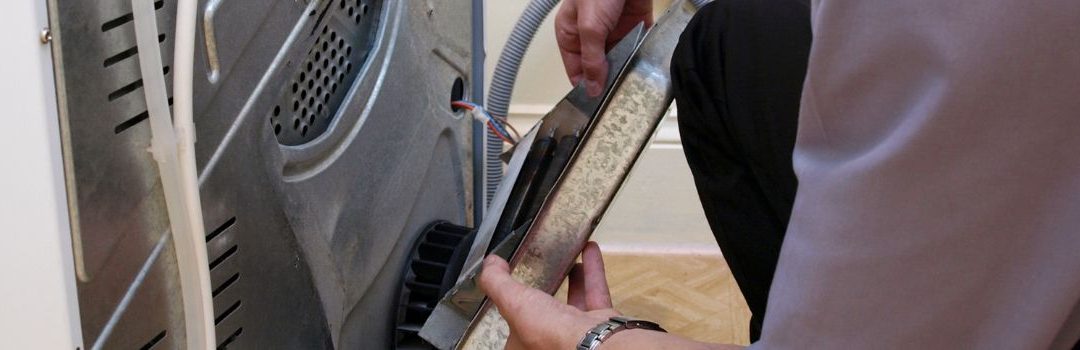
- Remove the dryer panel to access and inspect the drum belt for wear or breakage.
Testing Heating Elements and Thermostats
- Use a multimeter to test the heating element for continuity.
- Check thermostats and thermal fuses to ensure they are functioning properly.
Cleaning Vents and Lint Filters
- Remove and clean the lint filter to improve airflow.
- Inspect and clean the vent hose and exterior vent to prevent blockages that reduce dryer efficiency.
Common DIY Fixes
- Replacing Dryer Belts
If the belt is broken or worn, remove the old belt and install a new one, making sure it is properly aligned around the drum and motor pulley. - Cleaning Lint Traps and Vents
Regularly clean lint traps and vents to prevent overheating and fire hazards. Use a vacuum or vent cleaning brush to clear out lint buildup. - Resetting Thermal Fuses
Locate the thermal fuse and check for continuity. If it is blown, replace it with a new fuse to restore dryer operation. - Lubricating Drum Rollers
Apply appropriate lubricant to drum rollers to reduce noise and ensure smooth drum rotation.
Cost Analysis: Repair vs Replacement
Breakdown of Repair Costs
In North Vancouver, common dryer repairs typically range between $100 and $300, depending on the specific issue and parts required. For example, replacing heating elements, thermostats, or belts usually falls within this range. Labor costs can vary but generally run between $75 and $150 per hour. Parts pricing depends on the model and brand, but most replacement components are reasonably priced, contributing to a relatively affordable repair compared to full replacement.
Replacement Costs
Purchasing a new dryer in North Vancouver typically costs between $600 and $1,200, depending on features, capacity, and energy efficiency. Higher-end models or those with advanced technology can push the price toward the upper end of this range. Additionally, installation fees usually add $100 to $200, covering delivery, setup, and connection to existing hookups. Disposal or removal of the old unit may incur an extra cost, often around $50 to $100, depending on the service provider.
Hiring Professional Dryer Repair Services in North Vancouver
Benefits of Licensed and Certified Technicians
When you hire licensed and certified technicians for dryer repair in North Vancouver, you benefit from their expertise and focus on safety. These professionals are trained to diagnose and fix dryer issues efficiently while following safety protocols to prevent accidents. Additionally, many licensed technicians offer warranties and guarantees on their work, giving you peace of mind that the repair will last and be done correctly the first time.
What to Expect from Professional Service
Professional dryer repair services in North Vancouver often provide same-day and emergency repair options to ensure your appliance downtime is minimized. This quick response is crucial, especially during colder months when dryers are in high demand. You can also expect transparent pricing upfront, so there are no hidden fees or surprises. Many companies back their labor with a 90-day warranty, ensuring that if the problem recurs within that period, they will return to fix it at no additional cost.
How to Choose a Reliable Dryer Repair Service
Selecting a trustworthy dryer repair service involves checking their credentials and reading customer reviews to gauge past performance and reliability. Look for companies that provide clear service guarantees and have responsive customer support. This ensures you will have assistance if issues arise after the repair, making the entire process smoother and more dependable.
Conclusion
When it comes to dryer repair, homeowners in North Vancouver have two main options: tackling the issue themselves or hiring a professional. DIY repairs can save time and money for simple problems like lint buildup or replacing a belt. However, more complex issues involving electrical components or gas lines should be left to experienced technicians to ensure safety and proper function.
Regular, proactive maintenance is key to extending the life of your dryer and preventing costly repairs. Simple steps like cleaning the lint trap after every use, inspecting the vent hose for blockages, and scheduling periodic deep cleanings can keep your dryer running efficiently.
For those seeking further assistance, North Vancouver offers several resources including local repair services, hardware stores with knowledgeable staff, and online forums dedicated to appliance repair. Utilizing these resources can help you make informed decisions about when to repair yourself and when to call in a professional.

LET’S CONNECT
OPEN HOURS
Mon-Fri: 8AM-6PM
Saturday: 10AM-6PM
Sunday: 10AM-6PM
QUICK LINKS:
LET’S CONNECT
(778) 600-1787
service@langleyappliancesrepair.ca
OPEN HOURS
Mon-Fri: 8AM-6PM
Saturday: 10AM-6PM
Sunday: 10AM-6PM
QUICK LINKS:
© 2025 Langley Appliances Repair All Rights Reserved | Privacy Policy | Sitemap