
Understanding Lint Buildup Risks and Effective Cleaning Methods in Richmond
Lint buildup occurs when small fibers from clothing accumulate inside dryers and their vents during the drying process. These tiny fibers shed from fabrics and gradually collect in the lint trap, dryer drum, and more critically, within the venting system that directs hot air outside. Over time, this accumulation can become substantial if not regularly cleaned.
Addressing lint buildup is crucial both for safety and efficiency. Excessive lint in dryer vents poses a serious fire hazard because lint is highly flammable and can ignite from the dryer’s heat. Furthermore, blocked vents reduce airflow, causing the dryer to work harder and longer, which increases energy consumption and wear on the appliance. Regular cleaning and maintenance help prevent these risks, ensuring dryers operate safely and efficiently. Following a proper DIY repair guide can make this maintenance easier and more cost-effective.
What is Lint?
Lint is a collection of tiny fibers, dust, and debris that come off clothing during washing and drying. These fibers shed from fabrics like cotton, wool, and synthetic materials as clothes are tumbled and agitated. Over time, this loose material gathers to form lint.
In dryers, lint tends to accumulate in several key components. It primarily collects in the lint trap or lint screen, which is designed to catch these fibers before they enter the dryer’s vent system. However, lint can also build up inside the dryer drum, around seals, and within the vent ducts. This accumulation happens because the airflow inside the dryer carries the fibers away from the clothes but not entirely out of the system, causing lint to stick to surfaces and restrict airflow if not cleaned regularly.
Common Areas for Lint Accumulation
Lint buildup can occur in several key areas of a dryer system, each posing specific risks if not regularly cleaned.
Lint Screen and Lint Trap
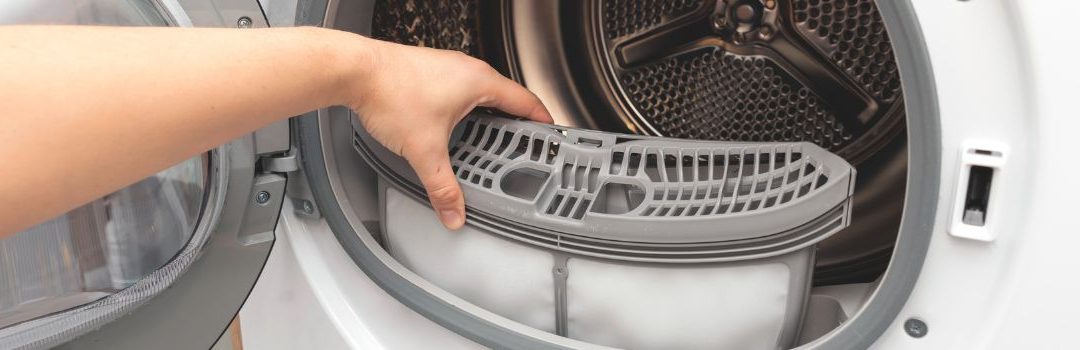
The lint screen, located inside the dryer door or on top of the dryer, is designed to catch lint from clothes during drying. Over time, lint accumulates on the screen and trap, reducing airflow and dryer efficiency. Failure to clean this area regularly can cause overheating and increase the risk of fire.
Dryer Vent Hose and Ductwork
Lint also collects inside the dryer vent hose and ductwork that carry hot air from the dryer to the outside. These areas are prone to significant lint buildup because the lint is forced out of the dryer and into the vent system. Blockages here can restrict airflow, causing the dryer to work harder, consume more energy, and potentially overheat.
Vent Outlet Outside the Home
The vent outlet on the exterior of the home is the final point where air and lint exit the dryer system. Lint can accumulate around the vent cover or inside the vent cap, which can obstruct airflow and cause moisture buildup inside the duct. This not only reduces dryer efficiency but can also lead to mold growth or increased fire hazards if lint is allowed to accumulate unchecked.
Fire Hazards
Lint accumulation in dryers is a significant fire risk primarily because it can cause the appliance to overheat. When lint builds up inside the dryer vent or filter, it restricts airflow, forcing the dryer to work harder and generate excess heat. This overheating can ignite the lint, leading to a dangerous dryer fire.
Lint itself is highly flammable, making it an ideal fuel source for fires. Inside the dryer, there are several ignition points, such as the heating element and motor, which can easily ignite the accumulated lint. Because lint is lightweight and fibrous, it can catch fire and spread quickly within the dryer and vent system.
Statistics indicate that dryer fires caused by lint buildup are a common household hazard. According to the U.S. Fire Administration, failure to clean dryer vents is one of the leading causes of home dryer fires, resulting in thousands of fires each year, causing injuries, fatalities, and significant property damage. This highlights the critical importance of regular lint removal and vent cleaning to prevent these potentially devastating fires.
Reduced Dryer Efficiency
Lint buildup in dryers significantly reduces airflow, which directly impacts drying times. When lint accumulates in the dryer vent or lint trap, it restricts the passage of air needed to effectively dry clothes. This causes clothes to take longer to dry, leading to inefficiencies in the drying process.
As drying cycles extend due to poor airflow, dryers consume more energy to complete each load. This increased energy consumption not only raises utility bills but also places unnecessary strain on the appliance. Over time, the extra work demanded from the dryer can accelerate mechanical wear, causing components to fail sooner than expected.
Additionally, lint buildup presents serious risks of overheating. The restricted airflow can cause the dryer to run hotter than normal, which may lead to damage of internal parts or even fire hazards. Regular cleaning is essential to avoid these risks and maintain the dryer’s efficiency and safety.
Health and Environmental Concerns
Lint buildup in dryer vents and ducts can lead to serious health and environmental issues. One major concern is the potential for mold growth. When lint accumulates, it can retain moisture, creating a damp environment inside the vents. This moisture retention encourages the growth of mold and mildew, which can spread spores throughout your home, affecting indoor air quality.
Additionally, clogged vents contribute to increased indoor air pollution. Lint particles, combined with mold spores and dust, can circulate in the air, aggravating allergies and respiratory conditions such as asthma. Poor ventilation caused by lint buildup also means that harmful gases, like carbon monoxide from gas dryers, may not be properly vented outside.
Addressing lint buildup promptly is crucial to maintaining a healthy living environment and reducing the risk of mold-related health problems and indoor air pollution.
Visual and Sensory Cues
Recognizing the signs of lint buildup in your dryer is crucial for maintaining safety and efficiency. One of the most alarming indicators is a burning smell during dryer operation. This odor often signals that lint has accumulated to the point where it is overheating and potentially igniting, posing a serious fire hazard.
Other sensory cues include longer drying times and clothes that remain damp even after a full cycle. These symptoms suggest that airflow is restricted due to lint blocking the vent, causing the dryer to work harder and less effectively.
You might also notice excessive heat or the dryer’s surface becoming unusually hot during use. This overheating results from poor ventilation and is another warning sign of lint buildup.
Finally, a visible accumulation of lint around the dryer vent exit is an obvious cue that cleaning is needed. Regularly inspecting this area can help prevent dangerous lint buildup and maintain dryer performance.
Performance Indicators
Identifying the signs of lint buildup in your dryer is crucial for maintaining its efficiency and safety. Two primary performance indicators suggest that your dryer may need cleaning or maintenance:
- Frequent Dryer Overheating or Automatic Shut-offs: When lint accumulates inside the dryer vents or lint trap, it restricts airflow. This can cause the dryer to overheat, triggering automatic shut-off features to prevent damage or fire hazards. If you notice your dryer shutting off unexpectedly during cycles, it’s a strong indicator of excessive lint buildup.
- Increased Utility Bills: Lint buildup forces your dryer to work harder and longer to dry clothes, which leads to higher energy consumption. A sudden or gradual increase in your utility bills without a corresponding change in usage can signal that your dryer is inefficient due to lint blockage.
Monitoring these performance indicators can help Richmond residents take timely action to clean their dryers and avoid potential risks associated with lint accumulation.
DIY Lint Cleaning Techniques
Regular cleaning of the lint screen after every use is essential to prevent lint buildup and maintain dryer efficiency. After each drying cycle, remove the lint screen and clear off any accumulated lint. This simple step can significantly reduce fire risks and improve air circulation within the dryer.
Beyond the surface cleaning, deep cleaning the lint screen slots is also important. Lint can get trapped in the tiny slots of the screen, so using a small brush to gently scrub these areas helps remove stubborn debris. This ensures that the screen remains effective in catching lint and does not restrict airflow.
Inspecting and cleaning the vent hose is another crucial step in DIY lint maintenance. Over time, lint can accumulate inside the vent hose, posing a fire hazard and reducing dryer efficiency. Using a vacuum cleaner with a hose attachment or specialized vent cleaning kits can help remove lint from the vent hose. Regular inspection and cleaning of this component help maintain proper ventilation and dryer performance.
Professional Dryer Vent Cleaning
Hiring certified technicians in Richmond for dryer vent cleaning offers several benefits. These professionals have the experience and training to effectively identify and remove lint buildup, which can be hidden deep within the vent system. Certified technicians ensure the cleaning process is thorough, reducing the risk of dryer fires and improving dryer efficiency.
It is recommended to have your dryer vent professionally cleaned at least once a year. Regular cleaning helps maintain proper airflow, prevents overheating, and extends the lifespan of the dryer. In homes where the dryer is used heavily or where pets shed frequently, more frequent cleanings may be necessary.
Professional cleaners use specialized tools designed to reach and remove deep lint buildup that standard household methods cannot access. These tools can include rotary brushes, high-powered vacuums, and inspection cameras to ensure the vent is completely clear. Utilizing these tools ensures a safer and more effective cleaning process, minimizing potential hazards associated with lint accumulation.
Preventative Measures
Proper maintenance and installation are key to preventing lint buildup in your dryer vent system. Ensuring your dryer is installed correctly with adequate venting helps maintain optimal airflow and reduces the risk of lint accumulation. Avoiding kinks or crushing in the vent hose is crucial, as these obstructions can trap lint and limit ventilation.
Whenever possible, use rigid or semi-rigid metal vent pipes instead of plastic ones. Metal pipes are more durable, less prone to damage, and better at preventing lint buildup. Additionally, scheduling routine inspections and maintenance with a professional service ensures that any potential issues are identified and addressed early, keeping your dryer vent system safe and efficient.
What to Look for in a Service Provider
When choosing a lint removal service in Richmond, it’s important to consider several key factors to ensure you receive reliable and effective cleaning.
Certification and Experience
A reputable service provider should have proper certifications and extensive experience in lint removal. Certifications demonstrate that the technicians are trained and knowledgeable about the latest safety standards and cleaning techniques. Experience ensures they can handle various dryer types and vent systems, reducing the risk of damage or incomplete cleaning.
Customer Reviews and Testimonials
Checking customer reviews and testimonials is a valuable way to gauge the quality of a service provider. Positive feedback from previous clients indicates professionalism, punctuality, and thoroughness. Look for consistent praise about the company’s attention to detail and customer service, as these are strong indicators of trustworthy service.
Transparent Pricing and Service Guarantees
A good lint removal service offers clear, upfront pricing without hidden fees. They should provide detailed quotes explaining what is included in the service. Additionally, service guarantees or warranties can give you peace of mind that the job will be done right. If issues arise after the cleaning, a company with guarantees will typically address them promptly and at no extra cost.
By focusing on certification, customer feedback, and transparent pricing, you can confidently select a lint removal service that meets your needs and helps reduce fire hazards associated with lint buildup.
Notable Richmond Cleaning Services and Resources
In Richmond, several companies specialize in dryer vent cleaning, offering professional services to reduce the risks associated with lint buildup. These local experts provide comprehensive cleaning packages designed to improve dryer efficiency, reduce fire hazards, and extend the lifespan of your appliance.
Choosing the Right Service Package
Most Richmond providers offer flexible service packages tailored to different needs—from one-time cleanings to regular maintenance plans. Regular maintenance packages often include inspections that help identify and prevent potential fire hazards caused by lint accumulation, ensuring your dryer operates safely and efficiently.
By utilizing these local services, Richmond residents can ensure thorough cleaning beyond typical DIY efforts, addressing hidden lint buildup that might otherwise be missed.

LET’S CONNECT
OPEN HOURS
Mon-Fri: 8AM-6PM
Saturday: 10AM-6PM
Sunday: 10AM-6PM
QUICK LINKS:
LET’S CONNECT
(778) 600-1787
service@langleyappliancesrepair.ca
OPEN HOURS
Mon-Fri: 8AM-6PM
Saturday: 10AM-6PM
Sunday: 10AM-6PM
QUICK LINKS:
© 2025 Langley Appliances Repair All Rights Reserved | Privacy Policy | Sitemap