

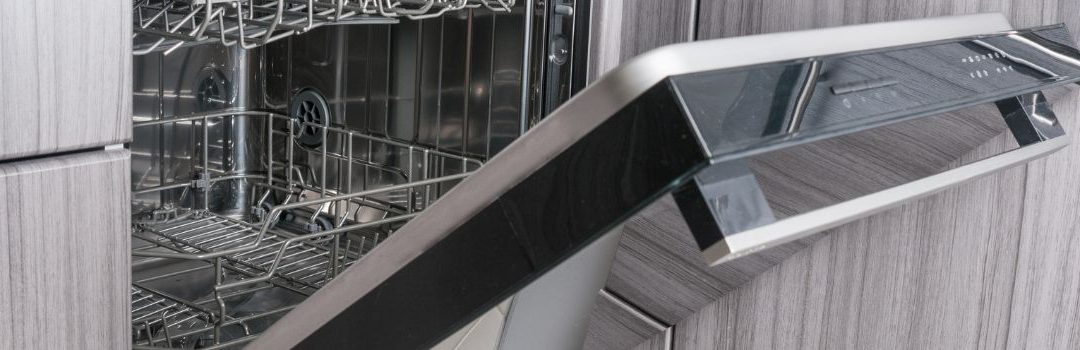
Tackling Leaky Dishwasher Doors Made Easy in Langley
A leaky dishwasher door may seem like a minor inconvenience, but addressing it promptly is crucial to prevent further damage. Step by step repair and timely action help avoid water damage to your kitchen floor, cabinets, and potentially costly electrical issues.
Common causes of dishwasher door leaks include worn-out door seals, clogged or damaged spray arms, and misaligned or broken door latches. These issues can lead to water escaping during operation, which not only disrupts the cleaning process but also risks damaging your home.
Opting for professional repair services in Langley, BC, offers several benefits. Experienced technicians can accurately diagnose the problem and provide efficient repairs that restore your dishwasher’s functionality.
Understanding Dishwasher Door Leaks
Leaky dishwasher doors are a common issue that can lead to water damage and inefficient appliance performance. Understanding the causes and signs of these leaks is essential for timely repairs.
Common Causes of Leaky Dishwasher Doors
- Damaged or worn door seals/gaskets: Over time, the rubber seals around the dishwasher door can deteriorate, crack, or become misshapen, allowing water to escape during cycles. Regular inspection and replacement of these seals can prevent leaks.
- Misaligned or faulty door latches: If the door latch is not securing the door properly, it can cause gaps where water can leak out. A misaligned or broken latch needs adjustment or replacement to ensure a tight seal.
- Broken or weak door springs: Door springs help maintain the correct tension when closing the dishwasher door. Broken or worn springs can prevent the door from closing firmly, leading to leaks.
- Clogged or faulty water inlet valves: Problems with water inlet valves can cause excess water or pressure issues, leading to leaks around the door area. Cleaning or replacing these valves can resolve the problem.
- Improper loading obstructing door closure: Placing large or oddly shaped items in the dishwasher can prevent the door from closing fully, allowing water to escape during wash cycles.
Signs That Indicate a Leaky Dishwasher Door
- Water pooling around the dishwasher base: Visible water accumulation near the appliance is a clear sign of a leak.
- Moisture inside the kitchen cabinet: Dampness or water stains inside the cabinet housing the dishwasher indicate leakage.
- Visible cracks or damage on door seals: Inspecting the door seals for any visible wear or cracks can reveal potential leak points.
- Dishwasher not running properly or error codes: Sometimes leaks can trigger error codes or cause the dishwasher to malfunction, signaling a need for inspection.
Recognizing these causes and signs early can help in addressing dishwasher door leaks efficiently and prevent further damage.
Step-by-Step Repair Guide
Diagnosing the Leak
Start by inspecting the door gasket and seals for any signs of damage, cracks, or wear. A compromised gasket is a common cause of leaks. Next, check the door latch to ensure it aligns properly and functions smoothly. Misalignment or a faulty latch can prevent the door from sealing correctly. Examine the door springs to verify they have appropriate tension and are not broken, as weak springs can cause the door to remain partially open during cycles. Finally, test the water inlet valves and hoses for leaks or blockages, since these components can also lead to water escaping.
DIY Repair Procedures
Replacing Door Seals and Gaskets
Tools and materials needed: replacement gasket, screwdriver, cleaning cloth.
Begin by carefully removing the old gasket from the dishwasher door to avoid damage to the frame. Clean the gasket channel thoroughly before installing the new gasket to ensure a tight seal. Press the new gasket firmly into place all around the door edge. Proper installation is critical to prevent future leaks.
Adjusting or Replacing Door Latches
Identify whether the latch is not catching, loose, or damaged. To realign, loosen the screws securing the latch, reposition it so the door closes tightly, and retighten the screws. If the latch is broken, remove it by unscrewing and replace it with a new component. Ensure the latch engages fully when the door closes.
Fixing Door Springs
Test the door spring tension by gently pulling the door open and closing it, noting if it stays open or closes too quickly. If the springs are weak or broken, disconnect the old springs carefully, then install new ones matching the original specifications. Proper spring tension ensures the door remains stable during operation.
Checking and Repairing Water Inlet Valves
Locate the water inlet valve, typically found near the bottom of the dishwasher. Inspect for leaks or mineral buildup. Cleaning may resolve minor clogs, but if the valve is faulty, replace it with a compatible part. This repair prevents water from leaking during fill cycles.
Preventative Maintenance Tips
Perform regular cleaning and inspection of door seals to prolong their life and maintain a watertight fit. Use proper loading techniques to avoid obstructing the door, which can strain seals and latches. Schedule periodic appliance maintenance to detect and address early signs of wear or malfunction. Following these practices helps prevent leaks and extends the dishwasher’s lifespan.
Choosing the Right Repair Service in Langley
When dealing with a leaky dishwasher door, selecting the right repair service in Langley is crucial to ensure a lasting fix. Several factors should guide your decision.
Experience: Look for repair services with extensive experience specifically in dishwasher repairs. Experienced technicians are more likely to accurately diagnose the problem and apply the correct solution without unnecessary delays.
Service Guarantees: A reputable repair company often offers guarantees on their work. This not only reflects their confidence in the quality of their service but also provides you with peace of mind in case the leak recurs.
Customer Reviews: Checking customer feedback can give valuable insights into the reliability and professionalism of a repair service. Look for consistently positive reviews regarding timeliness, effectiveness, and customer service.
When comparing local providers, consider both cost and reliability. Some services may offer lower prices but compromise on quality or warranty, while others might charge more for premium service and guaranteed results.
Additional Resources and Tutorials
For those looking to dive deeper into dishwasher door repairs, there are several detailed guides and videos available online. One reliable source is Sears PartsDirect, which offers step-by-step repair guides specifically for dishwashers. Their comprehensive tutorials cover various issues and solutions, helping you understand the repair process thoroughly.
In addition to official repair guides, community forums are invaluable for troubleshooting tips and real-world advice. These forums connect you with other homeowners and repair enthusiasts who share their experiences, solutions, and recommendations for fixing leaky dishwasher doors. Engaging with these communities can provide practical insights and alternative repair methods that might suit your specific situation better.
Conclusion
Repairing a leaky dishwasher door involves several key steps: identifying the source of the leak, inspecting the door gasket and latch, cleaning or replacing faulty components, and ensuring proper alignment of the door. Regular maintenance, such as cleaning the gasket and checking for wear, can prevent leaks from developing. Addressing issues promptly helps avoid water damage and extends the lifespan of your dishwasher.
While some repairs can be managed on your own, complex problems may require professional expertise. Utilizing experienced repair services ensures that the dishwasher is fixed correctly and safely, saving time and preventing further damage. Trusted providers near Langley, like Century Appliance Repair Langley and Langley Appliance Repairs, offer reliable support for these issues.

LET’S CONNECT
OPEN HOURS
Mon-Fri: 8AM-6PM
Saturday: 10AM-6PM
Sunday: 10AM-6PM
QUICK LINKS:
LET’S CONNECT
(778) 600-1787
service@langleyappliancesrepair.ca
OPEN HOURS
Mon-Fri: 8AM-6PM
Saturday: 10AM-6PM
Sunday: 10AM-6PM
QUICK LINKS:
© 2025 Langley Appliances Repair All Rights Reserved | Privacy Policy | Sitemap