

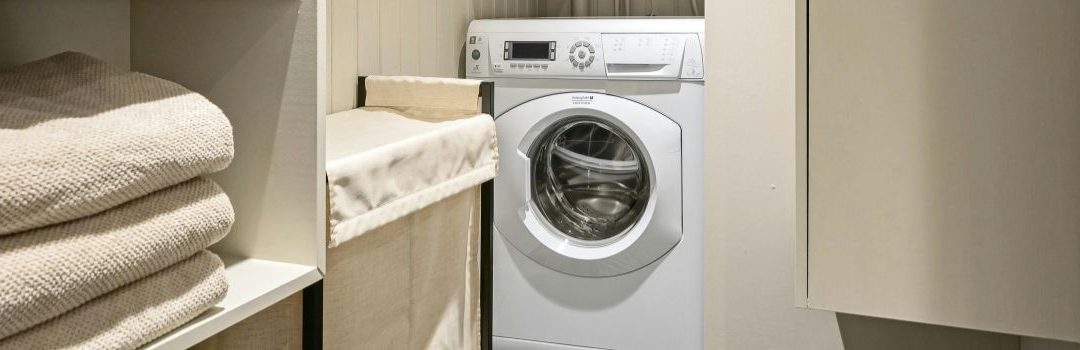
Installing a washer in a basement or a tight space comes with its own set of challenges and considerations. Limited room means careful planning is essential to ensure the washer fits properly without compromising accessibility or ventilation. Basements may also present issues like moisture, uneven flooring, and limited plumbing options that need to be addressed.
Essential Installation Requirements
Plumbing and Drainage Systems
Proper drainage is critical when setting up a washer in a basement or a tight space to prevent flooding and water damage. Installing reliable plumbing connections for both water supply and drainage ensures the washer operates efficiently without leaks or backups. It is also essential to comply with local plumbing codes, which may have specific requirements for basement installations to maintain safety and functionality.
Power Supply and Electrical Considerations
Washers have specific power supply needs depending on the model. It is important to assess these requirements beforehand. Correct electrical wiring, including grounded outlets, is necessary to ensure user safety and prevent electrical hazards. Using dedicated circuits for the washer helps avoid overloads that could trip breakers or cause damage to the appliance.
Ventilation and Moisture Control
Adequate ventilation is vital in enclosed basement spaces where washers are installed. Without proper airflow, basements can develop mold and musty odors that affect both the laundry area and the rest of the home. Incorporating moisture control measures such as dehumidifiers and vapor barriers helps minimize humidity levels. Additionally, waterproofing the basement protects against dampness and potential structural damage, ensuring a safe and durable laundry setup.
Space Planning and Layout Optimization
Understanding Washer Dimensions and Clearances
When setting up a washer in a basement or tight space, knowing the exact dimensions and clearance needs of your washer is crucial. Top-load washers generally require more vertical space because the lid opens upwards, so you need to ensure there is enough clearance above the unit. Front-load washers, on the other hand, open from the front, which means you need to account for space in front of the unit for the door to swing open fully.
Clearances are important not only for installation but also for ventilation and maintenance. Typically, washers need some space on the sides and at the back to allow for proper airflow and easy access to hoses and electrical connections. Without adequate clearance, the washer can overheat or be difficult to service. Planning for these clearances prevents damage and extends the life of your appliance.
Innovative Solutions for Tight Spaces
Maximizing laundry functionality in limited basement areas calls for smart design choices. One popular strategy is vertical stacking of the washer and dryer units. This approach significantly reduces the floor space needed, making it ideal for narrow or confined laundry rooms.
Another space-saving idea is installing fold-down or pull-out folding stations. These can be tucked away when not in use, freeing up room and providing a convenient surface for sorting and folding clothes.
Additionally, consider creating multi-functional spaces. Combining the laundry area with a mudroom, for example, allows you to integrate storage and seating, making the most of the basement’s footprint. Such combos enhance usability without requiring extra square footage.
Specific Considerations for Basements
Addressing Basements’ Unique Environmental Factors
Basements often have higher humidity levels and are prone to condensation, which can affect washer performance and longevity. Managing this moisture is crucial to prevent mold growth and damage. Using a dehumidifier or ensuring proper ventilation can help control humidity. Additionally, waterproofing strategies such as sealing walls and floors, and installing vapor barriers, are essential to prevent seepage and water intrusion that could damage the washer and surrounding areas.
Structural and Accessibility Factors
It’s important to ensure that basement flooring is stable and level to support the weight and operation of a washer. Uneven or unstable floors can cause excessive vibration, leading to noise and possible damage. Planning for easy access to plumbing, electrical outlets, and ventilation is also key. This facilitates installation, maintenance, and future repairs without the need for costly or disruptive work.
Safety and Maintenance
Installing sump pumps or dedicated drainage systems in basements can mitigate the risk of flooding, protecting the washer and the basement itself. Regular inspection and maintenance are vital to detect leaks, electrical issues, or any signs of wear early on. This proactive approach helps maintain the safety and efficiency of your washer setup.
Step-by-Step Installation Process
Pre-Installation Preparation
Begin by measuring the dimensions of your basement or tight space to ensure the washer will fit comfortably. Verify that all necessary utility connections, including water supply lines, drainage, and electrical outlets, are accessible and meet the requirements of your selected washer. Choose a washer model that suits both the space constraints and your functional needs, considering factors such as size, capacity, and energy efficiency.
Installing Plumbing and Drainage
Connect the water supply lines to the washer, making sure all fittings are secure and leak-proof. It is crucial to use quality connectors and tighten them properly to prevent water damage. Next, set up the drainage system by installing a drain pipe with an appropriate slope to allow water to flow freely. Include a P-trap in the drainage setup to prevent sewer gases from entering the basement or laundry area.
Electrical Setup
Install a dedicated electrical circuit and outlet specifically for the washer to comply with local electrical codes and safety standards. This reduces the risk of overloading existing circuits. Ensure the outlet is properly grounded and positioned close enough to the washer for easy connection. After installation, test the power supply to confirm that the washer receives consistent and safe electrical current.
Final Positioning and Testing
Carefully place the washer in its designated spot, making sure it is secure and stable. Use a level to adjust the feet of the washer to prevent vibrations and movement during operation. Finally, run an initial test cycle to check for any leaks, unusual vibrations, or drainage issues. Address any problems immediately to ensure long-term performance and safety.
Maintenance Tips for Longevity and Efficiency
To ensure your washer setup in basements and tight spaces in Langley remains efficient and lasts longer, regular maintenance is essential. Start by regularly cleaning the filters and drains to prevent clogs that can affect performance and cause water backups. Check hoses and connections frequently for any signs of wear, cracks, or leaks, as these can lead to water damage if left unaddressed.
Because basements and tight spaces often have higher humidity, monitor your washer area for signs of mold or moisture buildup. Address any moisture issues promptly to avoid damage to your washer and surrounding areas. Finally, schedule periodic professional inspections to catch potential problems early and keep your washer running smoothly over time.
Conclusion
Setting up a washer in basements and tight spaces requires thoughtful planning, proper installation, and ongoing maintenance to ensure efficient operation and longevity. Taking the time to carefully evaluate space constraints, ventilation, and plumbing needs can prevent common issues and improve overall functionality. Homeowners in Langley can benefit greatly from expert guidance and local resources, which provide tailored solutions suited to the specific challenges of these environments. By prioritizing these factors, you can create a reliable and effective laundry setup that meets your needs without compromising your space.

LET’S CONNECT
OPEN HOURS
Mon-Fri: 8AM-6PM
Saturday: 10AM-6PM
Sunday: 10AM-6PM
QUICK LINKS:
LET’S CONNECT
(778) 600-1787
service@langleyappliancesrepair.ca
OPEN HOURS
Mon-Fri: 8AM-6PM
Saturday: 10AM-6PM
Sunday: 10AM-6PM
QUICK LINKS:
© 2025 Langley Appliances Repair All Rights Reserved | Privacy Policy | Sitemap