

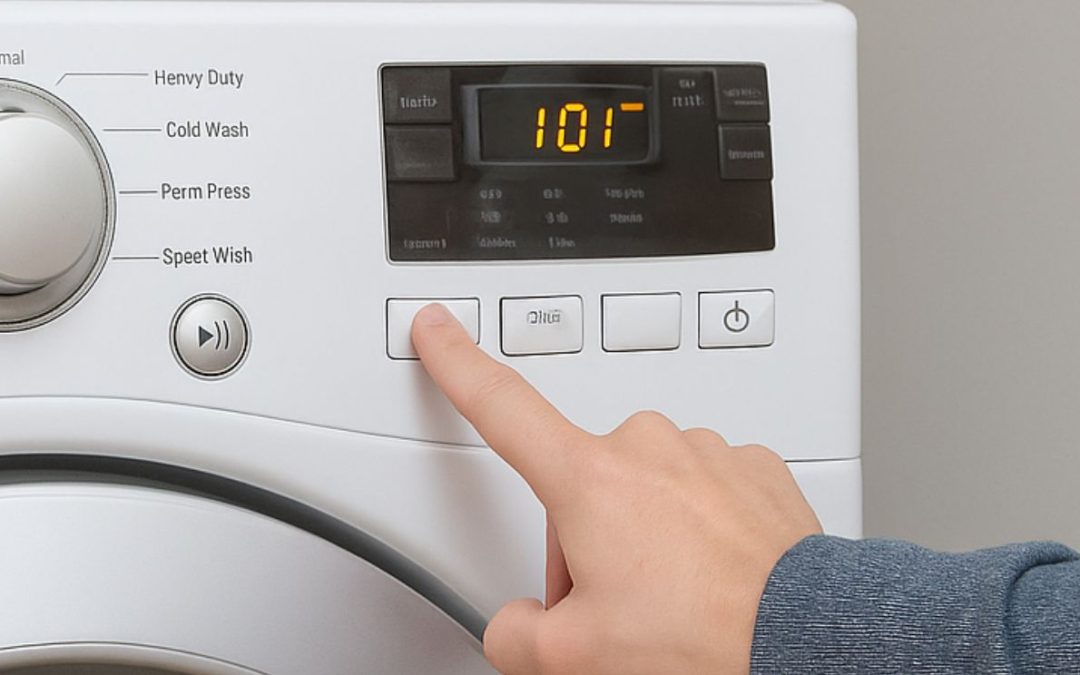
Langley’s Step-by-Step Guide to Resetting Front-Load Washers
Front load washers have become increasingly popular in households due to their energy efficiency, gentle cleaning action, and sleek design. Unlike top load washers, front load models use a horizontal drum that rotates to clean clothes, which helps save water and detergent while providing excellent washing results.
Proper resetting techniques are essential for maintaining the functionality of front load washers. Resetting can help resolve minor issues, clear error codes, and restore the machine to normal operation without the need for professional repairs. Knowing how to reset your washer correctly, as well as servicing old washing machine, can extend its lifespan and prevent unnecessary downtime.
Common scenarios when resetting a front load washer is required include power interruptions, error messages on the display, unresponsive controls, or when the washer gets stuck mid-cycle. Resetting helps to recalibrate the system and clear temporary glitches, ensuring the washer performs optimally.
Understanding Front Load Washers
How Front Load Washers Work
Front load washers operate using a horizontal drum that rotates on a horizontal axis. Clothes tumble through a small amount of water, which is more efficient in water and energy use compared to top load washers. The basic mechanics involve the drum spinning and tumbling clothes, while sensors and electronic controls manage water levels, temperature, and cycle timing.
Electronics play a significant role in front load washers. A control board processes inputs from various sensors, adjusts the motor speed, and controls valves for water intake and drainage. This advanced system allows for precise washing cycles and better fabric care.
In contrast to top load washers, which use an agitator or impeller to move clothes through water, front load washers rely on gravity and drum rotation. This difference results in less wear and tear on clothing and typically quieter operation.
Common Issues Requiring a Reset
Front load washers may occasionally encounter problems that necessitate a reset. Common issues include:
- Error codes: The washer’s control panel may display specific error codes indicating problems such as door lock failure, water supply issues, or sensor malfunctions.
- Unresponsive controls: Sometimes the control panel may freeze or fail to respond to inputs, requiring a system reset.
- Cycle interruptions: Wash cycles can stop unexpectedly due to power fluctuations, door issues, or internal faults.
- Drainage problems: Water not draining properly can cause the washer to pause or error out, often needing a reset after clearing the blockage.
Understanding these issues helps in diagnosing when a reset is necessary to restore normal operation.
Comprehensive Steps to Reset Your Front Load Washer
Step 1: Safely Stop the Current Cycle
Before attempting a reset, it is important to properly pause or cancel the current wash cycle. Most front load washers have a pause or stop button that allows you to safely halt the machine without causing damage. Avoid unplugging or forcefully turning off the washer while it is mid-cycle, as this can lead to mechanical issues.
Step 2: Power Down the Washer
Once the cycle has stopped, unplug the washer from the power outlet. Disconnecting power is crucial to clear any residual electricity stored in the machine’s internal components. This step helps to reset the control board and other electronic systems.
Step 3: Wait Before Restarting
After unplugging, wait for about 5 minutes before powering the washer back on. This waiting period allows the internal systems to discharge completely and ensures that the reset process is effective. Skipping this step might result in an incomplete reset.
Step 4: Power the Washer Back On
Plug the washer back into the electrical outlet. Turn the machine on and select a new cycle to initiate the wash. This fresh start will confirm whether the reset has cleared any previous errors.
Step 5: Perform Brand-Specific Reset Procedures (If Applicable)
Some washer brands require specific button combinations or sequences to complete a reset. For example, Samsung, Whirlpool, GE, and Maytag washers often have unique reset procedures that can be found in their manuals or reliable repair resources. Following these brand-specific steps can be essential to fully reset your machine.
Step 6: Test the Washer
Finally, run a short wash cycle to verify that the washer is functioning correctly after the reset. This test cycle helps ensure that any errors have been cleared and the machine is operating as expected.
Preventative Maintenance to Reduce the Need for Resets
Cleaning and Maintenance Tips
Regular cleaning and maintenance of your front load washer can significantly reduce the frequency of resets and improve overall performance. Start by cleaning the gasket and door seal regularly to prevent mold, mildew, and debris buildup that can affect the washer’s operation. This simple step helps maintain a proper seal and prevents leaks.
Next, check and clean the drain pump filter often. A clogged filter can cause drainage issues, triggering error codes that may require a reset. Removing lint, coins, or other small objects from the filter keeps your washer draining efficiently.
Inspect the hoses connected to your washer for signs of wear, cracks, or blockages. Damaged or clogged hoses can lead to water flow problems and operational errors. Replacing or cleaning hoses as needed ensures smooth water intake and drainage.
Loading Best Practices
How you load your front load washer plays a crucial role in its performance and longevity. Always load clothes evenly to avoid unbalanced cycles, which can cause the machine to stop and require a reset. An unbalanced load puts extra strain on the drum and motor.
Avoid overloading the washer, as stuffing too many clothes inside restricts movement and can lead to poor washing results and mechanical issues. Follow the manufacturer’s capacity guidelines to keep the machine running smoothly.
Regular Maintenance Schedule
Establishing a routine for cleaning and inspections helps catch potential problems before they cause errors or damage. Aim to clean the gasket, door seal, and drain pump filter every 1-3 months depending on usage frequency. Inspect hoses every 6 months to ensure they remain in good condition.
By adhering to these preventative maintenance steps and best practices, you can minimize the need for frequent resets and extend the life of your front load washer.
Troubleshooting Beyond Resetting
When Resetting Does Not Work
If resetting your front load washer does not resolve the issue, the next step is to identify any persistent error codes displayed on the machine. These codes can provide specific information about what is malfunctioning. Consult your washer’s manual or the manufacturer’s website to decode the error messages and understand the underlying problem.
Beyond error codes, it is important to check for mechanical issues that could be causing the problem. Common mechanical problems include a clogged drain pump, a faulty door lock, or issues with the motor or belts. Inspect these components carefully for any signs of damage or wear, and clean or replace parts as needed.
Safety Precautions
When resetting a front load washer, it is crucial to prioritize safety to prevent accidents and damage. First, avoid electrical hazards by always unplugging the washer from the power outlet before starting the reset process. This prevents the risk of electric shock or short circuits.
Additionally, handle washer components carefully. Many parts inside the washer are delicate and can be easily damaged if not treated gently. Use appropriate tools if needed and avoid forcing any components. Taking these precautions helps ensure a safe and effective reset of your front load washer.
Conclusion
Resetting your front load washer is a straightforward process that typically involves unplugging the machine, waiting for a brief period, and then restarting it. This simple step can often resolve common errors and glitches, restoring your washer to normal operation without the need for complex repairs. However, to keep your machine running smoothly over time, regular maintenance is essential. This includes cleaning the drum, checking seals, and avoiding overloading to prevent wear and tear.
Always consult your washer’s brand manual for specific resetting instructions tailored to your model, as procedures can vary. When in doubt, or if problems persist, seeking professional service is the safest way to protect your appliance and ensure its longevity. Proper care combined with informed troubleshooting will help you get the most out of your front load washer.

LET’S CONNECT
OPEN HOURS
Mon-Fri: 8AM-6PM
Saturday: 10AM-6PM
Sunday: 10AM-6PM
QUICK LINKS:
LET’S CONNECT
(778) 600-1787
service@langleyappliancesrepair.ca
OPEN HOURS
Mon-Fri: 8AM-6PM
Saturday: 10AM-6PM
Sunday: 10AM-6PM
QUICK LINKS:
© 2025 Langley Appliances Repair All Rights Reserved | Privacy Policy | Sitemap