

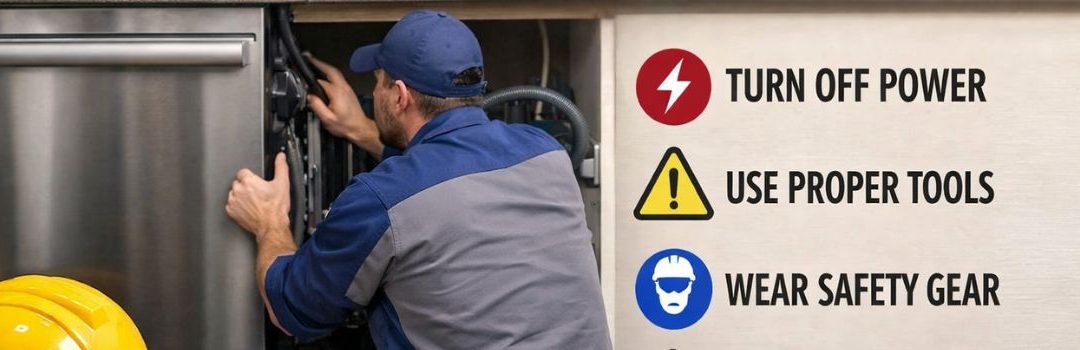
Ensuring the safe installation of a dishwasher is crucial to protect your home and family from potential hazards. Improper installation can lead to serious risks such as electrical shocks, water leaks, and damage to the appliance itself. Electrical hazards may arise from faulty wiring or incorrect grounding, while plumbing issues like leaks or blockages can cause water damage and mold growth. Additionally, an incorrectly installed dishwasher might not function properly, reducing its lifespan and efficiency during or after a dishwasher installation upgrade.
For residents of Langley, following proper installation practices is especially important to comply with local building codes and safety regulations. Adhering to these standards not only ensures the safety of your household but also helps avoid costly repairs and potential penalties. Understanding and addressing the risks associated with dishwasher installation can provide peace of mind and maintain the integrity of your home.
Understanding Professional Installation
Why Professional Installation Matters
Professional installation of dishwashers is crucial to ensure the appliance is set up safely and correctly. One of the primary benefits is compliance with national and local electrical and plumbing codes. These codes are designed to ensure installations are safe and efficient, and following them helps avoid potential hazards and code violations.
Electrical hazards are a significant risk when installing dishwashers. Involving qualified electricians ensures that wiring and connections are handled safely, reducing the risk of shocks, shorts, or fires. The City of Langley Electrical Safety Tips provide guidance on the importance of professional electrical work.
Additionally, professional installation helps protect the dishwasher’s warranty. Many manufacturers require certified installation to maintain coverage, which also helps reduce potential repair costs down the line by preventing improper setup.
Selecting a Qualified Installer in Langley
When choosing a professional for your dishwasher installation in Langley, it’s important to verify their certifications and licenses. This ensures they are authorized to perform electrical and plumbing work and understand the relevant codes.
Experience with dishwasher installations specifically is another key factor. An installer familiar with the appliance type and common installation challenges will be more efficient and thorough.
Lastly, understanding local Langley regulations related to electrical and plumbing work is critical. A qualified installer will be knowledgeable about these rules and ensure your dishwasher installation complies fully with local standards.
Pre-Installation Safety Preparations
Assessing the Installation Site
Before installing your dishwasher, it’s crucial to properly assess the installation site. Positioning the dishwasher correctly helps prevent potential water damage and ensures adequate ventilation, which is essential for the appliance’s efficient operation and longevity. According to the Repairmen’s Safe Appliance Installation Guide, placing the dishwasher too close to walls or cabinets without enough clearance can lead to moisture buildup and damage over time.
Additionally, carefully check the existing plumbing and electrical connections. The water supply line, drain hose, and power outlet must be compatible with the dishwasher’s requirements. Incompatible connections can cause leaks, electrical hazards, or appliance malfunction.
Tools and Equipment Safety
Using the right tools and protective gear is vital for a safe installation process. Ensure you have tools like wrenches, screwdrivers, and pliers that are in good condition. Wearing gloves and safety glasses can protect you from sharp edges and debris.
Avoid attempting any DIY electrical connections unless you have proper expertise. Incorrect wiring can pose serious safety risks, including electrical shocks and fire hazards. When in doubt, consult a licensed electrician to handle electrical work safely.
Step-by-Step Safe Installation Process
Electrical Installation Considerations
When installing a dishwasher, ensure that the electrical setup is safe and compliant with local standards. Use dedicated circuits and grounded outlets specifically designed for the dishwasher to prevent electrical overloads and hazards. All wiring must meet Langley electrical codes, which are in place to ensure safety and reliability. For this reason, it is highly recommended to hire licensed electricians for any electrical work involved in the installation process. Doing so helps avoid potential risks and ensures the installation adheres to local regulations.
Plumbing Installation Guidelines
Proper plumbing connections are crucial to avoid leaks and water damage. Carefully connect the water supply lines and drain hoses, making sure they are secure and free of kinks or blockages. Check that the water pressure and flow are within the recommended range for your dishwasher model, as incorrect pressure can impact performance or cause damage. Inspect all connections thoroughly to confirm they are watertight.
Appliance Handling and Positioning
Handle the dishwasher carefully during installation to prevent any physical damage. Follow safe appliance handling practices to avoid dents, scratches, or internal component issues. Once positioned, level the dishwasher properly. A level appliance ensures optimal performance, reduces noise, and prevents water from pooling or leaking. Use a spirit level and adjust the feet as needed to achieve a balanced setup.
Post-Installation Safety Checks
Testing and Inspection
After installing your dishwasher, it’s crucial to conduct thorough testing and inspection to ensure safety and proper operation. Begin by verifying that all water and drain connections are secure and free of leaks. Any moisture around these areas can indicate a potential problem that needs addressing before use.
Next, run the dishwasher through an initial cycle without any dishes inside. This helps confirm that the appliance is functioning correctly and allows you to detect any unusual noises, leaks, or drainage issues early on. Additionally, check the electrical setup by observing that no breakers trip during operation and that there are no signs of electrical faults such as sparks or burning smells.
Common Installation Hazards and How to Avoid Them
Electrical Hazards
One of the major risks during dishwasher installation is electrical hazards, particularly from improper grounding and faulty wiring. These issues can lead to electrical shocks or even fires if not addressed correctly. It is crucial to adhere to Langley’s electrical safety standards to ensure a safe installation. Always verify that the dishwasher is properly grounded and that all wiring connections are secure and compliant with local codes.
Water Damage and Leak Prevention
Water damage is another common hazard associated with dishwasher installation. To avoid leaks, make sure all water connections are tight and the drainage system is properly set up. Use appropriate sealing materials and check hoses for any signs of wear or damage before installation. After installing the dishwasher, conduct regular inspections to catch any leaks early and prevent water damage to cabinetry or flooring.
Structural and Appliance Damage
Incorrect handling during installation can cause dents, scratches, or other damage to the dishwasher and surrounding structures. Use proper techniques when moving and positioning the appliance to avoid these issues. Following recommended handling procedures helps maintain the appliance’s appearance and function.
Maintenance and Safety Tips Post-Installation
Proper maintenance after installing your dishwasher is essential to ensure its safe and efficient operation. Start by regularly checking the hoses and connections for any signs of wear, leaks, or damage. These components are critical in preventing water leaks that could lead to flooding or electrical hazards.
Cleaning filters and drains frequently helps prevent clogs that can disrupt the dishwasher’s performance and cause water to back up. Removing trapped food particles and debris from these areas ensures smooth water flow and extends the appliance’s lifespan.
Additionally, scheduling professional inspections periodically is a smart step to maintain safety. A qualified technician can identify potential issues that might not be obvious, such as hidden leaks, faulty wiring, or worn parts. Regular inspections help address problems early, keeping your dishwasher running safely and efficiently over time.
Resources for Langley Residents
Local Regulations and Support
When installing a dishwasher in Langley, it’s important to follow the city’s electrical and plumbing guidelines to ensure safety and compliance. The City of Langley provides detailed information on electrical safety tips which are essential for any installation work involving electrical connections.
Professional Installation Services
For a safe and reliable dishwasher installation, consider hiring licensed electricians and plumbers in the Langley area. Professional installers are familiar with local codes and standards, ensuring that your dishwasher is installed correctly and safely. Using local experts also helps to avoid potential hazards related to improper installation.
Conclusion
Proper dishwasher installation in Langley is crucial for ensuring safety, protecting your home, and maintaining the appliance’s longevity. Hiring a professional who understands and follows local codes and regulations guarantees that the installation is done correctly and safely. Prioritizing safety not only prevents potential hazards such as water damage and electrical issues but also extends the life of your dishwasher.
Remember, never use the dishwasher before the installation is fully complete and inspected. Premature use can lead to malfunctions or safety risks. By adhering to these guidelines, you can enjoy the convenience of your dishwasher with peace of mind.

LET’S CONNECT
OPEN HOURS
Mon-Fri: 8AM-6PM
Saturday: 10AM-6PM
Sunday: 10AM-6PM
QUICK LINKS:
LET’S CONNECT
(778) 600-1787
service@langleyappliancesrepair.ca
OPEN HOURS
Mon-Fri: 8AM-6PM
Saturday: 10AM-6PM
Sunday: 10AM-6PM
QUICK LINKS:
© 2025 Langley Appliances Repair All Rights Reserved | Privacy Policy | Sitemap