

Understanding Hard Water and Its Effects on Dishwashers
What is Hard Water?
Hard water is water that contains a high concentration of dissolved minerals, primarily calcium and magnesium. These minerals enter the water supply naturally as it passes through soil and rock formations. While hard water is generally safe to use, the mineral content can cause various problems in household appliances, including dishwashers.
How Hard Water Affects Your Dishwasher
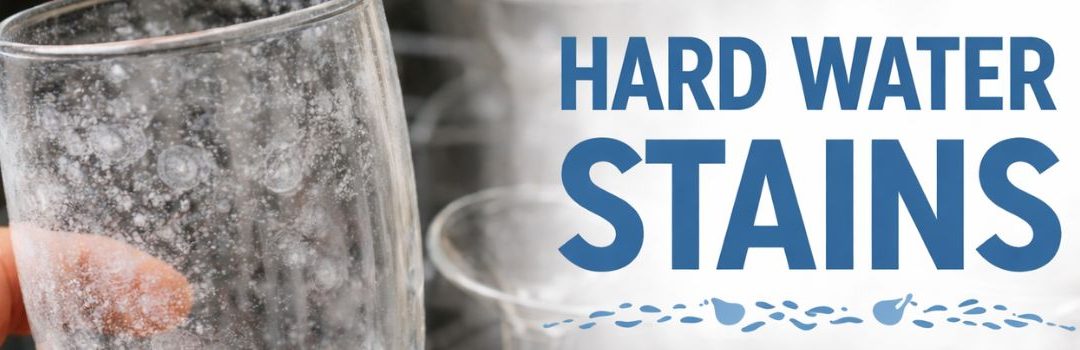
Hard water leads to the formation of hard water stains and spots inside your dishwasher. When water evaporates during the drying cycle, the minerals are left behind, creating white or cloudy deposits on dishes, glassware, and the interior surfaces of the appliance. Over time, these deposits can build up and affect the dishwasher’s performance by clogging spray nozzles and reducing water flow – another example of common dishwasher issues caused by hard water.
Additionally, the mineral buildup can shorten the lifespan of your dishwasher by causing wear and corrosion on components. Visually, hard water stains appear as chalky white spots or a filmy residue on the dishwasher walls, racks, and heating elements, signaling the need for cleaning and maintenance.
Identifying Hard Water Stains in Dishwashers
Common Areas Affected
Hard water stains typically appear on the interior walls and racks of the dishwasher. These areas often develop a chalky white or cloudy buildup that can be difficult to remove if left untreated. Glassware and dishes inside the dishwasher are also common spots where hard water deposits become visible. You might notice your glasses looking cloudy or etched, and dishes appearing spotted or streaked after washing.
How to Diagnose Hard Water Issues
To determine if hard water is the cause of these stains, look for a cloudy or white residue on dishes and the dishwasher’s interior surfaces. This residue is a clear indicator of mineral buildup, primarily from calcium and magnesium present in hard water.
For a more precise diagnosis, testing your water hardness is recommended. You can use home testing kits available at hardware stores, which provide a quick way to measure the mineral content in your water. Alternatively, professional water testing services offer detailed analysis and can help confirm if hard water is affecting your dishwasher’s performance and cleanliness.
Preventing Hard Water Stains in Dishwashers
Water Conditioning Solutions
One of the most effective ways to prevent hard water stains in dishwashers is by installing water softeners. These devices reduce the mineral content in the water, primarily calcium and magnesium, which are responsible for the stains and spots on dishes and the dishwasher interior. By conditioning the water before it enters the dishwasher, water softeners help maintain cleaner dishes and extend the lifespan of your appliance.
Using the Right Dishwasher Products
To combat hard water issues, using the right dishwasher products is crucial. Dishwasher salt plays a key role in regenerating water softeners, ensuring they continue to function effectively. Additionally, detergents formulated specifically for hard water can help break down mineral deposits and prevent buildup. Incorporating rinse aids into your dishwashing routine also reduces spotting and film on dishes by improving water sheeting and drying.
Regular Dishwasher Maintenance
Maintaining your dishwasher regularly is another essential step to prevent hard water stains. Establishing a routine cleaning schedule helps remove mineral buildup inside the machine, keeping it running efficiently. Additionally, proper loading techniques optimize water flow and detergent distribution, ensuring dishes are thoroughly cleaned and less prone to spotting or staining.
Effective Methods to Remove Hard Water Stains from Dishwashers
Commercial Cleaning Products
One of the most efficient ways to tackle hard water stains in dishwashers is by using commercial cleaning products specifically designed for this purpose. Finish® Rinse Aid and Dishwasher Cleaner are highly recommended options that help break down mineral deposits and prevent future buildup. These products are formulated to remove hard water stains effectively, restoring your dishwasher’s cleanliness and performance. Besides Finish®, there are other commercial cleaners available that target hard water stains; choosing one suitable for your dishwasher model and following the manufacturer’s instructions is crucial.
Natural Cleaning Remedies
For those who prefer natural solutions, white vinegar is a powerful and cost-effective remedy for dissolving mineral deposits caused by hard water. Running a cycle with white vinegar inside the dishwasher helps break down the stubborn stains and buildup. Additionally, baking soda is excellent for scrubbing away particularly tough stains. Applying a baking soda paste on affected areas and gently scrubbing can remove residue without harsh chemicals.
Step-by-Step Cleaning Process
- Preparing the Dishwasher for Cleaning: Remove all dishes and racks to allow full access to the interior. Check and clean the dishwasher filter to ensure it is free of debris.
- Running Vinegar or Cleaner Cycles: Place a cup of white vinegar on the top rack or use the recommended amount of commercial cleaner. Run the dishwasher on the hottest and longest cycle to maximize stain removal.
- Post-Cleaning Rinse and Inspection: After the cleaning cycle, wipe down the interior surfaces with a clean cloth. Inspect for any remaining stains and repeat the process if necessary to achieve a spotless finish.
Following these methods regularly can significantly reduce hard water stains and maintain your dishwasher’s efficiency.
Long-Term Solutions for Hard Water in Langley
Installing Water Softening Systems
One of the most effective long-term solutions for hard water problems in Langley is installing a whole-house water softening system. These systems work by removing minerals like calcium and magnesium from the water supply before it reaches your dishwasher, preventing mineral deposits and stains. Benefits of whole-house softeners include improved appliance lifespan, cleaner dishes, and reduced buildup in plumbing.
To keep your water softening system working efficiently, regular maintenance is essential. This includes checking salt levels, cleaning the brine tank, and scheduling professional inspections if needed. Proper upkeep ensures your system continues to protect your dishwasher from hard water damage over time.
Choosing the Right Dishwasher for Hard Water Areas
When selecting a dishwasher for use in hard water areas like Langley, look for models specifically designed to handle mineral-rich water. Features such as built-in water softeners, multiple wash cycles targeting residue removal, and stainless steel interiors can help reduce spotting and buildup.
Additionally, consider the warranty and service options offered by the manufacturer. Dishwashers with comprehensive warranties and accessible customer service can provide peace of mind, especially when dealing with the challenges of hard water. Ensuring these factors can save you money and hassle in the long run.
Hiring Professional Help in Langley
When to Call Experts
If hard water stains in your dishwasher persist despite your best DIY cleaning efforts, it may be time to call in professional help. Experts have specialized tools and knowledge to tackle stubborn mineral buildup that household cleaners might not fully remove. Additionally, if you’re considering installing water softening equipment to prevent future stains, professional installation ensures the system works correctly and efficiently.
Finding Reliable Local Services
When looking for reliable professionals in Langley, start by checking reviews and asking for recommendations from friends or neighbors. Choose companies with positive customer feedback and experience in handling hard water issues. Make sure to inquire about the services offered, including stain removal and water softener installation, and ask for a clear estimate of costs upfront. A reputable service provider will communicate clearly about what to expect during the service and provide guarantees for their work.
Summary and Best Practices
Effectively managing hard water stains in dishwashers requires a combination of prevention and regular maintenance. Preventative measures include using water softeners or appropriate water treatment systems to reduce mineral buildup. Regularly cleaning your dishwasher with suitable cleaning agents specifically designed to tackle limescale and mineral deposits helps maintain optimal performance and appearance.
Choosing the right cleaning products is crucial. Look for those formulated to dissolve hard water stains without damaging your appliance. Additionally, monitoring your dishwasher’s condition by checking for mineral buildup and running maintenance cycles can prolong its lifespan and prevent costly repairs.
By integrating these best practices, preventing mineral accumulation, using proper cleaning agents, and maintaining your dishwasher you can keep your appliance running smoothly and free from hard water stains.

LET’S CONNECT
OPEN HOURS
Mon-Fri: 8AM-6PM
Saturday: 10AM-6PM
Sunday: 10AM-6PM
QUICK LINKS:
LET’S CONNECT
(778) 600-1787
service@langleyappliancesrepair.ca
OPEN HOURS
Mon-Fri: 8AM-6PM
Saturday: 10AM-6PM
Sunday: 10AM-6PM
QUICK LINKS:
© 2025 Langley Appliances Repair All Rights Reserved | Privacy Policy | Sitemap