
Choosing Between OEM and Aftermarket Washer Parts in Langley
For homeowners in Langley, maintaining and repairing washers is essential to ensure their appliances run efficiently and last longer. Washers are a vital part of daily life, and timely maintenance can prevent costly breakdowns and extend the lifespan of the machine.
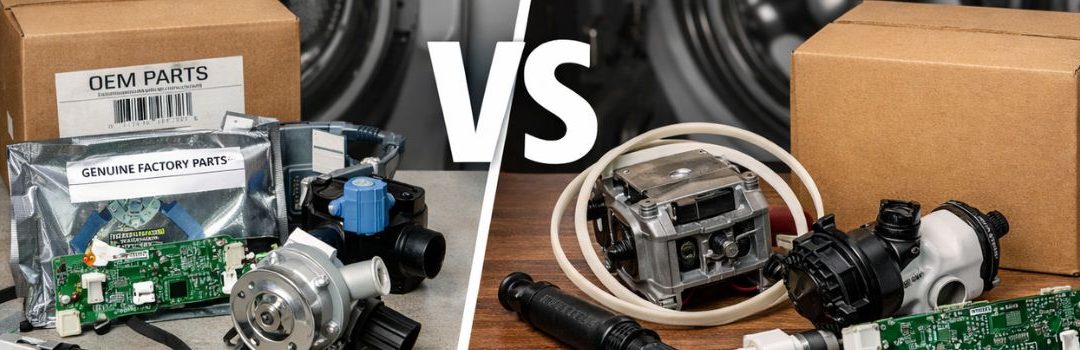
When it comes to repairing washers, one of the key decisions is choosing between Original Equipment Manufacturer (OEM) parts and aftermarket parts. OEM parts are made by the washer’s original manufacturer, while aftermarket parts are produced by third-party companies. This choice can have a significant impact on the washer’s performance, durability, and even the warranty coverage.
Selecting the right parts not only affects the immediate repair quality of a leaking washer but also contributes to the long-term functionality and reliability of the appliance. For Langley homeowners, understanding the differences between OEM and aftermarket parts is crucial to making informed decisions that protect their investment.
Understanding Washer Parts: OEM vs Aftermarket
What are OEM Parts?
OEM parts are components made by the original manufacturer of the appliance. These parts are designed to perfectly fit the specific model of your washer, ensuring precise fit and tested quality. Because they come directly from the appliance maker, OEM parts guarantee full compatibility with your machine. Using OEM parts often helps maintain the appliance’s integrity, and they typically come with warranty benefits that protect your investment if something goes wrong after installation.
What are Aftermarket Parts?
Aftermarket parts are made by third-party manufacturers who are not affiliated with the original appliance maker. These parts can vary widely in terms of quality, fit, and performance. While some aftermarket parts may match or even exceed OEM standards, others might not fit as precisely or last as long. One of the main advantages of aftermarket parts is the potential for upfront cost savings, making them an appealing option for budget-conscious homeowners. However, the variability in quality means it’s important to choose reputable aftermarket brands if you decide to go this route.
Key Factors in Choosing Washer Parts
Cost Considerations
When selecting washer parts, cost is a major factor for homeowners in Langley. OEM parts typically have a higher initial purchase price compared to aftermarket parts. However, it is important to consider long-term cost implications. Aftermarket parts may lead to more frequent repairs and reduced appliance longevity, ultimately increasing overall expenses. Investing in OEM parts can reduce these risks by providing better durability and reliability, saving money over time.
Warranty and Appliance Value
Using OEM parts is crucial for maintaining the warranty on your washer. Many appliance warranties become void if aftermarket parts are used for repairs. This not only risks losing warranty coverage but can also affect the washer’s resale value. Original parts help preserve both the warranty and the appliance’s value, making OEM components a safer choice for long-term ownership.
Quality and Performance
OEM parts are known for their reliability and durability since they are manufactured to meet the washer’s exact specifications. In contrast, aftermarket parts can vary widely in quality. Some may pose safety risks or fail prematurely. Additionally, aftermarket parts might not fit perfectly, potentially causing operational issues with the washer. Choosing OEM ensures optimal performance and safety due to precise fit and consistent quality.
Lifespan Extension
Using high-quality parts can significantly extend the life of your washer. Statistics show that washers repaired with quality parts have a success rate of 92%, compared to 75% for those using generic aftermarket components. This translates to an extended lifespan of 4 to 8 years, making quality parts a wise investment for durability and long-term satisfaction.
When to Choose OEM Parts
Choosing Original Equipment Manufacturer (OEM) parts is often the best decision in several key situations. First, if your washer is still under the manufacturer’s warranty, using OEM parts is typically required to keep the warranty valid. This ensures that any repairs or replacements meet the manufacturer’s standards without risking voiding your coverage.
For high-end or newer washers, where performance and longevity are top priorities, OEM parts provide the exact specifications and quality designed by the original manufacturer. These parts are engineered to fit perfectly and work seamlessly with your appliance, helping maintain optimal operation over time.
In cases involving critical components that impact safety and appliance operation, OEM parts are the safest choice. Since these parts are tested and approved by the manufacturer, they reduce the risk of malfunctions or hazards that could arise from using inferior aftermarket parts.
Lastly, if you’re looking to maintain or even increase the value of your appliance, using OEM parts is advisable. Keeping your washer with original parts can be important for resale value or if you plan to keep the appliance for many years. The assurance of OEM quality can provide peace of mind and protect your investment.
When Aftermarket Parts Might Be Suitable
Aftermarket parts can be a practical choice in certain situations, especially for Langley homeowners looking to balance cost and functionality. One common scenario is with older washers that are no longer under warranty. In these cases, the cost savings offered by aftermarket parts can make repairs more affordable without the pressure of maintaining a brand-new machine’s integrity.
Additionally, aftermarket parts may be suitable for non-critical components—those that do not directly impact the washer’s safety or overall performance. For example, cosmetic parts or minor fittings that don’t affect the machine’s operation can often be replaced with aftermarket alternatives without issue.
Situations that demand quick and budget-friendly repairs also benefit from aftermarket parts. When a washer breaks down unexpectedly, and immediate repair is necessary to avoid prolonged inconvenience, aftermarket parts provide a cost-effective and readily available solution. This approach allows homeowners to restore functionality swiftly without the higher expense or potential wait times associated with OEM parts.
Risks and Considerations of Aftermarket Parts
When opting for aftermarket washer parts, Langley homeowners should be aware of several risks and considerations. One major concern is the higher failure rates associated with these parts, which can lead to more frequent repairs and ultimately increase the long-term cost of appliance maintenance. Unlike OEM parts, aftermarket components may not undergo rigorous quality testing, resulting in reduced durability and performance issues.
Safety is another critical factor. Aftermarket parts can present safety risks due to inconsistent manufacturing standards. Without strict adherence to original specifications, these parts may cause electrical or mechanical failures that could pose hazards to users.
Additionally, fitment problems are common with aftermarket parts. Improperly fitting components can cause operational inefficiencies, such as leaks, increased wear, or improper functioning of the washer. These issues not only affect the appliance’s performance but may also lead to further damage over time.
Considering these factors is essential when deciding whether to use aftermarket parts in your washer, as the initial cost savings might be outweighed by the potential downsides.
Practical Tips for Langley Homeowners
Assessing Your Washer’s Condition and Needs
Before deciding between OEM and aftermarket washer parts, Langley homeowners should first assess their appliance’s condition. Consider the age of your washer older machines might benefit more from aftermarket parts due to cost savings, while newer models under warranty typically require OEM parts to avoid voiding coverage. Additionally, evaluate the criticality of the component needing replacement; for essential parts like motors or control boards, OEM parts often ensure better reliability and performance.
Sourcing Parts Responsibly
If OEM parts are not feasible due to cost or availability, it’s important to source aftermarket parts responsibly. Look for reputable suppliers with positive customer reviews and industry certifications. Check the compatibility and quality standards of the parts to avoid frequent replacements or damage. Verifying supplier credibility helps ensure you receive durable and safe components that won’t compromise your washer’s function.
Professional Repair vs DIY
Professional installation is highly recommended for most washer repairs to ensure parts fit correctly and the appliance functions safely after repair. Certified technicians have the expertise to handle complex issues and can often spot additional problems early. However, DIY repairs using aftermarket parts might be appropriate for those with repair experience and straightforward issues, such as replacing a belt or a simple valve. Always weigh the risks and benefits before proceeding with do-it-yourself repairs.
Conclusion
When deciding between OEM and aftermarket washer parts, Langley homeowners face clear trade-offs. OEM parts offer superior warranty coverage, proven reliability, and a longer lifespan, making them a worthwhile investment for maintaining your washer’s performance and durability. These benefits often translate into fewer repairs and a more dependable appliance over time. On the other hand, aftermarket parts can provide a more budget-friendly option, particularly for older washers or less critical repairs where cost savings are a priority.
It’s important to weigh these factors carefully based on your washer’s specific condition and repair needs. If you value peace of mind and long-term reliability, OEM parts are generally the best choice. However, if you are managing repair expenses or dealing with a machine nearing the end of its life, aftermarket parts may serve as a practical alternative.
Ultimately, making an informed decision will help ensure your washer continues to function effectively while aligning with your budget and expectations.

LET’S CONNECT
OPEN HOURS
Mon-Fri: 8AM-6PM
Saturday: 10AM-6PM
Sunday: 10AM-6PM
QUICK LINKS:
LET’S CONNECT
(778) 600-1787
service@langleyappliancesrepair.ca
OPEN HOURS
Mon-Fri: 8AM-6PM
Saturday: 10AM-6PM
Sunday: 10AM-6PM
QUICK LINKS:
© 2025 Langley Appliances Repair All Rights Reserved | Privacy Policy | Sitemap