

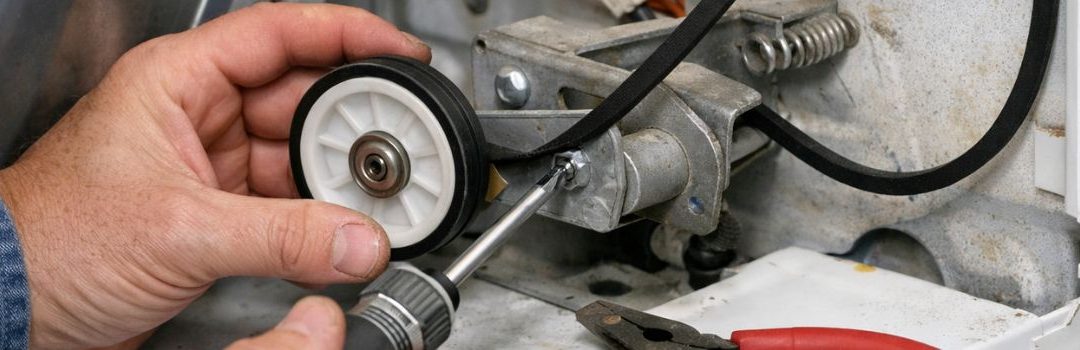
The dryer pulley plays a crucial role in the overall functionality of your dryer. It helps rotate the drum smoothly, allowing your clothes to dry evenly and efficiently. When the pulley malfunctions, it can lead to poor drying performance, unusual noises, or even complete dryer failure.
Common signs indicating pulley issues include squeaking or grinding sounds during operation, the drum not turning properly, and the dryer stopping unexpectedly. Recognizing these symptoms early can save you from the rising cost of repairing a dryer and extend the lifespan of your appliance.
Langley experts offer specialized services and resources for dryer pulley replacement. Their experience ensures that the repair is done correctly, restoring your dryer to optimal working condition quickly and safely.
Understanding Dryer Pulley and Its Role
What is a Dryer Pulley?
A dryer pulley is a crucial component within a clothes dryer that helps facilitate the smooth rotation of the drum. Its primary function is to guide and maintain tension on the dryer belt, which wraps around the drum and motor shaft. Without a properly functioning pulley, the dryer belt can slip or break, leading to a malfunctioning dryer.
There are typically two main types of pulleys used in dryers:
- Idler Pulley: This pulley provides tension to the dryer belt, ensuring it stays tight enough to rotate the drum effectively. It usually consists of a wheel mounted on a spring-loaded arm or bracket.
- Drum Pulley: This pulley is directly connected to the drum and helps transfer the rotational force from the motor via the belt to turn the drum during the drying cycle.
How the Pulley Affects Dryer Performance
The dryer pulley plays a vital role in maintaining proper belt tension and facilitating smooth drum movement. When the pulley is in good condition, it ensures the belt remains tight and aligned, allowing the drum to rotate consistently and efficiently.
If the pulley is worn out or damaged, it can cause the belt to slip or become loose, which disrupts the drum’s rotation. This can lead to longer drying times, uneven drying, or even complete failure of the dryer to operate. Additionally, a malfunctioning pulley can create excessive noise or cause the belt to snap, posing safety risks.
Thus, the pulley directly impacts the dryer’s performance by influencing drying efficiency and overall safety during operation.
Common Dryer Pulley Problems
Signs of a Faulty or Broken Pulley
One of the most noticeable signs that your dryer pulley may be faulty or broken is unusual noises during operation. Squeaking or grinding sounds often indicate that the pulley bearings are worn out or that the pulley itself is damaged. Additionally, if you notice that the dryer drum is not turning smoothly or seems to struggle during rotation, this can be a sign that the pulley is failing. Another common symptom is when the dryer stops mid-cycle or overheats, which can result from the pulley not allowing the drum to spin properly, causing the motor to overwork.
Causes of Pulley Damage
Pulley damage usually occurs due to wear and tear over time. Constant movement and friction cause the pulley to degrade eventually. Belt misalignment or breakage can also lead to pulley issues, as the improper tension or a snapped belt places additional stress on the pulley system. Lastly, lack of maintenance can accelerate pulley problems. Without regular inspection and lubrication, the pulley components can seize up or wear unevenly, leading to failure.
Step-by-Step Dryer Pulley Replacement Guide
Tools and Materials Needed
To replace your dryer pulley, gather the following tools and materials:
- Phillips and flathead screwdrivers
- Socket wrench set
- Replacement dryer pulley (e.g., W10837240 idler pulley)
- Replacement dryer belt (if needed)
- Pliers
- Work gloves
- Flashlight or work light
Safety Precautions
Before beginning the replacement process, ensure your safety by following these steps:
- Unplug the dryer from the electrical outlet to prevent any risk of electric shock.
- Wear work gloves to protect your hands from sharp edges inside the dryer.
- Handle electrical components carefully to avoid damage or injury.
Detailed Replacement Process
Access the Dryer Drum and Pulley Assembly
- Unplug the dryer.
- Depending on your dryer model, remove the top panel, front panel, or access panel to reach the drum and pulley assembly. This often involves unscrewing several screws and carefully disconnecting any wire connectors.
Removing the Old Pulley
- Locate the pulley assembly attached to the dryer drum.
- Use a socket wrench or screwdriver to remove the pulley mounting bolt or nut.
- Carefully slide the old pulley off the shaft.
Inspecting and Replacing the Dryer Belt if Needed
- While you have access, inspect the dryer belt for any cracks, fraying, or wear.
- If damaged, remove the old belt by releasing tension from the idler pulley and sliding the belt off.
- Replace with a new dryer belt, routing it correctly around the drum and pulleys.
Installing the New Pulley
- Install the new pulley, such as the W10837240 idler pulley, by sliding it onto the shaft and securing it with the mounting hardware.
- Ensure it spins freely and is properly aligned.
- The W10837240 pulley is designed for durability and helps enhance your dryer’s performance.
Reassembling and Testing the Dryer
- Reattach all panels and secure screws.
- Plug the dryer back in.
- Run a test cycle to ensure the drum spins smoothly and the dryer operates correctly.
Maintenance Tips to Prevent Pulley Issues
Regular Inspection and Cleaning
To keep your dryer pulley in good condition, regularly check both the pulley and the belt for signs of wear or damage. Look for cracks, fraying, or any unusual noises during operation. Cleaning is equally important; remove lint and debris from around the pulley area to prevent buildup that can cause premature wear or pulley misalignment.
Proper Usage Practices
Avoid overloading your dryer, as heavy loads put extra strain on the pulley and belt system. Always aim for balanced loads to ensure even weight distribution, which helps reduce stress on the pulley and extends its lifespan.
Troubleshooting Related Dryer Problems
Dryer Belt Inspection and Replacement
One of the most common issues with dryers is a broken or worn belt. Signs that the dryer belt needs inspection or replacement include the dryer drum not rotating, unusual squeaking noises during operation, or the dryer stopping mid-cycle. To check the belt, unplug the dryer and remove the front or back panel to access the drum and belt assembly. Look for cracks, fraying, or breaks in the belt.
If the belt is damaged, replacement is straightforward. First, release the tension on the idler pulley to free the belt. Remove the old belt from the drum and motor pulley. Place the new belt around the drum, then loop it around the idler pulley and motor shaft, ensuring it is properly aligned. Finally, reassemble the panels and test the dryer.
Addressing Noise and Drum Movement Issues
If your dryer is making unusual noises or the drum movement feels off, it might indicate problems beyond the belt. A common culprit is the dryer pulley, which helps the drum rotate smoothly. To diagnose if the pulley is the issue, listen for a repeated squealing or thumping noise, or check if the drum feels loose or wobbly when turned by hand.
Other mechanical problems to consider include worn drum rollers, a faulty idler pulley, or issues with the motor itself. Inspect each component carefully. Drum rollers should spin freely without noise; the idler pulley should maintain proper belt tension without squeaking; and the motor should run smoothly without overheating. Identifying the exact source of the problem ensures you replace or repair the correct part, preventing further damage and extending the dryer’s lifespan.
Choosing the Right Replacement Parts
Importance of Quality Parts
Selecting high-quality replacement parts for your dryer pulley is crucial to ensure durability and proper compatibility. Using inferior or incompatible parts can lead to frequent breakdowns, reduced efficiency, and even damage to other dryer components. When choosing parts, focus on those made from robust materials designed to withstand the heat and mechanical stress inside the dryer.
To avoid compatibility issues, always check the part numbers recommended for your specific dryer model. Many manufacturers provide exact part numbers for replacement pulleys and related components. Using these recommended parts guarantees a proper fit and smooth operation. If unsure, consult your dryer’s user manual or contact a Langley expert for guidance.
Where to Buy Reliable Dryer Pulleys in Langley
For reliable dryer pulleys in Langley, consider purchasing from local expert suppliers who specialize in appliance parts. These suppliers often carry genuine OEM parts and can offer personalized advice based on your dryer’s make and model. Visiting a local store also allows you to inspect the parts before buying.
Alternatively, reputable online retailers provide a wide selection of dryer pulleys with detailed descriptions and compatibility information. When buying online, choose sellers with positive reviews and clear return policies to ensure you receive the correct parts. Combining local expertise with the convenience of online options helps you find the best replacement pulley for your dryer.
Conclusion
Successfully replacing a dryer pulley involves several key steps: unplugging the dryer, accessing the pulley assembly, removing the old pulley and belt, installing the new pulley, and reassembling the components carefully. Following these steps methodically ensures the dryer functions properly and safely after the repair. Additionally, using durable replacement parts like the W10837240 idler pulley can enhance the dryer’s performance and longevity.
Regular maintenance, such as cleaning the lint trap and checking the belt and pulley condition, is essential to extend the life of your dryer and prevent sudden breakdowns. Staying proactive with these simple tasks helps avoid costly repairs and keeps your appliance running efficiently.

LET’S CONNECT
OPEN HOURS
Mon-Fri: 8AM-6PM
Saturday: 10AM-6PM
Sunday: 10AM-6PM
QUICK LINKS:
LET’S CONNECT
(778) 600-1787
service@langleyappliancesrepair.ca
OPEN HOURS
Mon-Fri: 8AM-6PM
Saturday: 10AM-6PM
Sunday: 10AM-6PM
QUICK LINKS:
© 2025 Langley Appliances Repair All Rights Reserved | Privacy Policy | Sitemap