
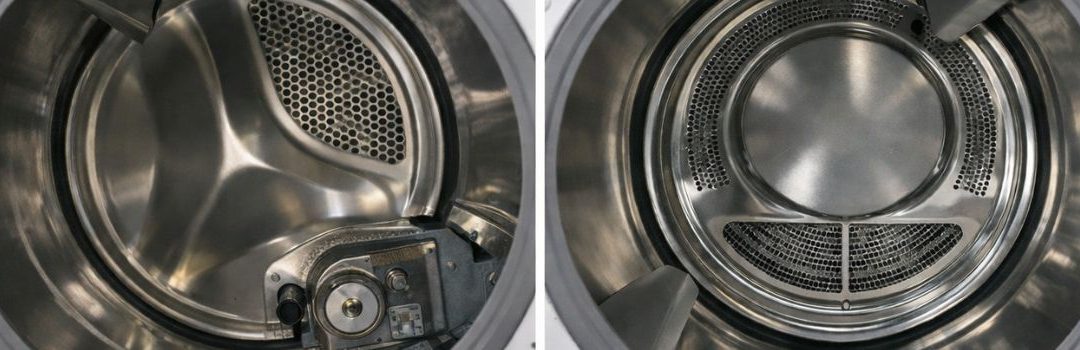
Maintaining gas and electric dryers in older homes is crucial for safety and efficiency. In Langley, where many residences are decades old, dryers often face unique challenges due to outdated wiring, ventilation issues, and wear from years of use. These factors can increase the risk of malfunctions and hazards.
Older homes in Langley may have inadequate venting systems that lead to lint buildup, creating fire risks. Additionally, aging electrical components and worn mechanical parts can cause short circuits or faulty operation, which is why regular servicing and following proper pulley replacement tips are essential.
Statistics reveal the importance of proper dryer maintenance: dryer vent fires account for thousands of incidents annually, with many linked to clogged vents and neglected servicing.
Understanding Dryer Types and Their Servicing Needs
Gas Dryers
Gas dryers use a gas burner assembly to generate heat, which is a key component unique to this type of dryer. This assembly typically includes the burner, gas valve, igniter, and flame sensor. Because they rely on natural gas, safety is a critical aspect when servicing these appliances. Proper inspection and maintenance of gas connections, venting systems, and burners are essential to prevent gas leaks and ensure efficient operation. Technicians must follow strict safety protocols to avoid hazards such as gas buildup or carbon monoxide exposure.
Electric Dryers
Electric dryers operate using heating elements powered by electricity. Common electrical components include the heating coils, thermostats, thermal fuses, and electrical wiring. These parts can wear out or fail due to overheating, electrical shorts, or general wear and tear. Servicing electric dryers often involves checking these components for continuity and replacing faulty parts. Unlike gas dryers, electric dryers do not require gas line inspections but demand careful attention to electrical safety and ensuring proper voltage and grounding.
Commonalities and Differences in Servicing Both Types
Both gas and electric dryers require regular cleaning of lint filters and vents to maintain airflow and prevent fire risks. Servicing either type involves inspecting belts, motors, and drum rollers to ensure smooth operation. However, the key difference lies in handling their heat sources: gas dryers need gas line safety checks and burner maintenance, while electric dryers require electrical component testing and repair. Understanding these distinctions is vital for effective and safe dryer servicing in Langley’s older homes.
The Impact of Dryer Age on Safety and Efficiency
In Langley’s older homes, many gas and electric dryers are over 20 years old, reflecting a trend seen in the broader Vancouver area. These aging appliances often lack modern safety features and are more prone to mechanical failure, raising significant concerns for homeowners. According to a report on Vancouver’s growing trend of 20+ year-old appliances, the presence of these vintage dryers can create hidden safety hazards that are not immediately obvious without professional inspection.
As dryers age, components such as belts, motors, and thermostats wear down, increasing the likelihood of malfunction. Outdated wiring and insulation degrade over time, which can lead to electrical shorts or sparks. The lack of modern safety mechanisms like automatic shut-offs or improved venting systems further compounds these risks.
Older dryers also tend to operate less efficiently. Worn parts reduce the dryer’s ability to generate consistent heat, leading to longer drying times and increased energy consumption. Accumulated lint in outdated venting systems can restrict airflow, causing the dryer to overheat and heightening the risk of fire.
In summary, the age of dryers in Langley’s older homes directly impacts both safety and efficiency. Regular servicing and timely replacement of these appliances are essential to mitigate potential hazards and improve performance.
Fire Hazards Associated with Dryers
Dryer Vent Fires
Dryer fires are a significant safety concern in Canadian homes, accounting for 92% of all appliance fire incidents. This high percentage highlights the critical need for proper dryer maintenance and safety awareness. A major contributing factor to these fires is inadequate maintenance, responsible for 32% of dryer fire cases. Neglecting lint buildup and vent blockages can create highly flammable conditions that, if ignited, lead to dangerous fires.
Importance of Regular Dryer Vent Cleaning
Regular cleaning of dryer vents is essential to reduce the risk of fire. Annually, proper vent cleaning prevents approximately 80% of home fires related to dryers. In older homes, where dryer vent systems may be compromised by age or design, maintaining clear vents is even more critical. Best practices include inspecting and cleaning vents at least once a year, using professional services when necessary, and ensuring that vents are properly installed with minimal bends to avoid lint accumulation. Keeping vents free of obstructions allows dryers to operate efficiently and safely, significantly reducing fire hazards.
Servicing Considerations Specific to Langley’s Older Homes
Structural and Installation Challenges
When servicing dryers in Langley’s older homes, one common challenge is dealing with outdated ductwork and venting systems. These homes often have ductwork that has deteriorated over time, leading to blockages or restrictions that can hinder proper ventilation. Improper ventilation not only reduces dryer efficiency but also poses safety risks such as increased fire hazards. Technicians must carefully inspect and, if necessary, upgrade or replace these systems to ensure optimal airflow and compliance with current standards.
Gas Line and Electrical System Checks
Older homes in Langley may have aging gas lines and electrical wiring that do not meet modern safety codes. It is critical to perform thorough safety compliance checks during dryer servicing. This includes detecting any gas leaks, which can be dangerous, and identifying electrical hazards such as frayed wiring or outdated circuit breakers. Ensuring that the gas and electrical connections are secure and up to code protects both the appliance and the home’s occupants.
Environmental Factors
Langley’s local climate can affect the wear and safety of dryers in older homes. The area’s humidity and temperature fluctuations may accelerate the degradation of dryer components, especially in uninsulated or poorly ventilated spaces common in older constructions. Moisture buildup can also contribute to mold growth and corrosion, which impact both appliance performance and indoor air quality. Taking these environmental factors into account helps service professionals provide more effective maintenance and extend the lifespan of dryers in these homes.
Maintenance Best Practices for Gas and Electric Dryers
Regular Inspection and Diagnostics
Regular inspection and diagnostics are essential to keep gas and electric dryers functioning safely and efficiently, especially in older homes. Using professional diagnostic tools and techniques allows technicians to accurately identify issues such as faulty heating elements, worn belts, or gas leaks before they become serious problems. These tools can assess electrical circuits, gas flow, and temperature regulation to ensure all components are working within their proper parameters. Routine diagnostics help prevent unexpected breakdowns and extend the lifespan of the dryer. For detailed training on these methods, resources like Fred’s Appliance Academy provide specialized courses focused on gas and electric dryer servicing.
Cleaning and Ventilation
Proper cleaning and ventilation are crucial for dryer safety and performance. Follow these steps for safe and effective cleaning:
- Unplug the Dryer: Always disconnect the power supply before beginning any cleaning.
- Clean the Lint Filter: Remove and clean the lint screen after every load to prevent buildup.
- Vacuum the Vent and Ducts: Use a vacuum or specialized brush to remove lint from the vent hose and ducts, which helps maintain clear airflow.
- Inspect the Exterior Vent: Ensure the outside vent flap opens freely and is not blocked by debris or nests.
Maintaining clear airflow prevents overheating, reduces drying time, and lowers the risk of fires caused by lint accumulation. Regular cleaning also improves energy efficiency and dryer longevity.
Component Replacement and Upgrades
Identifying worn or outdated components is key to maintaining dryer safety and efficiency. Common parts that may need replacement include belts, thermostats, heating elements, and gas valves. Signs of wear include unusual noises, inconsistent drying, or visible damage.
In older homes, upgrading to newer, safer models might be advisable when frequent repairs are needed or when the existing dryer lacks modern safety features such as improved temperature sensors and automatic shutoff systems. New models often provide better energy efficiency and compliance with current safety standards, making them a worthwhile investment for long-term reliability.
Safety Protocols and Compliance
Adhering to Local and National Safety Standards
When servicing gas and electric dryers in Langley’s older homes, it is crucial to follow both local and national safety codes and regulations. These standards are designed to ensure the safe installation, maintenance, and operation of dryers, minimizing risks such as gas leaks, electrical hazards, and fire. Technicians must comply with the Canadian Electrical Code and provincial gas safety regulations, which outline proper wiring, venting, and gas connection requirements. Additionally, adherence to manufacturer guidelines for dryer servicing helps maintain compliance and guarantees safety for homeowners.
Emergency Preparedness
Homeowners should be aware of the fire risks associated with dryers, especially in older homes where vents and ducts may accumulate lint or where outdated wiring exists. Lint buildup is a common cause of dryer fires, so regular cleaning and inspection are essential. Installing smoke detectors near laundry areas is a vital precaution. These detectors provide early warning in case of overheating or fire, improving the chances of a safe evacuation and reducing damage. Ensuring smoke detectors are tested regularly and have fresh batteries can significantly enhance emergency preparedness in the home.
Training and Professional Development for Technicians
Importance of Specialized Training
Technicians servicing gas and electric dryers in Langley’s older homes face unique challenges that require specialized knowledge. Comprehensive online training programs, such as those offered by Fred’s Appliance Academy, provide valuable resources to ensure technicians are well-prepared. These programs cover essential topics including the safe handling of older appliance models, troubleshooting techniques, and updated repair protocols. By engaging in such structured training, technicians can improve their diagnostic accuracy and repair efficiency, leading to safer and more reliable dryer servicing.
Keeping Up with Technological Advances
As dryer technology evolves, technicians must stay informed about new safety features and servicing methods. Modern dryers often include advanced sensors, improved venting systems, and updated electrical components designed to enhance performance and safety. Understanding these innovations is critical for effectively servicing both new and older dryer models in Langley’s homes. Continuous professional development helps technicians adapt to these changes, ensuring they apply the latest techniques and safety standards during repairs and maintenance.
Conclusion
Servicing gas and electric dryers in Langley’s older homes is essential to ensure both safety and efficiency. Older homes often have outdated wiring and ventilation systems that can pose risks if dryers are not properly maintained. Regular servicing helps prevent potential hazards such as fires and reduces the likelihood of costly repairs.
Homeowners should prioritize scheduling routine maintenance and inspections to keep their dryers functioning optimally. This proactive approach not only extends the lifespan of the appliance but also improves energy efficiency, saving money in the long run.
By committing to regular dryer servicing, residents of Langley’s older homes can enhance the safety of their households while maintaining appliance performance. Proper care of dryers is a key step toward creating a safer, more efficient living environment.

LET’S CONNECT
OPEN HOURS
Mon-Fri: 8AM-6PM
Saturday: 10AM-6PM
Sunday: 10AM-6PM
QUICK LINKS:
LET’S CONNECT
(778) 600-1787
service@langleyappliancesrepair.ca
OPEN HOURS
Mon-Fri: 8AM-6PM
Saturday: 10AM-6PM
Sunday: 10AM-6PM
QUICK LINKS:
© 2025 Langley Appliances Repair All Rights Reserved | Privacy Policy | Sitemap