
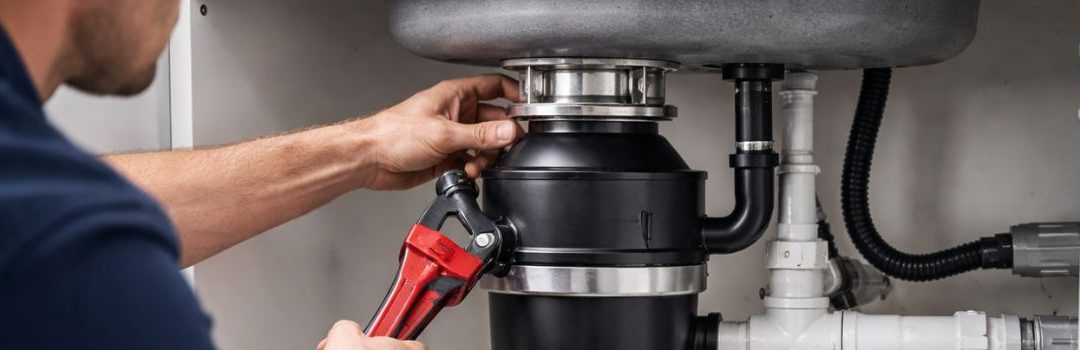
Garbage disposal systems have become an essential part of modern kitchens, providing a convenient way to manage food waste efficiently. These devices grind food scraps into smaller particles, allowing them to flow easily through the plumbing system, reducing the amount of waste sent to landfills and helping prevent any garbage disposal problem before it starts.
However, improper installation of garbage disposals can lead to significant problems, including frequent clogs and plumbing issues. When a disposal is not installed correctly, it can cause blockages in the pipes, leading to backups and costly repairs. Understanding the correct installation process is crucial to avoid these common problems.
Homeowners in Langley face specific challenges regarding garbage disposal installation due to the area’s unique plumbing systems and water conditions. Local water hardness and pipe designs can affect how well a disposal functions, making professional installation and adherence to best practices even more important to prevent clogs and ensure long-term performance.
Understanding Garbage Disposal Systems
Components of a Garbage Disposal
A garbage disposal consists of several key components that work together to grind and dispose of food waste efficiently. The motor powers the grinding mechanism inside the disposal. The grinding chamber is where the food waste is broken down into smaller particles. Connected to the grinding chamber is the drainpipe, which directs the ground waste into the plumbing system. The P-trap is a curved section of the drainpipe that prevents sewer gases from entering your home. The mounting assembly secures the disposal unit to the sink. Finally, electrical components provide power and control the operation of the unit.
How Garbage Disposals Work
When you turn on a garbage disposal, the motor activates the grinding chamber. Food waste enters the chamber and is shredded into fine particles by spinning blades or impellers. Once ground, the waste is flushed through the drainpipe with water, passing through the P-trap and into the home’s plumbing system. This process helps to reduce the amount of solid waste going into your trash and minimizes the risk of clogs if used properly.
Common Installation Mistakes Leading to Clogs
1. Incorrect Drainpipe Alignment
Proper drainpipe alignment is crucial for the smooth operation of a garbage disposal. When the drainpipe is misaligned, food waste and water can get trapped in bends or awkward angles, leading to slow drainage and frequent clogs. To avoid this, ensure that the drainpipe is installed in a straight line or with gentle slopes that facilitate easy flow. Checking alignment during installation helps prevent buildup and keeps your plumbing running efficiently.
2. Improper P-Trap Installation
The P-trap plays an essential role in plumbing by preventing sewer gases from entering your home and maintaining water flow. Incorrect installation of the P-trap can cause sewer gas leaks and contribute to clog formation as waste may not pass through effectively. When installing a garbage disposal, make sure the P-trap is properly positioned and secured to maintain a water seal and allow for smooth disposal of waste. Following best practices for P-trap installation reduces the risk of odors and blockages.
3. Using the Wrong Disposal Size
Selecting the right size garbage disposal for your household needs is important. An undersized disposal can overload your plumbing system, resulting in frequent clogs and motor overheating. Consider factors like household size, kitchen usage frequency, and plumbing capacity before choosing a disposal unit. Using an appropriately sized disposal ensures efficient grinding of waste and reduces the likelihood of plumbing issues.
4. Loose Mounting and Seal Failures
The mounting assembly and seal of a disposal unit must be secure to prevent vibrations and leaks. Loose mounting can cause the unit to shake, leading to water leaks and potential damage to surrounding areas. Over time, these leaks and vibrations can contribute to clogging as waste and water are not properly contained and directed. To avoid this, ensure the mounting assembly is tightly fastened and seals are intact during installation.
5. Electrical Connection Errors
Correct electrical wiring and proper installation of switches are vital for the safe and efficient operation of garbage disposals. Electrical connection errors can cause malfunctioning units, which may increase the risk of clogs if the disposal stops grinding waste effectively. Adhering to safety protocols and local electrical codes during installation helps prevent hazards and ensures the disposal functions as intended.
Additional Factors Contributing to Clogs
Using the Disposal Incorrectly
One common mistake that leads to clogs is using the garbage disposal incorrectly. Avoid putting fibrous materials like celery, onion skins, and corn husks into the disposal, as these can wrap around the blades and cause jams. Starchy foods such as potato peels and pasta tend to expand and create thick pastes that clog the pipes. Hard materials like bones, fruit pits, and coffee grounds can also damage the disposal and obstruct the flow of water.
Lack of Regular Maintenance
Regular maintenance is essential to keep your garbage disposal running smoothly and to prevent clogs. Cleaning the unit periodically helps remove food buildup and grease that accumulate over time. Inspecting the disposal for any signs of wear or damage allows you to address problems early before they lead to more serious blockages. Simple maintenance steps include running cold water while using the disposal and flushing it with a mixture of baking soda and vinegar.
Plumbing System Limitations
The condition and design of your plumbing system can also contribute to clogging issues. Older pipes that are narrow, corroded, or damaged restrict water flow and increase the chance of blockages. Inadequate plumbing venting and improper pipe slopes can cause wastewater to back up, exacerbating disposal clogs. Upgrading or repairing plumbing components may be necessary to ensure the disposal functions effectively without frequent clog problems.
Langley-Specific Considerations
When installing a garbage disposal in Langley, it’s essential to be aware of local plumbing codes and regulations. Langley has specific requirements that may affect how and where a disposal unit can be installed. For example, certain codes may mandate the use of particular pipe materials or specify the types of fittings allowed to ensure proper drainage and prevent clogs. Compliance with these regulations not only guarantees safety but also helps avoid costly repairs or fines down the line.
Another important factor is the common plumbing infrastructure challenges found in Langley homes. Many houses in the area have older plumbing systems that were not originally designed to accommodate garbage disposals. These older pipes may be narrower or made from materials that are more prone to clogging. Additionally, some homes may have inadequate venting or unusual pipe layouts, which can increase the risk of drainage issues after installation. Understanding these local infrastructure quirks allows for better planning and can help prevent common problems such as frequent clogs or slow drainage.
Addressing these Langley-specific considerations during installation is crucial for ensuring your garbage disposal functions effectively and avoids persistent clogging issues.
How to Avoid These Installation Mistakes
Hiring Professional Installers
One of the most effective ways to prevent clogs caused by improper garbage disposal installation is to hire professional installers. Professionals have the experience and knowledge to correctly fit and secure your disposal unit, ensuring all connections are tight and leak-free. They understand the plumbing codes and can spot potential issues that a DIY approach might miss, significantly reducing the risk of clogging and other malfunctions.
DIY Installation Best Practices
If you choose to install a garbage disposal yourself, following a proper step-by-step process is essential to avoid clogs:
- Gather Tools and Materials: You will need a screwdriver, plumber’s putty, a pipe wrench, a bucket, a flashlight, and the disposal unit’s installation kit.
- Turn Off Power and Water: Ensure the power to the disposal circuit is off at the breaker and turn off the water supply.
- Remove Existing Disposal or Prepare Sink: Detach any old unit carefully and clean the sink drain opening.
- Apply Plumber’s Putty: Roll plumber’s putty into a rope and apply it around the flange of the new disposal to create a watertight seal.
- Mount the Disposal: Secure the disposal to the sink flange by tightening the mounting ring evenly.
- Connect Plumbing: Attach the discharge tube to the drain pipe and ensure all fittings are tight.
- Wire the Disposal: Connect the electrical wires correctly, following the manufacturer’s instructions.
- Test the Unit: Restore power, run the water, and test the disposal for leaks and proper operation.
Adhering closely to the manufacturer’s instructions and double-checking each connection helps prevent leaks and clogs.
Routine Inspection and Maintenance Tips
Regular inspections and maintenance are crucial to keep your garbage disposal clog-free:
- Schedule Regular Checks: Inspect the disposal and connected pipes every few months to detect any signs of wear, leaks, or buildup.
- Look for Early Signs of Clogs: Slow draining water, gurgling sounds, or unusual odors can indicate the beginning of a clog.
- Clean the Disposal: Use a disposal cleaner or a mixture of ice cubes and lemon peels to keep the blades sharp and the unit fresh.
- Avoid Improper Waste: Never put fibrous, starchy, or hard materials down the disposal to prevent blockages.
By combining professional installation or careful DIY methods with routine maintenance, you can significantly reduce the chances of clogs and extend the life of your garbage disposal.
Troubleshooting and Fixing Clogs
Clogs in garbage disposals often stem from installation errors. Common causes include improper alignment of the disposal unit, incorrect plumbing connections, and inadequate sealing that allows debris to accumulate. These mistakes can lead to food particles and grease building up, eventually blocking the flow and causing clogs.
For minor clogs, there are several DIY methods you can try. First, always disconnect the power to the disposal before attempting any fixes. Use a plunger to dislodge blockages in the drain. Another effective method is to manually turn the disposal’s impellers using an Allen wrench inserted into the bottom of the unit, which can free jammed components. Avoid using chemical drain cleaners, as they can damage the disposal and pipes.
If these steps don’t resolve the issue, or if the clog is persistent and severe, it’s time to call a professional plumber. Experts can accurately diagnose installation-related problems and safely clear clogs without risking damage to your plumbing system. Professional intervention is especially important when the clog results from faulty installation that requires adjustment or replacement to prevent future blockages.
Conclusion
Avoiding critical installation mistakes such as improper alignment, incorrect sealing, and using incompatible parts is essential to prevent clogs in your garbage disposal system. Proper installation ensures smooth operation and reduces the likelihood of blockages that can cause costly repairs.
Regular maintenance combined with correct installation practices is key to keeping your garbage disposal clog-free and functioning efficiently. When in doubt, consulting a professional for installation and repairs can save time, money, and frustration in the long run.

LET’S CONNECT
OPEN HOURS
Mon-Fri: 8AM-6PM
Saturday: 10AM-6PM
Sunday: 10AM-6PM
QUICK LINKS:
LET’S CONNECT
(778) 600-1787
service@langleyappliancesrepair.ca
OPEN HOURS
Mon-Fri: 8AM-6PM
Saturday: 10AM-6PM
Sunday: 10AM-6PM
QUICK LINKS:
© 2025 Langley Appliances Repair All Rights Reserved | Privacy Policy | Sitemap