

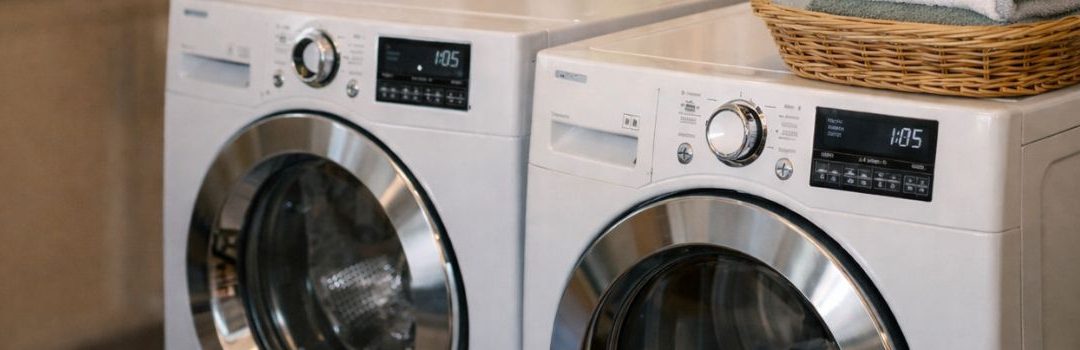
Proper storage of smart washers is essential to maintain their functionality and extend their lifespan. Unlike traditional washers, smart washers come with advanced features and sensitive components that require careful handling and storage practices.
In Langley homes, unique factors such as the region’s climate with its humid winters and warm summers, along with common space constraints in many residences, make it especially important to adopt tailored storage methods. These considerations help prevent damage from moisture, temperature fluctuations, and limited ventilation. Homeowners should also consider performing DIY calibration for washing machine settings before and after storage to maintain accurate wash cycles and efficiency.
This article outlines key best practices for storing smart washers in Langley homes, focusing on protecting the appliance from environmental factors, optimizing space usage, and ensuring the washer remains in optimal working condition for years to come.
Preparing Your Smart Washer for Storage
Thorough Cleaning and Drying
Before storing your smart washer, it’s essential to remove any detergent residue and fabric softeners that can build up inside the machine. Running a cleaning cycle, if your washer has this feature, helps to clear out any lingering deposits and keeps the drum fresh. After the cycle, wipe down the drum, seals, and door to eliminate any remaining moisture. Ensuring the washer is completely dry is crucial to prevent mold and mildew growth, which can damage the appliance and cause unpleasant odors.
Inspect and Maintain Components
Carefully check all hoses and connections for signs of leaks or damage before storage. Any compromised parts should be repaired or replaced to avoid issues when the washer is used again. Remove any detachable parts or secure them firmly to prevent loss or damage. Additionally, disconnect the water supply and drain any remaining water from the machine to prevent freezing or corrosion during storage.
Optimal Storage Environment
Choose a Suitable Storage Location
When storing your smart washer, it’s important to select a dry, climate-controlled area. This helps prevent temperature fluctuations and humidity damage, which can affect the appliance’s components and overall functionality. Avoid storing the washer in basements or garages, as these spaces are often prone to dampness that can cause rust and mold. Additionally, ensure the storage area has good ventilation to reduce moisture buildup and keep the washer in optimal condition.
Protecting the Washer Physically
To protect your washer from physical damage, wrap it in moving blankets or padded covers. This will prevent scratches, dents, and dust accumulation during storage. Always place the washer on a sturdy, flat surface to avoid tipping or any other damage. If possible, use a pallet or platform to raise the washer off the floor, protecting it from potential floor moisture that could cause harm over time.
Managing Washer Access and Airflow
Keep Doors Slightly Open
When storing your smart washer, it’s important to leave the door slightly open. This practice allows air to circulate inside the drum, which helps prevent the buildup of odors and mildew. Keeping the door ajar reduces moisture accumulation, ensuring the washer remains fresh and free from unpleasant smells. To maintain the door in a partially open position, you can use a door stop or a wedge. This simple step is effective in promoting airflow and preserving the washer’s condition during storage.
Avoid Storing Items Inside Washer
It’s crucial not to use the washer drum or compartments as storage spaces for paints, chemicals, flammable materials, or any other hazardous items. Storing such substances inside the washer can lead to chemical damage to the appliance and pose serious safety risks. Keeping the washer empty and free from these materials ensures its longevity and maintains a safe environment in your home.
Additional Smart Washer Storage Tips
Electrical and Smart Features Care
When storing your smart washer, it’s important to unplug it and protect the power cords to prevent any electrical hazards or damage. Covering the control panels can help avoid dust and moisture infiltration, which can interfere with the washer’s sensors and touchscreens. Before putting the washer into storage, consider updating its firmware to ensure the software remains current and functional when you resume use.
Periodic Checks During Storage
Even when stored, your smart washer needs occasional attention. Regularly inspect it for any signs of moisture buildup or pests that could cause damage. If your washer will be stored for an extended period, running a quick cleaning cycle every now and then helps maintain freshness and prevents mold or unpleasant odors from developing.
Troubleshooting and Preparing for Reuse
Before using your smart washer again after storage, start by inspecting it carefully for any physical damage. Look for cracks, dents, or broken parts that might have occurred during the storage period. Next, reconnect the water supply and turn it on slowly to check for any leaks around the hoses or connections. It’s important to ensure that all fittings are secure to prevent water damage. Finally, run a diagnostic or cleaning cycle as recommended by the manufacturer. This helps clear out any residual moisture or debris and confirms that all systems are functioning properly before you proceed with regular laundry loads.
Conclusion
Proper storage of smart washers in Langley homes involves several best practices, including choosing a dry, temperature-controlled space, protecting the appliance from dust and moisture, and ensuring proper ventilation. Tailoring these approaches to the specific environmental conditions of Langley, such as its humidity levels and seasonal temperature changes, is crucial for optimal results.
By following these guidelines, homeowners can extend the lifespan and maintain the performance of their smart washers. Thoughtful storage not only safeguards the appliance from potential damage but also ensures it remains efficient and reliable over time.

LET’S CONNECT
OPEN HOURS
Mon-Fri: 8AM-6PM
Saturday: 10AM-6PM
Sunday: 10AM-6PM
QUICK LINKS:
LET’S CONNECT
(778) 600-1787
service@langleyappliancesrepair.ca
OPEN HOURS
Mon-Fri: 8AM-6PM
Saturday: 10AM-6PM
Sunday: 10AM-6PM
QUICK LINKS:
© 2025 Langley Appliances Repair All Rights Reserved | Privacy Policy | Sitemap