
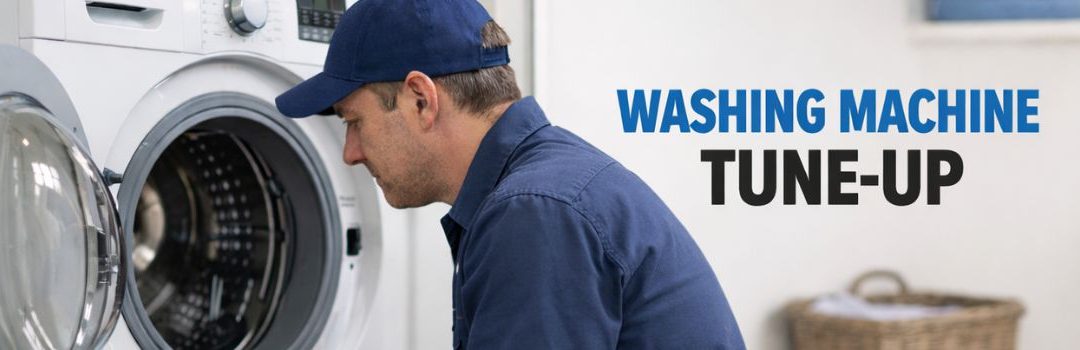
For homeowners in Langley, British Columbia, regular washing machine maintenance is essential. Keeping your washing machine in good condition not only ensures it runs efficiently but also helps prevent unexpected breakdowns. By performing routine tune-ups, you can increase the appliance’s efficiency, reduce energy and water usage, and extend its overall lifespan. Regular maintenance also helps identify small issues before they become costly repairs, saving you time and money in the long run. Incorporating smart ways for storing the washing machine when the appliance is not in use such as keeping it in a dry, well-ventilated area can further protect it from damage and moisture buildup.
Pre-Maintenance Preparation
Safety Measures
Before starting any maintenance on your washing machine, always unplug the appliance from the power source. This simple step is crucial to avoid electrical shocks or accidents during the tune-up process. Additionally, make sure the washing machine is properly earthed. Proper earthing helps prevent electrical hazards by directing any stray electricity safely into the ground, protecting both you and the appliance.
Tools and Supplies Needed
Having the right tools and supplies on hand makes the maintenance process smoother and more efficient. Essential tools include:
- Wrench
- Screwdrivers (both flathead and Phillips)
- Clean cloths or rags
- Mild detergent
- Bucket
These basic items will help you address common issues and perform routine cleaning without difficulty.
Comprehensive Washing Machine Inspection
Inspecting Hoses and Connections
Begin your inspection by checking the fill hoses for any signs of wear such as cracks, bulges, or leaks. Damaged hoses can lead to water leaks or even flooding, so it’s essential to replace them if any issues are found. Also, examine the water inlet valves to ensure they are functioning properly, allowing water to flow in and stop as needed. Don’t forget to tighten all hose clamps and connections securely to prevent any water seepage during operation.
Checking for Leaks
Look underneath and around your washing machine for any signs of water pooling. Leaks can sometimes be subtle and only appear during a wash cycle, so it’s important to observe the machine while it’s running. Testing during operation helps uncover hidden leaks that might not be visible when the machine is off. Promptly addressing leaks can prevent water damage and costly repairs.
Confirming Proper Earthing and Electrical Components
Safety is critical when dealing with electrical appliances. Verify that the washing machine is properly grounded to reduce the risk of electrical shock. Additionally, inspect the power cords for any signs of wear, fraying, or damage. Damaged cords should be replaced immediately to maintain safe operation. Ensuring all electrical components are in good condition helps keep your washing machine running safely and efficiently.
Cleaning Procedures
Cleaning Filters and Lint Traps
Regularly removing and cleaning the lint filters is essential to prevent clogging and maintain the washing machine’s efficiency. Clogged filters can lead to poor drainage and affect wash quality. Make it a habit to check these filters and clear away any lint buildup to keep your machine running smoothly.
Drum and Seal Cleaning
The drum interior and door seals are prone to accumulating mold and unpleasant odors if not cleaned properly. Wipe down the drum and the rubber seals around the door regularly using cleaning agents that are safe for washing machines. This helps in preventing mildew growth and keeps your laundry smelling fresh.
Drain Pump and Drainage System Cleaning
Debris can accumulate in the drain pump filters, obstructing proper drainage. It’s important to remove any debris from these filters periodically. Keeping the drain pump and drainage system clean ensures water flows out efficiently, preventing water backup and potential damage.
Mechanical and Functional Checks
Testing Wash Cycles and Spin Function
Start by running the washing machine through its diagnostic and regular wash cycles. Pay close attention to any unusual noises, such as grinding or squeaking, which could indicate mechanical issues. Also, observe for excessive vibrations during the spin cycle, as this might suggest an imbalance or worn components that need addressing.
Inspecting Belts and Motor Function
Examine the belts connected to the motor and drum for signs of wear, cracks, or fraying. If any damage is found, replace the belts promptly to avoid breakdowns. Additionally, check the motor’s operation by ensuring it runs smoothly without overheating or unusual sounds. A motor that struggles or gets excessively hot may require professional servicing or replacement.
Evaluating Water Level and Temperature Sensors
Confirm that the water level sensors accurately detect and adjust the water amount for each load, preventing overflows or insufficient water during cycles. Similarly, test the temperature sensors to ensure they correctly regulate water temperature, optimizing cleaning performance and protecting fabrics. Faulty sensors can lead to inefficient washing and should be repaired or replaced as needed.
Preventive Maintenance Best Practices
Frequency of Maintenance Tasks
To keep your washing machine running smoothly, it’s important to establish a routine maintenance schedule. Some tasks should be done monthly, such as cleaning the detergent drawer and checking hoses for leaks. Quarterly maintenance can include inspecting the drum and seals, while annual tasks might involve a more thorough inspection by a professional technician. Regular maintenance helps prevent unexpected breakdowns and extends the life of your machine.
Tips for Prolonging Washing Machine Lifespan
Proper use and care can significantly prolong the lifespan of your washing machine. First, avoid overloading the machine as this puts extra strain on the motor and drum, leading to premature wear. Second, always use the detergents recommended for your machine type; using the wrong detergent can cause buildup and damage. Lastly, address minor issues as soon as they arise. Small problems like leaks, unusual noises, or error messages can often be fixed easily if caught early, preventing costly repairs later on.
Troubleshooting Common Problems
Many washing machine problems can be troubleshot before calling a professional. Common issues include draining problems, persistent error codes, and unusual noises during operation. For detailed guidance on diagnosing and fixing these frequent problems. This resource offers step-by-step instructions to help you identify the root cause and determine whether professional repair is necessary.
Local Considerations for Langley Homeowners
Water Quality and Its Impact
Langley’s water quality, particularly its hardness and mineral content, plays a significant role in washing machine performance. Hard water contains high levels of minerals like calcium and magnesium, which can lead to the buildup of scale inside the machine. This buildup may reduce the efficiency of heating elements, clog hoses and valves, and cause detergent to be less effective. Over time, these issues can shorten the lifespan of your washing machine and result in less effective cleaning. Homeowners in Langley should consider testing their water hardness and, if necessary, using water softeners or detergent formulated for hard water to maintain optimal washing machine performance.
Access to Professional Repair Services
Langley residents benefit from a variety of local appliance repair services specializing in washing machine maintenance and emergency repairs. Several companies in the area offer same-day service and have technicians trained to handle common washing machine issues, from mechanical failures to electrical problems. Many of these providers also offer tune-up services tailored to the specific needs of Langley homeowners, taking local water conditions and usage patterns into account. Having reliable access to professional repair services ensures timely fixes and helps extend the life of your washing machine.
Summary and Final Recommendations
Maintaining your washing machine in the Langley area involves several key steps to ensure it runs efficiently and lasts longer. Regularly cleaning the detergent dispenser, checking and cleaning the lint trap, inspecting hoses for leaks or cracks, and leveling the machine are essential maintenance tasks. Additionally, running a monthly cleaning cycle with a washing machine cleaner helps prevent buildup and odors.
Consistently performing these tune-up steps can prevent common issues such as leaks, poor washing performance, and unpleasant smells. Keeping up with regular maintenance not only protects your investment but also ensures your laundry comes out clean and fresh every time.
Make it a habit to schedule tune-ups at least once every few months. This proactive approach will save you time and money on costly repairs and extend the life of your washing machine.

LET’S CONNECT
OPEN HOURS
Mon-Fri: 8AM-6PM
Saturday: 10AM-6PM
Sunday: 10AM-6PM
QUICK LINKS:
LET’S CONNECT
(778) 600-1787
service@langleyappliancesrepair.ca
OPEN HOURS
Mon-Fri: 8AM-6PM
Saturday: 10AM-6PM
Sunday: 10AM-6PM
QUICK LINKS:
© 2025 Langley Appliances Repair All Rights Reserved | Privacy Policy | Sitemap