

How to Handle Dishwasher Corrosion Due to Humidity Near Langley
Langley and its surrounding areas experience periods of high humidity, especially during certain seasons. This elevated moisture level in the air creates unique challenges for household appliances, particularly dishwashers. Understanding how high humidity contributes to dishwasher corrosion is essential for homeowners looking to maintain their appliances’ efficiency and lifespan.
Dishwasher corrosion is primarily caused by prolonged exposure to moisture, which accelerates the deterioration of metal components. In humid environments like Langley, this process is intensified, leading to faster wear and potential appliance failure, making timely power cord replacement an important part of maintenance. Recognizing the impact of humidity on dishwashers helps in taking preventive measures to protect these vital kitchen appliances and ensure they perform optimally over time.
Understanding Humidity and Its Effects on Dishwashers
What is High Humidity?
Relative humidity refers to the amount of moisture present in the air compared to the maximum it can hold at a given temperature. Typical indoor humidity levels range between 30% and 50%, which is generally safe for household appliances. However, when indoor humidity rises above 50%, it can start to cause damage, with levels above 60% considered critical for promoting corrosion and other moisture-related problems. Near Langley, seasonal changes and the regional climate often cause fluctuations in humidity, with higher levels during wetter months, increasing the risk of dishwasher issues.
How High Humidity Affects Dishwasher Components
Metal Corrosion and Rusting
Dishwasher components made of metal are particularly vulnerable to atmospheric corrosion, often referred to as weathering. This process occurs when moisture in the air reacts with metal surfaces, causing oxidation and rust. Corrosion rates accelerate significantly at humidity levels above 60%. Steel parts, racks, screws, and internal plumbing are especially susceptible, leading to reduced lifespan and potential mechanical failures.
Glassware Corrosion
High humidity inside dishwashers can also affect glassware. The moisture can cause corrosion on glass surfaces, resulting in visible defects such as cloudiness, iridescence, and surface deterioration. These changes not only affect the appearance but can weaken the integrity of the glass over time.
Electrical and Electronic Failures
Humidity promotes condensation inside dishwasher control boards and wiring compartments. This moisture buildup increases the risk of short circuits, electrical failures, and sudden appliance shutdowns. Such issues have been documented in humid environments where control panel corrosion and moisture-related malfunctions are common.
Mold and Microbial Growth
Persistent moisture encourages mold growth inside and around dishwashers. This not only poses health risks but can also cause secondary damage to the appliance and surrounding cabinetry. Mold infestation can lead to unpleasant odors, degraded appliance performance, and costly repairs if moisture control is not properly maintained.
Identifying Signs of Humidity-Related Dishwasher Problems
High humidity can lead to specific issues in dishwashers, especially corrosion-related problems. Recognizing these signs early can help prevent extensive damage.
Visual Cues
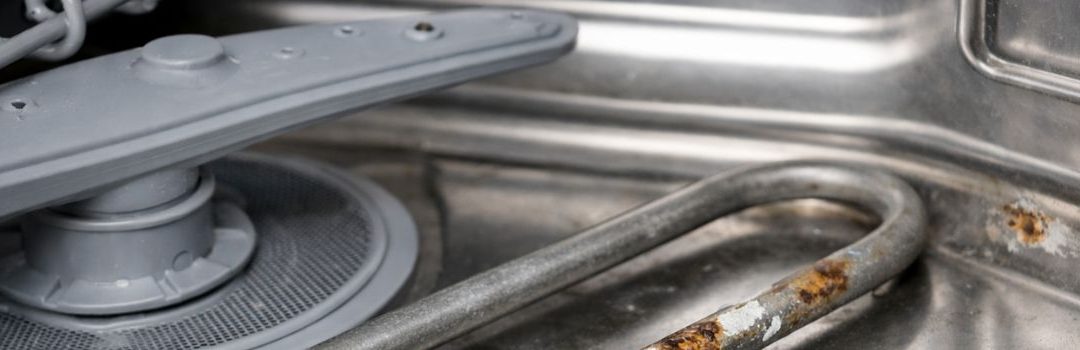
One of the most obvious indicators is the appearance of rust spots and corrosion buildup on the interior surfaces of the dishwasher. This can affect racks, spray arms, and metal components. Additionally, you may notice cloudy or spotted glassware after washing, which suggests mineral deposits or corrosion affecting the washing process.
Functional Symptoms
Dishwashers affected by excessive humidity often experience frequent electrical faults. This can manifest as error codes displayed on the control panel or completely unresponsive controls. These issues arise because moisture can interfere with the electrical components and sensors inside the appliance.
Odors and Mold Presence
A musty or moldy odor coming from the dishwasher is another important sign. High humidity creates an ideal environment for mold and mildew growth inside the dishwasher, particularly around door seals and filters. This not only affects the dishwasher’s performance but also raises health concerns.
Identifying these signs promptly is key to addressing humidity-related dishwasher problems before they worsen.
Regional Context: Why Langley is Vulnerable
Langley, located in the coastal region of British Columbia, experiences a climate characterized by high humidity levels, especially during the spring and fall months. The average relative humidity often exceeds 70%, creating an environment where moisture lingers indoors and outdoors for extended periods. This persistent humidity contributes significantly to the risk of corrosion in household appliances, including dishwashers.
Building designs in Langley commonly feature compact layouts with limited ventilation in kitchens. Many homes rely on standard exhaust fans that may not adequately remove moisture generated from cooking and dishwashing activities. This insufficient ventilation allows moisture to accumulate around appliances, increasing their exposure to damp conditions that can accelerate metal corrosion.
Popular dishwasher models in the Langley area tend to be mid-range brands that, while efficient, often use metal components vulnerable to moisture damage. Stainless steel interiors are common, but the external parts and certain internal mechanisms can corrode when exposed to persistent humidity. Models without advanced corrosion-resistant coatings or enhanced sealing are particularly susceptible to damage over time in Langley’s humid environment.
Understanding these regional factors high ambient humidity, typical ventilation shortcomings, and the prevalent dishwasher models helps explain why dishwasher corrosion problems are notably pronounced near Langley.
Preventative Measures and Solutions
Moisture Control Strategies
Controlling moisture is essential to prevent corrosion issues caused by high humidity around dishwashers. Installing dehumidifiers or improving HVAC ventilation in the kitchen can significantly reduce ambient moisture levels. Proper kitchen ventilation, including the use of exhaust fans during and after dishwasher cycles, helps expel humid air and prevent condensation buildup. Additionally, regular maintenance to inspect and repair seals and moisture barriers ensures that excess moisture does not accumulate in hidden areas.
Dishwasher Maintenance Best Practices
Routine cleaning of dishwashers is crucial to prevent mold growth and residue buildup, which can exacerbate corrosion problems. Regularly inspecting the appliance for any signs of corrosion and promptly replacing corroded parts can extend the lifespan of the dishwasher. Using water softeners where hard water is an issue, along with detergents formulated to minimize mineral deposits, helps protect internal components from damage caused by mineral buildup.
Technological Innovations and Appliance Choices
Modern dishwashers increasingly incorporate features designed to combat the effects of humidity. These include improved ventilation systems and moisture-resistant coatings that reduce corrosion risk. Choosing dishwashers made with materials that resist corrosion, such as stainless steel interiors and rust-resistant components, can provide better durability in high humidity environments near Langley.
Cost Implications and Long-Term Benefits
Corrosion caused by high humidity can lead to significant financial burdens for dishwasher owners near Langley. Repairing corrosion-related damage often involves replacing corroded parts, which can be expensive due to the specialized materials and labor required. In severe cases, the dishwasher may become irreparable, forcing owners to purchase a new appliance altogether. These costs add up quickly, making corrosion not only a maintenance issue but also a major financial concern.
Investing in effective humidity control measures and regular maintenance can substantially reduce these expenses over time. By minimizing the moisture levels around the dishwasher, corrosion risks are lowered, extending the appliance’s lifespan. Routine maintenance, such as cleaning and inspecting seals and vents, helps detect early signs of corrosion before costly damage occurs. Ultimately, spending on humidity control and preventive upkeep pays off by avoiding frequent repairs and premature replacements, offering both peace of mind and financial savings in the long run.
Conclusion
High humidity plays a significant role in accelerating dishwasher corrosion, especially in areas like Langley where moisture levels are consistently high. The presence of excessive moisture creates an environment that promotes rust and deterioration of metal components, leading to reduced appliance efficiency and a shorter lifespan.
For homeowners in Langley, implementing effective moisture control measures is essential. This includes improving ventilation, using dehumidifiers, and ensuring that the dishwasher and surrounding areas remain dry. Regular maintenance, such as cleaning filters and inspecting for early signs of corrosion, can also help prevent extensive damage.
By taking these proactive steps, Langley residents can avoid costly repairs and replacements while extending the life of their dishwashers. Addressing high humidity and corrosion early not only protects your investment but also ensures your dishwasher performs reliably for years to come.

LET’S CONNECT
OPEN HOURS
Mon-Fri: 8AM-6PM
Saturday: 10AM-6PM
Sunday: 10AM-6PM
QUICK LINKS:
LET’S CONNECT
(778) 600-1787
service@langleyappliancesrepair.ca
OPEN HOURS
Mon-Fri: 8AM-6PM
Saturday: 10AM-6PM
Sunday: 10AM-6PM
QUICK LINKS:
© 2025 Langley Appliances Repair All Rights Reserved | Privacy Policy | Sitemap