
How to Spot Washer Pump Problems in Homes Near Langley
Recognizing the early signs of washer pump failure is crucial for homeowners near Langley. Catching these warning signs promptly, along with following a washing machine alignment guide, can prevent more severe problems, saving both time and money. Ignoring these signals often leads to costly repairs, potential water damage to your home, and extended periods without a functioning washing machine.
In the Langley area, specific local climate conditions, such as high humidity and seasonal temperature fluctuations, combined with typical usage patterns, contribute to common washer pump issues. Understanding these factors helps homeowners identify problems before they escalate, ensuring their appliances remain reliable and efficient.
Understanding the Washer Pump and Its Role
The washer pump plays a crucial role in the operation of home washing machines. Its primary function is to remove water from the washer drum after the wash and rinse cycles. By pumping out the used water, it ensures that clothes are not left soaking and prepares the machine for the spin cycle, which helps in drying clothes effectively.
In homes near Langley, the most commonly used washer pumps are centrifugal pumps and diaphragm pumps. Centrifugal pumps use a spinning impeller to push water out, making them efficient for typical household washing machines. Diaphragm pumps, on the other hand, work by creating a vacuum to suck water out, and are often found in compact or portable washers.
When a washer pump fails, it directly affects the washer’s performance. Water may not drain properly, leading to standing water inside the drum. This can cause clothes to remain wet and heavy, prolonging drying time or even damaging clothing. Additionally, a faulty pump can impact the household water system by causing leaks or backups, which may result in water damage or plumbing issues if not addressed promptly.
Comprehensive Warning Signs of Washer Pump Failure
Unusual Noises During Operation
One of the earliest signs of washer pump failure is unusual noises such as grinding, knocking, or rattling during operation. These sounds often indicate internal mechanical wear, debris caught inside the pump, or motor issues. If you notice these noises, it’s important to seek a professional diagnosis promptly to prevent further damage.
Water Leaks or Drips
Leaks or drips around the pump housing, hose connections, or seals are clear warning signs. Worn seals, cracked fittings, or loose hoses can cause water to escape, leading to visible moisture. Untreated leaks may result in water damage, corrosion, and even mold growth, which can compromise both the washer and your home’s structure.
Decreased Water Pressure
If you observe reduced water pressure despite normal washer settings, it may indicate internal failures within the pump components. It’s essential to differentiate these issues from general water supply problems. A failing pump often cannot maintain the necessary pressure, which affects washing performance.
Frequent Cycling On and Off
Rapid cycling or prolonged running of the pump can signal problems such as a failing pressure tank, worn pump motor, or leaks in the distribution system. This irregular cycling not only reduces washing efficiency but also increases energy consumption and shortens the pump’s lifespan.
Visible Water Pooling or Corrosion
Water pooling near the washer base or signs of corrosion on seals, hoses, or the washer tub are serious indicators of pump failure. These conditions suggest ongoing leaks or moisture exposure that, if ignored, can lead to long-term damage requiring costly repairs.
Additional Indicators
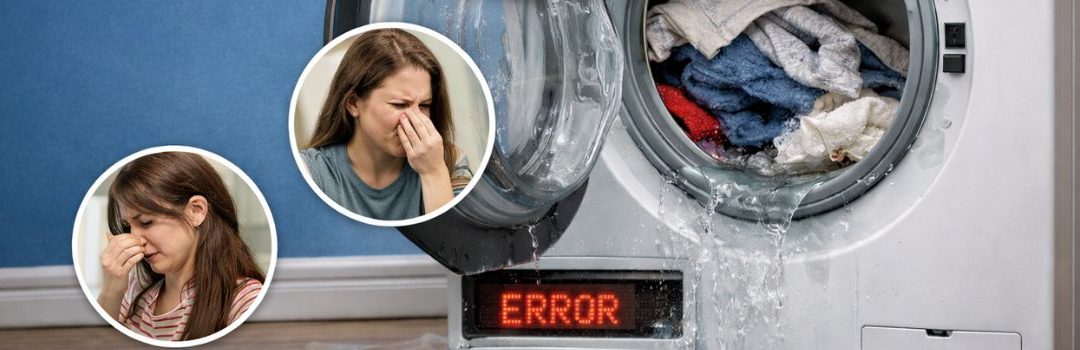
Other warning signs include an overheating pump motor or unusual odors during operation. Additionally, washers that do not drain properly or have incomplete wash cycles, as well as error codes or alerts on modern washer models, can point to pump-related issues requiring attention.
Diagnosing Washer Pump Problems
Diagnosing washer pump problems begins with a preliminary home inspection. Start by unplugging the washer to ensure safety. Check the drain hose for any kinks or blockages that could restrict water flow. Next, remove the back panel of the washer to access the pump and look for visible signs of damage or leaks.
Use basic tools like a multimeter to test the pump motor’s electrical continuity. If the multimeter shows no continuity, the pump motor is likely faulty. Additionally, listen for unusual noises during a wash cycle, such as grinding or humming, which may indicate a failing pump or debris caught inside it.
Techniques such as manually rotating the pump impeller can help determine if it is jammed or broken. If the impeller doesn’t move freely, debris might be obstructing it, or the pump could be damaged.
If these checks do not reveal a clear cause or if you feel uncomfortable performing these inspections, it is best to consult licensed appliance repair or plumbing professionals. They have the expertise and specialized tools to accurately diagnose and safely repair washer pump issues, ensuring your appliance functions properly and preventing further damage.
Impact of Local Langley Environmental Factors on Washer Pumps
The environmental conditions in Langley can significantly affect the longevity and performance of washer pumps. One of the primary concerns is water hardness. Langley’s water supply often contains high levels of minerals like calcium and magnesium, which contribute to mineral buildup inside the pump components. This buildup can cause blockages, reduce pump efficiency, and lead to premature wear or failure.
Cold temperatures in Langley also pose challenges for washer pumps. When temperatures drop, the seals within the pump may become brittle and more susceptible to cracking. Additionally, humidity levels can accelerate corrosion on metal parts, weakening the pump structure over time. These factors combined increase the risk of leaks and mechanical failure.
To protect washer pumps in Langley homes, it is recommended to install water softeners or filtration systems to reduce mineral content. Regular maintenance, including flushing the pump and checking seals for damage, can help identify issues early. Additionally, insulating water pipes and keeping laundry areas dry can minimize the impact of cold and humid conditions on the pump’s components.
Summary and Action Plan for Homeowners Near Langley
Homeowners near Langley should be vigilant about the key warning signs of washer pump failure. These include unusual noises during operation, water leakage around the machine, failure to drain properly, and error codes on the washer’s display. Regular maintenance practices such as cleaning the pump filter, inspecting hoses for blockages or damage, and ensuring the washer is level can help prevent pump issues.
Timely response to these warning signs is crucial to avoid costly water damage and extended downtime of your washing machine. Addressing problems early can save you from potential flooding, mold growth, and expensive repairs.
For professional assistance, consider contacting local appliance repair specialists in Langley who have experience with washer pumps. Additionally, reliable online resources and manufacturer manuals can provide further guidance on maintenance and troubleshooting. Staying informed and proactive ensures your washer operates smoothly and protects your home from water damage.

LET’S CONNECT
OPEN HOURS
Mon-Fri: 8AM-6PM
Saturday: 10AM-6PM
Sunday: 10AM-6PM
QUICK LINKS:
LET’S CONNECT
(778) 600-1787
service@langleyappliancesrepair.ca
OPEN HOURS
Mon-Fri: 8AM-6PM
Saturday: 10AM-6PM
Sunday: 10AM-6PM
QUICK LINKS:
© 2025 Langley Appliances Repair All Rights Reserved | Privacy Policy | Sitemap