

Why Your Washer Shakes During the Spin Cycle in Langley Homes
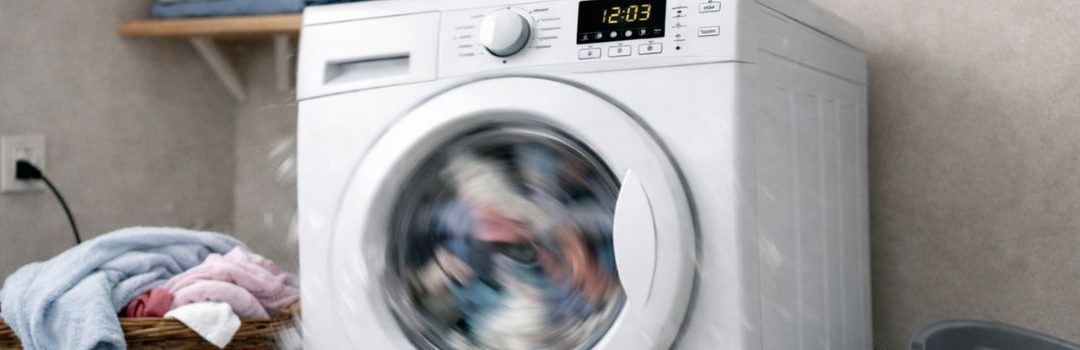
Washer shaking during the spin cycle is a common issue faced by many homeowners in the Langley area. This problem can disrupt home laundry routines by causing excessive noise, movement, and even potential damage to the washer and surrounding surfaces. When a washing machine vibrates excessively, it not only affects the performance of the appliance but can also lead to premature wear and tear.
Common Causes of Washer Shaking During Spin Cycle
Unbalanced Laundry Loads
One of the most frequent reasons washers shake during the spin cycle is an unbalanced laundry load. Heavy items like towels, blankets, or jeans tend to clump together on one side of the drum, causing an uneven distribution of weight. This imbalance forces the washer to work harder to maintain stability, resulting in vigorous shaking. To prevent this, it’s important to mix heavy and light items evenly throughout the load. Overloading the washer can also exacerbate this problem, as the drum may not have enough space to distribute clothes properly. For optimal load distribution, avoid stuffing the washer to capacity and try to balance bulky items with smaller, lighter pieces.
Mechanical Component Wear and Tear
Worn Shock Absorbers in Front-Load Washers
Shock absorbers in front-load washers play a critical role in controlling the drum’s movement during the spin cycle. When these components wear out, the drum can move excessively, leading to violent shaking and a loose feel inside the washer. Symptoms of worn shock absorbers include loud banging noises and the washer rocking more than usual. Because shock absorbers are essential for the washer’s stability, professional replacement and maintenance are necessary to ensure safe and effective operation.
Worn Suspension Rods in Top-Load Washers
Suspension rods help keep the inner tub centered in top-load washers. Over time, these rods can deteriorate or break, especially in older or heavily used machines. Signs of worn suspension rods include clunking noises during the spin cycle and an uneven or tilted inner tub. Addressing this issue typically requires inspection and replacement by a qualified technician to restore proper function and reduce shaking.
Damaged or Weak Springs and Bearings
Besides shock absorbers and suspension rods, other internal components, such as springs and bearings, contribute to the washer’s stability. Damaged or weak springs can fail to absorb vibrations effectively, while worn bearings can cause rough drum rotation. If you notice excessive noise, wobbling, or uneven spinning, these parts may need to be inspected and replaced to prevent further damage.
Improper Installation and Environmental Factors
Uneven or Weak Flooring
The type and stability of the flooring where the washer is installed significantly impact vibration levels. Uneven or weak floors can amplify shaking during the spin cycle. In Langley homes, it is recommended to place washers on reinforced, solid surfaces to minimize movement. Ensuring the floor can support the washer’s weight and absorb vibrations helps improve overall stability.
Shipping Bolts Still Installed in Front-Load Washers
Shipping bolts are used to secure the drum during transport and must be removed before use. If these bolts remain installed, they restrict drum movement and cause loud banging noises as well as excessive shaking during the spin cycle. Removing the shipping bolts is a quick and straightforward fix that can immediately reduce washer vibration.
Washer Placement and Leveling
Proper placement and leveling of the washer are crucial to minimizing shaking. If a washer is not level, it can rock and vibrate excessively during the spin cycle. Using a spirit level can help ensure the machine is perfectly balanced. Adjusting the washer’s feet to compensate for floor unevenness is a simple and effective way to reduce shaking and extend the life of your appliance.
Diagnostic Steps for Langley Homeowners
If your washer is shaking during the spin cycle, it’s important to identify the root cause to prevent further damage and ensure efficient operation. Here’s how Langley homeowners can diagnose the problem:
How to Identify the Root Cause of Washer Shaking
Start by observing when and how the shaking occurs. Does it happen only during the spin cycle? Is the shaking severe or mild? Noting these details can help narrow down potential issues, such as an unbalanced load, improper installation, or mechanical faults.
Step-by-Step Checklist to Inspect Load, Installation, and Mechanical Parts
- Check the Load Balance: Make sure the clothes are evenly distributed inside the drum. Overloading or washing a single heavy item can cause an imbalance.
- Inspect Installation Surface: Verify that the washer is placed on a flat, stable floor. Uneven flooring can lead to excessive shaking.
- Level the Washer: Use a level tool to check if the washer sits evenly. Adjust the levelling feet as needed to stabilize the machine.
- Examine Shock Absorbers: Look for worn or broken shock absorbers that can’t dampen vibrations properly.
- Inspect Suspension Springs: These springs hold the tub in place; if damaged, they can cause excessive movement.
- Check Drum Bearings: Listen for unusual noises that may indicate worn bearings, which affect the drum’s stability.
- Review Shipping Bolts: Ensure that all transit bolts used during transport have been removed, as leaving them in place can cause shaking.
Local Considerations for Langley Area Homes
When dealing with washer shaking during the spin cycle, it’s important to consider factors specific to Langley area homes.
Common Flooring Types and Impact on Washer Stability
Langley homes often feature hardwood, laminate, or tile flooring. These surfaces can affect washer stability differently. Hardwood and laminate floors may amplify vibrations if the washer is not properly leveled or if anti-vibration pads are not used. Tile floors, while generally sturdy, can sometimes lead to noise issues if the washer’s feet are uneven or if there are gaps beneath the machine. Ensuring the washer is installed on a stable, level surface is crucial to minimize shaking.
Availability of Local Professional Repair Services
Langley has a variety of professional appliance repair services specializing in washers. Homeowners can find technicians who are familiar with common washer models and issues prevalent in the area. Utilizing local experts can lead to faster diagnosis and repair, especially for problems related to washer shaking during the spin cycle. It’s advisable to choose certified professionals to ensure quality service.
Climate Considerations Affecting Washer Components and Installation
Langley’s climate, characterized by wet winters and moderate humidity, can influence washer performance. Moisture and humidity may contribute to rust or corrosion on washer components over time, potentially affecting stability during operation. Additionally, homes in Langley may require washers to be installed with consideration for ventilation and moisture control to prevent damage. Proper installation and maintenance in response to local climate conditions help maintain washer stability and longevity.
Conclusion
Washer shaking during the spin cycle in Langley homes is commonly caused by an unbalanced load, uneven flooring, or worn-out parts such as shock absorbers and suspension springs. Addressing these issues by redistributing laundry, levelling the washer, and replacing damaged components can effectively reduce or eliminate vibrations.
Timely diagnosis and regular maintenance are essential to extending the life of your washer. Ignoring persistent shaking can lead to more severe damage and costly repairs. By inspecting your machine frequently and addressing problems early, you can keep your washer running smoothly for years.
Following best practices such as not overloading the washer, ensuring it is properly levelled, and maintaining it according to the manufacturer’s guidelines helps avoid common pitfalls that lead to excessive shaking. Taking these steps will ensure safer operation and better performance of your washing machine in the Langley area

LET’S CONNECT
OPEN HOURS
Mon-Fri: 8AM-6PM
Saturday: 10AM-6PM
Sunday: 10AM-6PM
QUICK LINKS:
LET’S CONNECT
(778) 600-1787
service@langleyappliancesrepair.ca
OPEN HOURS
Mon-Fri: 8AM-6PM
Saturday: 10AM-6PM
Sunday: 10AM-6PM
QUICK LINKS:
© 2025 Langley Appliances Repair All Rights Reserved | Privacy Policy | Sitemap