

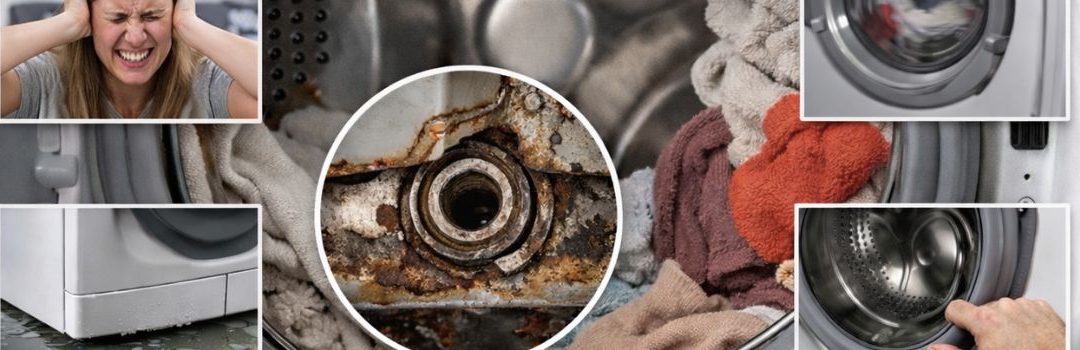
How to Spot Hidden Washer Bearing Issues Across Langley Properties
Recognizing hidden washer bearing damage is crucial for maintaining the performance and longevity of your washing machine. Bearings play a vital role in the smooth operation of the drum, allowing it to spin freely and efficiently. When these bearings start to wear out or become damaged, it can lead to a range of problems that may not be immediately obvious, such as shaking during spin cycle.
The impact of bearing damage on your washing machine can be significant. It can cause unusual noises, vibrations, and even lead to more serious mechanical failures if left unaddressed. This not only affects the quality of your laundry but can also result in costly repairs or the need for a complete replacement.
Common signs of bearing damage include loud grinding or rumbling noises during the spin cycle and excessive drum movement. However, there are also less obvious indicators such as subtle changes in washing performance, water leaks near the drum, and increased energy consumption. Being aware of these signs can help Langley property owners catch bearing issues early and prevent further damage.
Understanding Washer Bearings
Washer bearings are essential components that enable the smooth rotation of the washing machine’s drum. They support the drum shaft and reduce friction between moving parts, allowing the drum to spin efficiently during wash and spin cycles. Without properly functioning bearings, the washer drum would not operate smoothly and could cause excessive noise or damage to other parts.
There are generally two types of bearings used in washers: ball bearings and roller bearings. Ball bearings consist of small metal balls that roll between two smooth surfaces, offering low friction and durability. Roller bearings, on the other hand, use cylindrical rollers instead of balls, providing higher load capacity but slightly more friction. Most modern washers use sealed ball bearings for their balance of performance and longevity.
The condition of washer bearings directly affects the machine’s operation and efficiency. When bearings are in good shape, the drum spins freely, which leads to effective cleaning and water extraction. Damaged or worn bearings cause increased friction and noise, leading to inefficient spinning, longer cycle times, and even potential water leaks. Recognizing bearing issues early can prevent costly repairs and maintain the washer’s performance across Langley properties.
Common Signs of Hidden Washer Bearing Damage
Unusual Noises or Vibrations
One of the earliest indicators of washer bearing damage is the presence of unusual noises or vibrations during operation. These can include grinding, squealing, or humming sounds that are not typical of normal washer function. Such noises often stem from issues like misalignment, lack of lubrication, or internal bearing damage. To differentiate these from other washer noises, listen carefully during the spin cycle bearing-related sounds are usually consistent and increase in intensity with speed.
Excessive Operating Temperature
Overheating is a common symptom of bearing problems. When bearings are damaged, lubrication can break down, or improper installation can cause increased friction, leading to elevated temperatures. Prolonged overheating not only accelerates bearing wear but also poses risks to surrounding washer components, potentially causing further damage or even failure.
Visible Surface Damage or Leaks
Physical inspection may reveal signs such as pitting, flaking, or corrosion on the bearing housing. Additionally, lubricant leakage around the bearing area is a critical warning sign. Surface damage often reflects deeper internal issues within the bearing, indicating that it may no longer be functioning properly and might fail if left unaddressed.
Increased Energy Consumption or Load
Damaged bearings create extra resistance, which results in increased energy consumption. This additional drag forces the washer’s motor to work harder, leading to higher utility bills and reduced efficiency. Monitoring your washer’s energy usage can be an effective method for early detection of bearing degradation before more severe problems develop.
Unexpected Performance Fluctuations
Washer bearing damage can cause inconsistent washing cycles, irregular spinning, or load imbalances. These performance fluctuations occur because the damaged bearing disrupts the mechanical function and balance of the washer drum. If you notice your washer behaving erratically or not completing cycles smoothly, the bearings could be the underlying cause.
Additional Indicators and Advanced Symptoms
Unusual Washer Movement
One clear sign of hidden washer bearing damage is excessive shaking or wobbling during spin cycles. As the bearing wears down, it affects the drum’s stability, causing the washer to move more than usual. This instability not only disrupts the washing process but can also lead to further mechanical issues if not addressed promptly.
Water Leakage and Mold Growth
Bearing failure often results in damage to the washer’s seals, which can cause water to leak from the machine. This leakage may go unnoticed initially but can cause water damage to surrounding components and the property itself. Over time, persistent moisture promotes mold growth, posing health risks and increasing repair costs.
Odor and Heat Emission
A burning smell or noticeable heat around the base of the washer is a serious indicator of severe bearing friction. This friction generates excessive heat, which can damage the washer further and even become a safety hazard. Detecting these symptoms early is crucial to prevent potential fire risks and extensive appliance damage.
Causes of Washer Bearing Damage
Washer bearings are crucial components that enable smooth rotation and operation. However, several factors can lead to their damage, affecting the overall performance of your washer.
Lack of Maintenance and Lubrication
Proper maintenance and lubrication are essential to keep washer bearings functioning correctly. Without regular lubrication, the bearings can dry out, increasing friction and wear. Over time, this leads to overheating and eventual failure.
Exposure to Water and Moisture Leading to Corrosion
Washers operate in environments with frequent exposure to water and moisture. If the bearings are not adequately sealed or protected, this exposure can cause corrosion. Corroded bearings lose their smooth surface, which increases friction and accelerates damage.
Overloading and Mechanical Stress
Putting excessive load or weight on your washer can place undue mechanical stress on the bearings. Overloading causes the bearings to bear forces beyond their design limits, leading to deformation, wear, and premature failure.
Installation Errors and Manufacturing Defects
Incorrect installation of bearings or defects originating from manufacturing can also cause early damage. Misaligned bearings, improper fitting, or substandard materials compromise the bearing’s integrity, reducing its lifespan and performance.
Understanding these causes helps in preventing washer bearing damage and maintaining the efficiency of your appliance.
Diagnostic Techniques for Langley Property Owners
Identifying hidden washer bearing damage early can save Langley property owners time and money. Using the right diagnostic techniques helps spot issues before they worsen.
Routine Inspection Checklists
Regular inspections are the first line of defense. Check for unusual noises, excessive vibration, or any wobbling during the washer’s spin cycle. Look for signs of rust, grease leakage, or worn-out seals around the bearing area. Keeping a checklist ensures that no critical areas are overlooked during your routine maintenance.
Using Thermal Cameras or Infrared Thermometers to Detect Heat
Bearing damage often leads to increased friction, which generates heat. Thermal cameras or infrared thermometers can detect abnormal temperature rises in the washer bearings. By scanning the bearing area during or after a wash cycle, you can identify hotspots that indicate potential problems even before physical symptoms appear.
Vibration Analysis Tools and Smartphone Apps
Excessive vibration is a common symptom of bearing wear. Vibration analysis tools, including some smartphone apps, can measure the intensity and frequency of vibrations. These tools help quantify irregular movements, making it easier to assess the severity of bearing damage and determine if repairs are necessary.
Repair and Replacement Options
When dealing with hidden washer bearing damage, the first step is to assess whether repair or replacement is the best course of action. Minor bearing wear might be resolved through repair, such as cleaning and lubricating the bearings. However, if the bearings show significant damage, corrosion, or wear, replacement is often necessary to restore washer functionality and prevent further damage.
Choosing between professional service and a DIY approach depends on several factors. Professional repair services typically offer thorough diagnostics, quality parts, and skilled labor, ensuring a long-lasting fix. While the upfront cost is higher, it reduces the risk of improper installation or missed signs of damage. On the other hand, DIY repairs can save money but require technical knowledge and the right tools. Mistakes during DIY repairs may lead to more extensive damage and higher costs in the long run.
Timely repair or replacement of damaged washer bearings can significantly extend the lifespan of the appliance. Ignoring bearing issues often leads to more severe problems such as drum misalignment or motor strain, which can result in costly repairs or the need for a complete washer replacement. Addressing bearing damage early ensures smoother operation, reduces noise, and maintains the efficiency of your washer, ultimately saving money and inconvenience over time.
Environmental and Economic Impact
Inefficient washers with damaged bearings consume more energy, significantly affecting Langley properties’ overall energy usage. When bearings are compromised, washers operate less smoothly, requiring more power to function and leading to higher electricity bills. This inefficiency not only strains household budgets but also contributes to increased energy demand in the area.
Ignoring bearing damage in washers can result in costly repairs or even the need for full appliance replacement. The financial burden goes beyond immediate repair costs; prolonged neglect often causes secondary damage to other washer components, escalating expenses. Property owners may find themselves facing unexpected repair bills that could have been avoided with timely attention.
Regular maintenance of washers, including bearing inspections and repairs, offers clear benefits for both sustainability and cost savings. Well-maintained washers run efficiently, reducing energy consumption and lowering utility costs. Additionally, extending the lifespan of washers through proper upkeep minimizes waste and the environmental impact associated with manufacturing and disposing of appliances. Investing in maintenance is a practical way to support environmental responsibility while protecting property finances in Langley.
Case Studies: Bearing Damage in Langley Properties
In several Langley properties, hidden bearing damage has led to significant issues that initially went unnoticed. For example, a residential building experienced unusual noises emanating from the laundry room machines. Upon closer inspection, technicians discovered that the washer bearings were severely worn, causing vibration that eventually damaged the surrounding flooring. Early signs were missed due to the noise being attributed to normal wear and tear.
In another case, a commercial property faced frequent washer breakdowns. The root cause was traced back to hidden bearing damage that had progressed unnoticed. This led to costly repairs and interrupted business operations until a thorough bearing inspection was conducted.
On a positive note, some Langley property owners have successfully detected bearing damage before it escalated. One property manager implemented regular maintenance checks, identifying subtle bearing wear through vibration analysis. Timely bearing replacement prevented machine failure and avoided further property damage.
Another success story involves a tenant who reported a faint humming noise in their washer. Maintenance staff promptly investigated and found early-stage bearing damage. Rapid repair ensured the washer’s longevity and maintained the property’s appliance reliability.
These examples highlight the importance of vigilance in detecting hidden bearing damage to prevent costly repairs and maintain property integrity.
Conclusion
Hidden washer bearing damage can often go unnoticed until it causes significant problems. The critical signs to watch for include unusual noises during operation, excessive vibration, leaks, and inconsistent washer performance. Recognizing these symptoms early is essential to prevent further damage, costly repairs, and potential safety hazards.
Early detection and regular maintenance play a vital role in extending the life of your washer bearings. Addressing issues promptly not only saves money but also ensures your appliances run efficiently and reliably.
For Langley property owners, staying vigilant about these warning signs is crucial. Routine checks and timely action can protect your investment and maintain the comfort and convenience of your home.

LET’S CONNECT
OPEN HOURS
Mon-Fri: 8AM-6PM
Saturday: 10AM-6PM
Sunday: 10AM-6PM
QUICK LINKS:
LET’S CONNECT
(778) 600-1787
service@langleyappliancesrepair.ca
OPEN HOURS
Mon-Fri: 8AM-6PM
Saturday: 10AM-6PM
Sunday: 10AM-6PM
QUICK LINKS:
© 2025 Langley Appliances Repair All Rights Reserved | Privacy Policy | Sitemap