
How Overcooling Affects the Life Expectancy of Refrigerators in Langley
Refrigerators typically have a life expectancy ranging from 10 to 20 years, depending on the brand, model, and maintenance. Understanding how long your refrigerator is likely to last is essential for planning replacements and avoiding unexpected breakdowns.
One common problem that can affect the lifespan of a refrigerator is overcooling. Overcooling occurs when the appliance cools beyond the desired temperature, causing excessive energy consumption and potential damage to food and internal components. Recognizing and addressing overcooling issues early can help extend the life of your refrigerator, along with maintenance tips for fridges that run too cold.
In Langley, specific climate factors and usage patterns can contribute to unique challenges with refrigeration. The region’s moderate but variable temperatures, combined with typical household habits, may influence how often refrigerators experience overcooling and how quickly they wear out. Considering these local conditions is crucial when evaluating the life expectancy of refrigerators with overcooling problems in Langley.
Understanding Refrigerator Lifespan
Average Life Expectancy of Refrigerators
Refrigerators typically last between 10 to 18 years. This range can vary widely depending on factors such as the brand, model, and type of the appliance. For example, common refrigerator types include top-freezer, bottom-freezer, French door, and side-by-side models, each with different durability profiles and lifespans. Some brands may offer more reliable components, while certain designs can influence how long the refrigerator performs efficiently.
Key Components Affecting Longevity
The compressor is the heart of a refrigerator and plays a crucial role in its longevity. As the central component responsible for circulating refrigerant and maintaining cooling, the quality and condition of the compressor directly affect the appliance’s lifespan.
In addition to the compressor, other parts such as the thermostat, fans, and condenser coils are critical. These components help regulate temperature and airflow, and their proper function is essential for efficient operation and extended service life.
Factors Influencing Refrigerator Lifespan
Several factors determine how long a refrigerator will last. The quality of the compressor and other internal components is fundamental. Higher-quality parts generally lead to a longer lifespan.
Environmental conditions also play a significant role. Refrigerators used in warmer or more humid climates may experience more strain, potentially shortening their lifespan.
Usage patterns and maintenance are equally important. Regular cleaning of condenser coils, timely repairs, and avoiding overstocking help maintain efficiency. Overstocking the refrigerator can obstruct airflow, causing the appliance to work harder and reducing its longevity.
Overcooling Issues: Definition, Causes, and Effects
What is Overcooling in Refrigerators?
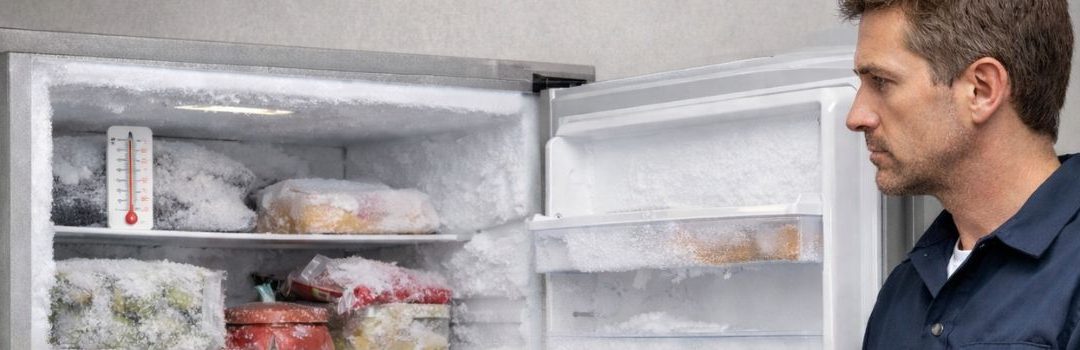
Overcooling in refrigerators refers to a condition where the appliance cools beyond the set temperature, leading to temperature irregularities inside the unit. Instead of maintaining a consistent, optimal temperature, the refrigerator becomes excessively cold. Symptoms of overcooling include frost buildup on shelves and walls, freezing of liquids that are not supposed to freeze, and food items becoming overly hard or frozen when they should remain fresh.
Common Causes of Overcooling
Several factors can cause overcooling in refrigerators:
- Faulty Thermostats and Sensors: When thermostats or temperature sensors malfunction, they may fail to accurately detect the internal temperature, causing the fridge to continue cooling unnecessarily.
- Malfunctioning Compressors and Overloading: A compressor that does not cycle off properly or runs continuously can lead to overcooling. Overloading the refrigerator can also cause the compressor to work harder and longer, contributing to temperature drops beyond the desired level.
- Electrical Issues and Wiring Problems: Faulty wiring or electrical components can disrupt the control systems responsible for regulating temperature, resulting in overcooling.
- Poor Maintenance and Clogged Condenser Coils: Lack of regular cleaning can cause condenser coils to become clogged with dust and debris, forcing the refrigerator to work harder and sometimes operate inefficiently, which may lead to overcooling.
Effects of Overcooling on Refrigerator Performance
Overcooling negatively impacts both the efficiency and lifespan of refrigerators:
- Increased Energy Consumption: When a refrigerator cools excessively, it uses more electricity, leading to higher energy bills.
- Accelerated Wear and Tear on Components: Continuous overcooling strains parts such as the compressor and fans, causing them to wear out faster and potentially leading to costly repairs.
- Food Spoilage and Freezing of Items Meant to Stay Fresh: Overcooling can freeze food items that are not intended to be frozen, ruining their texture and taste, and ultimately causing food waste.
Impact of Overcooling on Refrigerator Life Expectancy in Langley
Environmental Considerations in Langley
Langley’s climate plays a significant role in how refrigerators operate and age. The region experiences moderate to high humidity levels combined with temperature fluctuations throughout the year. These environmental factors can affect a refrigerator’s efficiency and its internal components. High humidity, for example, can cause condensation inside the unit, which may lead to corrosion or mold growth if not properly managed. Temperature swings further challenge the refrigerator’s ability to maintain a steady internal climate, often causing it to work harder.
How Overcooling Accelerates Component Failure
Overcooling forces the refrigerator’s compressor to operate more frequently and for longer periods. This increased strain can lead to premature compressor failure, one of the most costly repairs in refrigeration units. Besides the compressor, electrical components are also affected by the constant cycling triggered by overcooling. The repetitive start-stop cycles can degrade wiring, relays, and control boards over time.
Additionally, overcooling increases maintenance frequency and costs. Homeowners may notice frost buildup, inconsistent temperatures, and increased energy bills, all indicators that the refrigerator is struggling. Addressing these issues early can prevent more severe damage but often requires regular servicing.
Case Studies and Observations
In Langley households, anecdotal reports suggest that refrigerators exhibiting overcooling problems tend to have shorter lifespans compared to those operating within normal temperature ranges. Many users report needing repairs such as compressor replacements or electrical fixes within 5 to 7 years, whereas properly functioning refrigerators often last beyond 10 years.
Comparisons between units with and without overcooling issues highlight the impact of this problem on longevity. Refrigerators without overcooling tend to maintain consistent temperatures, consume less energy, and require fewer repairs, contributing to an extended service life.
Maintenance and Troubleshooting Overcooling to Extend Lifespan
Regular Maintenance Practices
Proper maintenance is essential to prevent and manage overcooling issues in refrigerators, thereby extending their lifespan. One key practice is cleaning the condenser coils regularly. Dust and debris accumulation on these coils reduce efficiency, causing the refrigerator to work harder and sometimes overcool the interior. Additionally, checking and replacing faulty thermostats can help maintain the correct temperature settings. A malfunctioning thermostat often leads to excessive cooling. Ensuring that door seals are intact and the refrigerator is well-ventilated is equally important, as damaged seals or blocked vents can cause temperature inconsistencies and overworking of the cooling system.
Diagnosing Overcooling Problems
Diagnosing overcooling effectively requires monitoring the refrigerator’s internal temperature with a reliable temperature gauge. This helps identify if the temperature consistently falls below the recommended range. Furthermore, unusual noises or irregular compressor behavior can be indicators of overcooling issues. For example, a compressor running constantly or making strange sounds may signal a malfunction that leads to excessive cooling. Early diagnosis through these methods can prevent further damage and costly repairs.
Professional Repair vs. Replacement Decisions
Deciding between repairing an overcooled refrigerator or replacing it depends on several factors. Signs that replacement may be necessary include frequent breakdowns, high energy bills, and repair costs approaching the price of a new unit. Conducting a cost-benefit analysis is crucial; if repairs are minor and infrequent, fixing the appliance can extend its life effectively. However, if overcooling issues persist despite repairs, investing in a new refrigerator might be more economical in the long run.
Best Practices for Refrigerator Use in Langley to Prevent Overcooling
Optimal Temperature Settings
Maintaining the right temperature settings is crucial to prevent overcooling in refrigerators. For the fridge compartment, the ideal temperature range is between 37°F (3°C) and 40°F (4°C). For the freezer, the recommended range is 0°F (-18°C). Setting temperatures lower than these ranges can cause the refrigerator to work harder than necessary, leading to overcooling, increased wear, and higher energy consumption.
Managing Refrigerator Load
Properly managing the load inside your refrigerator is essential to maintain good airflow and efficiency. Overstocking the fridge can block vents and restrict air circulation, causing uneven cooling and forcing the appliance to overcompensate by overcooling certain areas. To avoid this, keep your refrigerator organized and avoid packing items too tightly. This helps maintain consistent temperatures and reduces the risk of overcooling issues.
Energy Efficiency Considerations
Using energy-efficient refrigerator models can significantly reduce utility costs and help prevent overcooling. These models are designed to maintain stable temperatures without excessive cooling cycles. Overcooling not only shortens the lifespan of your refrigerator but also increases electricity consumption, leading to higher utility bills. Choosing an appliance with a good Energy Star rating and practicing proper maintenance can optimize energy use and prevent unnecessary overcooling.
Future Outlook and Innovations
Technological Advances in Refrigeration
Advancements in refrigeration technology are increasingly focused on addressing common issues like overcooling, which can shorten a refrigerator’s lifespan. One significant innovation is the integration of smart thermostats and sensors. These devices monitor temperature more precisely and adjust cooling cycles to prevent overcooling, thereby maintaining optimal internal temperatures and reducing wear on components.
Additionally, manufacturers are developing compressors with enhanced durability. These improved compressors are built to withstand frequent cycling and temperature fluctuations, common causes of mechanical failure. As a result, refrigerators equipped with these advanced compressors tend to have longer operational lives, even in environments prone to overcooling problems.
Sustainable Practices and Eco-Friendly Refrigerators
Sustainability is becoming a core focus in refrigerator design. Modern refrigerators now commonly feature energy-saving technologies such as improved insulation, variable-speed compressors, and adaptive defrost cycles. These features minimize energy consumption, which is especially important in reducing the environmental footprint over the appliance’s lifetime.
Extending the lifespan of refrigerators through such innovations not only reduces the frequency of replacement but also lessens the environmental impact associated with manufacturing and disposal. By increasing durability and energy efficiency, eco-friendly refrigerators contribute to both cost savings for consumers in Langley and a reduction in overall energy usage and waste.
Conclusion
Overcooling in refrigerators can significantly reduce their lifespan by causing excessive wear on components like the compressor and seals. This issue leads to increased energy consumption and potential mechanical failures, ultimately shortening the effective life of the appliance.
Regular maintenance and timely intervention are crucial to prevent overcooling problems. Checking temperature settings, cleaning condenser coils, and addressing any unusual noises or frost buildup early can help sustain optimal performance and extend the refrigerator’s lifespan.
For residents of Langley, it is especially important to be proactive due to the region’s climate and energy costs. Scheduling routine inspections with local appliance repair services and ensuring proper ventilation around the refrigerator can mitigate overcooling risks. Taking these steps helps protect your investment and ensures your refrigerator remains efficient and reliable for years.

LET’S CONNECT
OPEN HOURS
Mon-Fri: 8AM-6PM
Saturday: 10AM-6PM
Sunday: 10AM-6PM
QUICK LINKS:
LET’S CONNECT
(778) 600-1787
service@langleyappliancesrepair.ca
OPEN HOURS
Mon-Fri: 8AM-6PM
Saturday: 10AM-6PM
Sunday: 10AM-6PM
QUICK LINKS:
© 2025 Langley Appliances Repair All Rights Reserved | Privacy Policy | Sitemap