

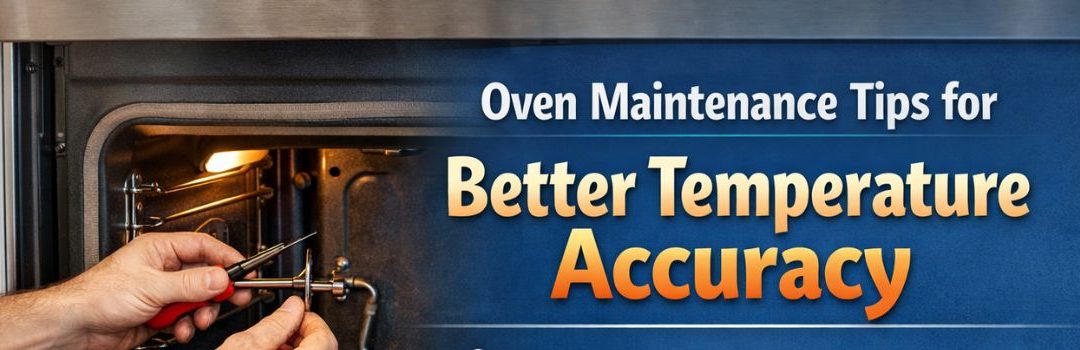
Simple Oven Care Tips to Improve Temperature Accuracy in Langley
Accurate oven temperature is crucial for successful cooking and baking. When your oven maintains the correct temperature, recipes turn out as expected, with even cooking and proper texture. However, ovens that run too hot or too cold can cause a variety of issues, such as undercooked dishes, burnt edges, or uneven baking results.
Common problems stemming from inaccurate oven temperatures, including common smart oven problems, include inconsistent cooking times, food that is either raw inside or overdone outside, and wasted ingredients. These issues not only affect the quality of your meals but can also lead to frustration in the kitchen.
Fortunately, regular oven maintenance can significantly improve temperature accuracy and overall oven performance. By following practical maintenance tips, you can ensure your oven heats evenly and reliably, making your cooking and baking experiences more successful and enjoyable.
Understanding Oven Temperature Accuracy
Why Oven Temperature Accuracy Matters
Accurate oven temperature is crucial for achieving consistent cooking results and maintaining food quality. When the oven temperature deviates from the set point, food can be undercooked or overcooked, affecting texture, taste, and safety. For example, baked goods may not rise properly, and meats might not reach safe internal temperatures, leading to unsatisfactory meals.
In addition to cooking results, temperature accuracy also impacts energy efficiency. An oven that runs too hot or too cold may cycle on and off more frequently, using more energy than necessary. This not only increases utility bills but also contributes to unnecessary wear and tear on the oven components.
Common Causes of Temperature Inaccuracy
Several factors can cause an oven to have inaccurate temperatures:
- Faulty thermostat or heating elements: If the thermostat is malfunctioning, it may not correctly regulate the oven’s temperature. Similarly, damaged or worn heating elements can cause uneven or incorrect heating.
- Poor door seal and heat loss: A damaged or worn door gasket allows heat to escape, causing temperature fluctuations inside the oven. This heat loss forces the oven to work harder to maintain the set temperature.
- Dirt and residue buildup affecting heat distribution: Grease, food particles, and other debris can accumulate inside the oven, interfering with proper heat circulation. This buildup can cause hot spots or cool areas, leading to inconsistent cooking temperatures.
Maintaining your oven by checking these common issues can help ensure more accurate temperature control and better cooking results.
Essential Tools for Monitoring Oven Temperature
Oven Thermometers
Oven thermometers are crucial tools for ensuring your oven maintains the correct temperature. There are several types available, including analog dial thermometers, digital thermometers, and probe thermometers. When choosing one, consider factors like ease of reading, accuracy, and durability. Analog dial thermometers are simple and reliable, while digital models often provide more precise readings.
To use an oven thermometer effectively, place it in the center of the oven where it can measure the temperature accurately without touching the oven walls or racks. Allow the thermometer to stabilize for about 10 to 15 minutes before checking the reading. Regularly monitor your oven’s temperature to identify any discrepancies between the set temperature and the actual heat inside.
Consistent temperature checks with an oven thermometer help you maintain better cooking results by preventing undercooked or overcooked food. It also aids in timely oven calibration, extending the lifespan of your appliance and saving energy. Regular monitoring is a simple yet effective step in achieving accurate oven temperatures and improving overall cooking performance.
Calibration Techniques for Accurate Oven Temperatures
Step-by-Step Calibration Process
- Checking Oven Temperature Using a Thermometer
Begin by placing an oven-safe thermometer inside your oven, ideally in the center of the middle rack. Preheat the oven to a set temperature, such as 350°F (175°C), and let it stabilize for at least 15 to 20 minutes. Compare the thermometer reading with the oven’s set temperature to identify any discrepancies. - Adjusting the Thermostat According to Manufacturer Instructions
If you find a difference between the thermometer reading and the oven setting, consult your oven’s user manual for guidance on adjusting the thermostat. Many ovens have a calibration dial or a digital adjustment feature that lets you increase or decrease the temperature to better match the actual heat inside. - When to Seek Professional Calibration Services
If you are unable to adjust the oven temperature accurately on your own, or if the temperature variations persist after manual calibration, it is advisable to contact a professional technician. They can perform a precise calibration and check for any underlying issues that may affect temperature accuracy.
Frequency of Calibration
To maintain consistent oven performance and accurate temperatures, regular recalibration is essential. It is generally recommended to calibrate your oven every 6 months or whenever you notice irregular baking results or temperature inconsistencies. Following this schedule helps ensure reliable cooking outcomes and prolongs the life of your appliance.
Routine Oven Maintenance Practices
Regular Cleaning
Regular cleaning of your oven’s interior is essential to maintain accurate temperature control. Residue buildup from food spills and grease can absorb heat unevenly, causing temperature fluctuations and affecting cooking performance. To clean safely and effectively, use non-abrasive cleaning products specifically designed for ovens. Avoid harsh chemicals that can damage oven surfaces or leave harmful residues. For best results, follow manufacturer-recommended cleaning methods and products.
Inspecting and Maintaining Door Seals
The condition of your oven’s door gasket plays a crucial role in heat retention. A damaged or worn door seal allows heat to escape, making it harder for the oven to maintain a consistent temperature. Regularly inspect the door seals for cracks, tears, or flattening. You can test the seal’s effectiveness by closing the door on a piece of paper; if the paper slips out easily, the gasket may need replacement. Replacing faulty door seals promptly helps ensure your oven retains heat efficiently, improving temperature accuracy.
Proper Rack Positioning
How you position racks inside your oven impacts heat circulation and cooking consistency. Placing racks too close to heating elements can cause uneven cooking or hotspots, while improper spacing can disrupt air flow. Position racks according to the recipe or manufacturer’s instructions to promote even heat distribution. Proper rack placement allows hot air to circulate freely around the food, supporting better temperature accuracy and consistent results.
Advanced Maintenance Tips
Monitoring Heating Elements
Heating elements are crucial for maintaining consistent oven temperatures. Over time, these elements can show signs of wear or damage, such as visible cracks, uneven heating, or the oven taking longer to reach the desired temperature. Regularly inspect the heating elements for any discoloration or physical defects. If you notice any issues, it’s important to replace the defective elements promptly. Replacing faulty heating elements ensures even heat distribution, which directly impacts the accuracy of your oven’s temperature.
Vent and Airflow Maintenance
Proper airflow within your oven is essential for accurate temperature regulation. Vents allow heat to circulate evenly, preventing hot or cold spots. Make it a habit to keep the vents clean and unobstructed. Remove any debris, grease, or buildup that could block airflow. Regular cleaning helps maintain optimal ventilation, ensuring your oven maintains a consistent temperature throughout the cooking process.
Energy Efficiency and Longevity
How Maintenance Improves Oven Lifespan
Consistent oven maintenance plays a crucial role in extending the lifespan of your appliance. Regularly cleaning and inspecting your oven helps prevent the buildup of grease, food debris, and other residues that can cause overheating or damage to internal components. Addressing small issues early through routine maintenance can prevent costly repairs down the line, ensuring your oven continues to perform reliably for years to come.
Saving Energy Through Accurate Temperature Control
Maintaining accurate oven temperatures is essential for energy efficiency. When an oven’s thermostat is off or the heating elements are not functioning properly, the oven may cycle on and off more frequently or run longer than necessary to reach the set temperature. This results in wasted energy and higher utility bills. By ensuring your oven heats to the correct temperature consistently, you reduce energy consumption and promote more efficient cooking. Proper maintenance, including calibration and cleaning, helps your oven maintain precise temperature control, which directly contributes to saving energy.
Troubleshooting Common Oven Temperature Issues
Oven Runs Too Hot or Too Cold
If your oven is running too hot or too cold, the first step is to diagnose the possible causes. Common reasons include a faulty thermostat, inaccurate temperature sensor, or a broken heating element. Sometimes, the oven door seal may be damaged, causing heat to escape and resulting in temperature fluctuations.
For a quick fix, try recalibrating your oven’s thermostat if your model allows it. You can also check the door seal for any visible damage and replace it if necessary. Using an oven thermometer can help you monitor the true temperature inside the oven.
If these steps don’t resolve the issue, it’s best to call a professional technician. They can inspect and replace faulty components like the thermostat or heating element to ensure your oven maintains accurate temperatures.
Uneven Cooking or Hot Spots
Uneven cooking or hot spots in your oven often result from issues with the oven’s heating elements or poor airflow. A damaged or partially working heating element can cause certain areas to get hotter than others. Additionally, blocked or malfunctioning convection fans can prevent heat from circulating evenly.
To correct uneven cooking, start by inspecting the heating elements for any visible damage or wear. Replace any defective parts as needed. Make sure the oven racks are positioned correctly to allow proper air circulation. If your oven has a convection feature, ensure the fan is working properly and clean any debris that might be obstructing airflow.
Regular maintenance like cleaning the interior and checking seals can also help reduce hot spots and improve overall cooking consistency.
Local Resources and Services in Langley
For residents in Langley looking to maintain or calibrate their ovens for better temperature accuracy, there are several reliable local resources and services available.
Professional Oven Calibration and Maintenance
Langley offers specialized services for oven calibration to ensure your appliance heats correctly and consistently. Companies like Langley Appliance Calibration Services provide expert technicians who use precise instruments to adjust your oven’s thermostat and heating elements. Regular calibration helps prevent uneven cooking and extends the life of your oven.
Recommended Local Appliance Repair Services
If your oven requires repair or maintenance beyond calibration, consider the following trusted appliance repair companies in Langley:
- Precision Appliance Repair Langley: Known for prompt and thorough service, they handle everything from oven repairs to full maintenance checks.
- Langley Home Appliance Services: Offers comprehensive oven repair services, including temperature sensor replacement and heating element fixes.
- Reliable Appliance Care: Specializes in all major brands and provides both repair and preventive maintenance to keep your oven functioning optimally.
Utilizing these local services can help ensure your oven maintains accurate temperatures, improving cooking results and appliance longevity.
Conclusion
Maintaining your oven for better temperature accuracy involves several key practices. Regularly calibrate your oven’s thermostat to ensure it heats to the correct temperature. Use an oven thermometer to monitor actual heat levels rather than relying solely on built-in settings. Keep the oven clean, especially removing any food residue or grease that can affect heat distribution. Inspect and maintain door seals to prevent heat from escaping, which can cause temperature fluctuations. Additionally, avoid overcrowding the oven and allow proper preheating time for consistent cooking results.
Implementing these maintenance tips with regular monitoring and care will improve your oven’s performance and lead to better, more reliable cooking outcomes. Consistency in temperature accuracy not only enhances food quality but also extends the lifespan of your oven.

LET’S CONNECT
OPEN HOURS
Mon-Fri: 8AM-6PM
Saturday: 10AM-6PM
Sunday: 10AM-6PM
QUICK LINKS:
LET’S CONNECT
(778) 600-1787
service@langleyappliancesrepair.ca
OPEN HOURS
Mon-Fri: 8AM-6PM
Saturday: 10AM-6PM
Sunday: 10AM-6PM
QUICK LINKS:
© 2025 Langley Appliances Repair All Rights Reserved | Privacy Policy | Sitemap