

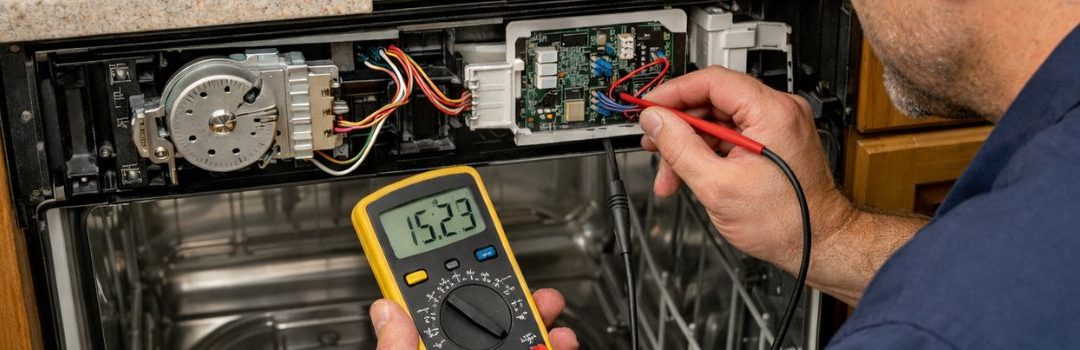
Fast and Trusted Dishwasher Timer and Control Fixes for Langley Residents
In Langley households, maintaining a dishwasher is essential for ensuring efficient and reliable kitchen operations. Dishwashers save time and effort, but like any appliance, they require regular upkeep and advanced internal pipe cleaning to function properly. One of the critical aspects of dishwasher maintenance involves the timer and control cycle components, which regulate the washing process.
Common problems with dishwasher timers and control cycles include delayed or incomplete cycles, failure to advance through wash stages, and unresponsive controls. These issues can lead to dishes not being cleaned properly or the appliance stopping mid-cycle, causing inconvenience and potential water damage.
Timely and professional repair services for dishwasher timers and control cycles offer several benefits. They help restore the appliance’s functionality quickly, prevent further damage, and extend the dishwasher’s lifespan. By addressing these problems promptly, Langley residents can maintain the efficiency and reliability of their dishwashers, ensuring a hassle-free kitchen experience.
Understanding Dishwasher Timer and Control Cycle Systems
What Are Dishwasher Timers and Control Cycles?
Dishwasher timers and control cycles are essential components that manage the operation of your dishwasher. The timer acts as the dishwasher’s internal clock, regulating the duration and sequence of each wash cycle. It ensures that the dishwasher runs through various stages such as washing, rinsing, and drying for the correct amount of time.
Control cycles refer to the programmed sequences that determine how the dishwasher functions during each phase of the cleaning process. This includes controlling water temperature, spray intensity, and drying methods. Together, timers and control cycles optimize the dishwasher’s performance, ensuring dishes come out clean and the appliance runs efficiently.
Key Components Involved
Dishwasher timers can be either mechanical or electronic. Mechanical timers use gears and cams to track time and switch between cycles, while electronic timers rely on circuit boards and digital controls for more precise management.
Control boards are the central hub for the dishwasher’s operations, interpreting signals from various sensors to adjust wash parameters accordingly. Sensors monitor factors such as water temperature, soil level, and door position to help the control board make real-time decisions that improve cleaning effectiveness and energy efficiency.
In Langley, many common dishwasher models, including popular Samsung units, use advanced electronic timers and control boards. These systems allow for customizable cycles and enhanced troubleshooting capabilities, making repair and maintenance more specialized but also more reliable when serviced by experienced technicians.
Common Issues with Dishwasher Timers and Control Cycles
Symptoms of Timer and Control Cycle Failures
Dishwasher timer and control cycle problems often manifest in several noticeable ways. One common symptom is the dishwasher not starting or stopping correctly, which can leave dishes either unwashed or overwashed. Another issue is incomplete cycles or repeated cycles, where the machine may stop mid-cycle or run the same phase multiple times without progressing. Additionally, delays or irregularities in the wash phases are frequent signs of timer or control cycle malfunctions, causing the dishwasher to run longer than usual or skip important stages.
Causes of Malfunctions
These issues typically stem from various underlying causes. Wear and tear of mechanical parts is a primary reason, as constant use can degrade the timer mechanism over time. Electronic component failures also play a significant role, especially in modern dishwashers that rely on circuit boards and sensors to control cycles. Lastly, electrical issues and wiring faults can disrupt the timer’s function, leading to erratic behavior or complete failure of the control cycle system.
Diagnosing Dishwasher Timer and Control Cycle Problems
Step-by-Step Diagnostic Procedures
Diagnosing issues with a dishwasher’s timer and control cycle begins with a thorough visual inspection. Look for any obvious signs of damage, loose connections, or burnt components on the control board. Many modern dishwashers also display error codes that can point directly to timer or control issues. Refer to the dishwasher’s manual to interpret these codes accurately.
Next, test the timer’s continuity using a multimeter to ensure it is functioning correctly. If the timer fails continuity tests, it likely needs replacement. Similarly, assess the control board’s functionality by checking for any burnt areas or damaged components and verifying input and output signals with diagnostic tools.
Professional diagnostic tools and software can significantly aid this process. They allow for real-time monitoring of the dishwasher’s operations and can pinpoint faults in the control cycle more precisely than manual methods.
Using Professional Resources and Tools
Technicians and DIY enthusiasts can benefit greatly from professional repair guides and courses. The Puls Dishwasher Repair Resource Center offers detailed troubleshooting steps, error code explanations, and repair tips tailored to various dishwasher models.
Additionally, structured learning like the Learn Dishwasher Repair: #1 Professional Course (2026) provides comprehensive training on diagnosing and repairing dishwasher timers and control cycles. Leveraging these resources improves diagnostic accuracy and repair success rates.
Repair Techniques for Timer and Control Cycle Issues
Mechanical Timer Repairs
Mechanical timers in dishwashers rely on moving parts to control the cycle duration. Over time, these parts can accumulate dirt or become worn, leading to malfunction. Cleaning and lubricating the moving parts can restore smooth operation and extend the timer’s lifespan. In cases where gears or switches are worn out or broken, replacing these components is necessary to ensure accurate cycle control.
Electronic Control Board Repairs
Electronic control boards manage the dishwasher’s functions through various components like capacitors, resistors, and relays. Identifying which component is faulty is the first step in repairs. Technicians use diagnostic tools to test these parts and replace any that are defective. Sometimes, the control board itself may require reprogramming or resetting to fix software-related issues and restore proper cycle operation.
When to Replace Parts vs. Full Dishwasher Replacement
Deciding whether to repair the timer or control cycle components or replace the entire dishwasher depends on a cost-benefit analysis. Repairing specific parts is often more affordable and extends the appliance’s useful life. However, if multiple major components fail or repair costs approach the price of a new dishwasher, replacement may be more practical. Environmental considerations also play a role; repairing parts reduces waste and the environmental impact associated with manufacturing and disposing of dishwashers.
Specialized Repair Services in Langley
Overview of Local Repair Providers
Langley is home to several reputable repair providers specializing in dishwasher timer and control cycle repairs. These local experts offer high-quality service backed by years of experience and a deep understanding of various dishwasher brands and models. One notable example is Academic Appliance Repair Service, known for its reliable and thorough repairs that ensure dishwashers operate efficiently and effectively. Such providers prioritize customer satisfaction by diagnosing issues accurately and using genuine parts for replacements.
Training and Certification Importance
Professional training and certification play a crucial role in delivering specialized repair services. Technicians who complete programs like the ACAFOR Dishwasher Repair Course gain essential skills and up-to-date knowledge necessary to handle complex dishwasher timer and control cycle problems. Certification not only validates the technician’s expertise but also assures customers that the repair work meets industry standards, reducing the risk of recurring issues and extending the lifespan of their appliances.
Enhancing Dishwasher Performance and Energy Efficiency
Role of Proper Timer and Control Cycle Function
The timer and control cycle are critical components that directly influence your dishwasher’s performance and energy efficiency. A properly functioning timer ensures that each wash cycle runs for the correct duration, preventing unnecessary water and energy use. When these parts work as intended, the dishwasher uses only the amount of water and electricity needed for cleaning, reducing waste and lowering utility bills.
If the timer or control cycle malfunctions, it may cause the dishwasher to run longer than necessary or stop prematurely, resulting in poorly cleaned dishes and increased resource consumption. Regular maintenance and timely repairs of these components help maintain optimal dishwasher efficiency.
Tips for Maintaining Efficiency
- Regular Inspection: Check the timer and control cycle for signs of wear or irregular operation.
- Professional Repairs: Seek expert assistance promptly if you notice performance issues to avoid energy waste.
- Use Appropriate Settings: Choose the correct cycle for your dishwashing needs to prevent overuse of water and energy.
- Clean Filters and Sprayers: Ensure that filters and sprayers are free from debris, allowing the dishwasher to operate effectively.
By focusing on these maintenance practices, you can improve your dishwasher’s performance and contribute to energy savings.
Educational Insights from Rincón educativo
Rincón educativo provides valuable information on how dishwashers operate and the importance of their components, such as timers and control cycles. Their resources emphasize that understanding your dishwasher’s functionality can help identify issues early and maintain energy efficiency. They also highlight that proper use and timely repairs not only extend the appliance’s lifespan but also reduce environmental impact by conserving water and electricity.
Preventive Maintenance Tips
Regular preventive maintenance is key to keeping your dishwasher running smoothly and avoiding costly repairs. Establishing a regular inspection schedule helps you catch potential issues before they escalate. Ideally, inspect your dishwasher every month to check for leaks, unusual noises, or error codes on the control panel.
Cleaning your dishwasher regularly is essential for optimal performance. Remove and clean the filter at least once a month to prevent clogs. Wipe down the door seals and edges to avoid buildup of food particles and mold. Running an empty cycle with dishwasher cleaner or white vinegar once a month can help eliminate grease and mineral deposits.
Be attentive to early signs of problems such as inconsistent cycle times, failure to drain properly, or the timer not advancing as it should. These symptoms often indicate underlying issues with the control cycle or timer mechanisms. Addressing these signs early with professional repairs can extend the life of your dishwasher and ensure it continues to operate efficiently.
Conclusion
Servicing dishwasher timers and control cycles is essential to maintaining the efficiency and reliability of your appliance. These components control the timing and operation of your dishwasher’s cleaning cycles, and any malfunction can lead to incomplete washes, water leaks, or even damage to the machine. Regular maintenance and timely repairs ensure your dishwasher operates smoothly and extends its lifespan.
For residents in Langley, relying on professional repair services is the best way to address issues with dishwasher timers and control cycles. Skilled technicians have the experience and tools needed to diagnose problems accurately and carry out repairs safely, saving you time and preventing further damage.
For further learning and support, consider consulting manufacturer manuals, reputable appliance repair websites, or local Langley service providers who specialize in dishwasher repairs. These resources can provide valuable guidance on troubleshooting and maintaining your dishwasher effectively.

LET’S CONNECT
OPEN HOURS
Mon-Fri: 8AM-6PM
Saturday: 10AM-6PM
Sunday: 10AM-6PM
QUICK LINKS:
LET’S CONNECT
(778) 600-1787
service@langleyappliancesrepair.ca
OPEN HOURS
Mon-Fri: 8AM-6PM
Saturday: 10AM-6PM
Sunday: 10AM-6PM
QUICK LINKS:
© 2025 Langley Appliances Repair All Rights Reserved | Privacy Policy | Sitemap