

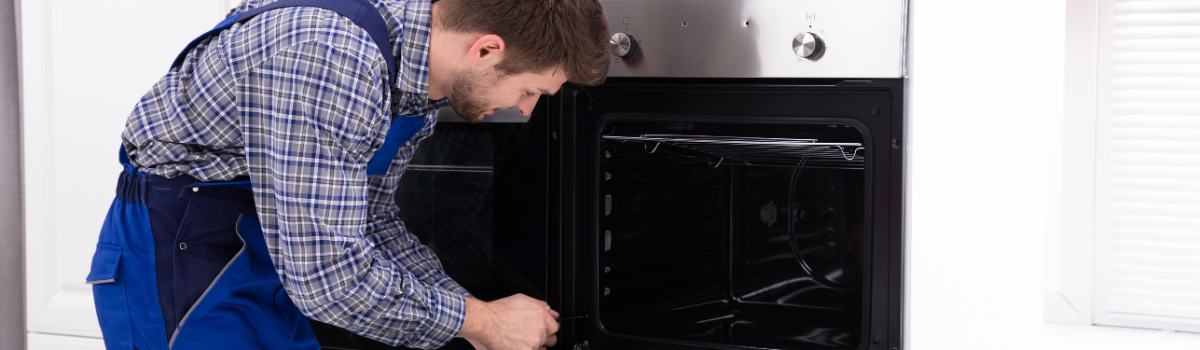
Samsung Oven Heating Problems and Fixes
Ultimate Guide: How to Fix Heating Problems in Your Samsung Oven
You’re making dinner or baking cookies, and your Samsung oven won’t heat up. It’s frustrating, right? A broken oven can mess up your plans and leave you wondering what went wrong.
The good news? Most heating problems have clear causes and solutions. This guide will help you figure out what’s wrong with your oven, how to fix it, and how to keep it running smoothly in the future. Let’s get started!
Signs That Your Samsung Oven Has Heating Problems
Before you can fix your oven, you need to know what’s wrong. Here are the most common signs:
Uneven Cooking
Does your food come out burnt on one side and raw on the other? This usually means the oven isn’t spreading heat evenly. Problems with the heating elements or the temperature sensor could be to blame.
Oven Won’t Heat at All
If your oven stays cold no matter what setting you use, there’s a deeper issue. It might be a broken igniter, damaged heating elements, or a problem with the power supply.
Takes Forever to Preheat
If your oven takes way longer than usual to warm up, the igniter or heating elements might be worn out. Sometimes, it’s just a matter of recalibrating the oven’s settings.
Temperature Feels Off
If the oven’s temperature doesn’t match what you set, your meals might turn out undercooked or overcooked. This could be a problem with the temperature sensor or control panel.
Understanding these signs will help you figure out where the problem is coming from.
Common Reasons Why Your Oven Isn’t Heating
Here are some typical problems that can stop your oven from heating properly:
Weak or Broken Igniter (Gas Ovens)
The igniter is what lights the gas to create heat. If it’s weak, the oven might not heat up at all. Check to see if it glows orange when the oven is on. If not, it may need to be replaced.
Temperature Sensor Isn’t Working
The temperature sensor helps the oven know when to heat up or cool down. If it’s broken, your oven might overheat, underheat, or have uneven temperatures. Testing the sensor with a tool called a multimeter can confirm if it’s working.
Heating Elements Are Damaged (Electric Ovens)
Electric ovens have heating elements that glow red when they’re working. If they’re cracked, burnt, or not glowing, they won’t heat the oven properly and may need replacing.
Gas Supply Issues (Gas Ovens)
Gas ovens need a steady gas flow to heat up. Blockages, leaks, or closed valves can prevent the oven from getting enough gas.
Control Board Isn’t Responding
The control board sends commands to your oven’s parts. If it’s faulty, your oven might not heat or respond correctly to your settings. In most cases, this part will need professional replacement.
Power Problems (Electric Ovens)
If your electric oven isn’t turning on or heating, it might be due to a tripped circuit breaker, a loose plug, or a faulty outlet. Double-check your power connections.
Oven Door Doesn’t Seal Properly
If the oven door doesn’t close tightly, heat will escape, making it hard for your oven to reach the right temperature. Check the door gasket (the rubber seal) and hinges for wear and tear.
How to Troubleshoot and Fix Your Oven
Follow these steps to figure out what’s wrong and fix it:
Step 1: Stay Safe
Unplug your oven or turn off the gas supply before checking or fixing anything. Make sure the oven is cool and wear gloves to protect your hands.
Step 2: Look for Obvious Problems
Check the oven for visible damage, like:
- Cracks or burns on the heating elements.
- Loose wires inside the oven.
- Blockages or leaks in gas lines.
Step 3: Test the Parts
Use a multimeter to test the igniter, heating elements, and temperature sensor for continuity (a continuous electrical circuit). This helps you figure out if these parts are broken.
Step 4: Reset and Calibrate
Many Samsung ovens have a reset button that restores factory settings. If the temperature seems off, use an oven thermometer to check the actual temperature and adjust the settings as needed.
Step 5: Replace or Repair Broken Parts
If you find faulty parts, replace them. Igniters, heating elements, and temperature sensors are common parts that wear out over time. If you’re not confident about replacing parts, call a professional.
How to Keep Your Samsung Oven in Great Shape
Preventive maintenance can save you from future headaches. Here’s what you can do:
Clean Regularly
Wipe the oven interior after every use to remove grease and crumbs. Pay extra attention to the heating elements and door seal.
Check for Wear and Tear
Every few months, inspect the igniter, heating elements, and door gasket. Replace any worn or damaged parts.
Follow the Manufacturer’s Instructions
Don’t overload the oven, and stick to Samsung’s recommended cooking guidelines.
These small steps can make a big difference in keeping your oven working like new.
Frequently Asked Questions
Why is my Samsung oven not heating evenly?
This is usually caused by a faulty temperature sensor, damaged heating elements, or poor air circulation.
How do I reset my Samsung oven?
Most ovens can be reset by turning off the power for a few minutes. Check your manual for exact steps.
How much does it cost to fix heating problems?
Repair costs vary. Replacing a heating element might cost $100–$200, while control board repairs can go over $300.
Conclusion
A Samsung oven that won’t heat properly can be frustrating, but most problems are fixable. By identifying the symptoms, understanding the causes, and following the troubleshooting steps, you can often resolve the issue on your own.
Regular maintenance is key to avoiding future problems. And if you ever feel unsure about a repair, calling a professional is always a good idea. With proper care, your oven can last for years to come!

LET’S CONNECT
OPEN HOURS
Mon-Fri: 8AM-6PM
Saturday: 10AM-6PM
Sunday: 10AM-6PM
QUICK LINKS:
LET’S CONNECT
(778) 600-1787
service@langleyappliancesrepair.ca
OPEN HOURS
Mon-Fri: 8AM-6PM
Saturday: 10AM-6PM
Sunday: 10AM-6PM
QUICK LINKS:
© 2025 Langley Appliances Repair All Rights Reserved | Privacy Policy | Sitemap