
Essential Tools for DIY Home Dryer Repairs in Langley: A Complete Guide
Proper maintenance and timely dryer quick fix repair of home dryers are essential to ensure their efficient operation and longevity. Regular upkeep helps prevent common issues such as overheating, inefficient drying, and potential fire hazards. As dryers are a vital appliance in many households, keeping them in good working condition saves time and energy.
The demand for dryer refurbishment and repair services has been steadily growing, reflecting the increasing need for cost-effective solutions to extend the life of these appliances. According to Business Research Insights, the market for dryer refurbishment and repair services is expanding, driven by consumers seeking affordable alternatives to purchasing new dryers.
DIY dryer repair offers several advantages, including significant cost savings by avoiding expensive professional service fees. Additionally, it provides convenience, allowing homeowners to address minor issues promptly without waiting for a technician. When done correctly, DIY repairs can also enhance safety by ensuring that faulty components are fixed before they cause more serious problems.
Understanding Your Dryer: Types and Common Issues
Types of Dryers
Dryers typically come in two main power types: electric and gas. Electric dryers use heating elements powered by electricity to generate heat, while gas dryers utilize natural gas or propane as a heat source. Gas dryers generally heat up faster and can be more energy-efficient, but they require a gas line installation.
Another way dryers differ is by their loading style: front-load and top-load. Front-load dryers have a door on the front and are generally easier to load and unload, often paired with front-load washers. Top-load dryers have a lid on the top and can be more compact, fitting into tighter spaces.
Common Dryer Problems
- Dryer Not Heating: This is one of the most frequent issues and can be caused by a faulty heating element, blown thermal fuse, or issues with the power supply.
- Drum Not Spinning: When the drum doesn’t turn, it could be due to a broken belt, motor problems, or a malfunctioning idler pulley.
- Strange Noises: Unusual sounds like squealing, thumping, or rattling may indicate worn drum rollers, a loose belt, or foreign objects inside the drum or blower wheel.
- Dryer Taking Too Long to Dry: This can result from clogged vents restricting airflow, a failing heating element, or an overloaded drum.
- Error Codes and What They Mean: Modern dryers often display error codes to indicate specific problems such as sensor failures, door latch issues, or motor faults. Consulting the user manual can help decode these messages.
Safety Concerns
Proper maintenance is critical to prevent dryer-related hazards, particularly fires. Lint buildup inside the dryer or vent ducts is a common cause of dryer fires. Regular cleaning of lint filters and venting systems reduces this risk significantly. Being vigilant for signs like burning smells, excessive heat, or abnormal noises can help recognize potential hazards early.
Essential Tools for Home Dryer Repair
Basic Hand Tools
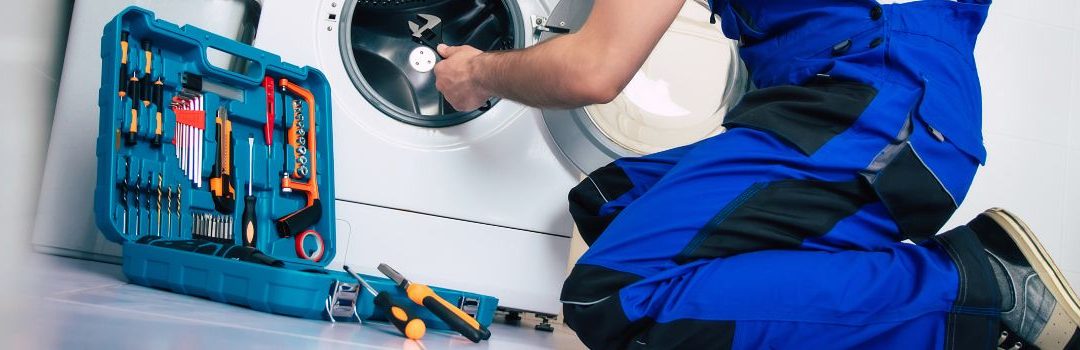
When repairing a home dryer, having the right basic hand tools is crucial. You’ll need screwdrivers, both Phillips and flathead types, to remove panels and access internal components. Pliers and wrenches come in handy for gripping and loosening nuts and bolts. Nut drivers are also essential for dealing with various fasteners found in dryer assemblies.
Diagnostic Tools
To accurately diagnose electrical issues within your dryer, a multimeter is indispensable. It allows you to test voltage, current, and resistance, helping identify faulty wiring or components. Additionally, a thermal fuse tester is useful for checking whether the thermal fuse has blown, which is a common cause of dryer failure.
Specialized Tools
Cleaning and maintenance require specialized tools. A dryer vent cleaning kit is designed to effectively remove lint and debris from the vent system, improving dryer efficiency and safety. Complementing this, a vacuum with a hose attachment is excellent for extracting lint buildup inside the dryer cabinet and vent areas.
Tool Acquisition Tips
In Langley, you can purchase or rent these tools from local hardware stores or specialized equipment rental shops. When selecting tools, opt for reputable brands known for durability and reliability to ensure they withstand frequent use. Investing in quality tools can make your dryer repair projects safer and more efficient.
Step-by-Step Dryer Repair and Maintenance Guide
Diagnostic Procedures
Before starting any repair or maintenance work, ensure your dryer is safely unplugged to avoid electrical hazards. Begin by inspecting the exterior and interior for obvious signs of damage or wear. Using diagnostic tools such as multimeters can help identify faulty components like heating elements or thermal fuses. For more detailed guidance on using diagnostic tools, refer to info.puls.com.
Common Repairs
- Replacing Heating Elements: If your dryer isn’t heating properly, the heating element might be faulty. After unplugging the dryer, access the heating element compartment, test it with a multimeter, and replace it if necessary.
- Fixing or Replacing Drum Belts: A broken or worn drum belt can prevent the drum from turning. Inspect the belt for damage and replace it to restore proper function.
- Cleaning and Replacing Lint Filters and Vents: Blocked lint filters or vents reduce efficiency and pose a fire hazard. Regularly clean or replace lint filters and clear vents to maintain airflow.
- Repairing or Replacing Thermostats and Thermal Fuses: These components regulate temperature and prevent overheating. Use a multimeter to check for continuity and replace faulty parts.
Preventive Maintenance
To avoid common dryer issues and reduce fire risk, establish a routine cleaning schedule. Remove lint buildup from filters, vents, and the interior regularly. Additionally, check the dryer vent for any damage or blockages and ensure it is properly sealed and clear.
Troubleshooting Tips
- Interpreting Error Codes: Modern dryers often display error codes to indicate specific problems. Consult your dryer’s manual or manufacturer’s website to understand these codes and take appropriate action.
- When to Call a Professional: If you encounter complex electrical issues, persistent error codes, or repairs beyond your comfort level, it is best to call a professional technician to ensure safety and proper repair.
Safety Best Practices for Dryer Repair Projects
When undertaking dryer repair projects, safety should always be the top priority to prevent accidents and ensure a smooth repair process.
Ensuring Power is Disconnected Before Repairs
Before starting any repair work, always make sure the dryer is completely disconnected from the power source. Unplug the dryer from the electrical outlet or switch off the circuit breaker that controls the dryer’s power. This step is crucial to avoid electrical shocks or accidental activation of the dryer while you are working on it.
Handling Electrical Components Carefully
Dryers contain sensitive electrical parts such as wiring, switches, and motors. Handle these components with care to prevent damage and reduce the risk of electrical hazards. Use insulated tools when working with electrical connections and avoid touching wires or terminals with bare hands.
Proper Ventilation During and After Repairs
Dryers often produce lint and dust, which can become airborne during repairs. Make sure the repair area is well-ventilated to avoid inhaling these particles. Additionally, verify that the dryer’s vent system is clear and functioning correctly after the repair to prevent moisture buildup and reduce fire risk.
Using Protective Gear
Wear appropriate protective gear including safety gloves, goggles, and a dust mask during repair projects. Gloves protect your hands from sharp edges and electrical shocks, goggles shield your eyes from debris, and a dust mask prevents inhalation of lint and dust.
Following these safety best practices will help protect you and ensure your dryer repair project is successful and hazard-free.
Resources for Langley Residents
Local Repair Services and Parts Suppliers
For residents of Langley looking to repair their home dryers, several trusted local appliance repair shops offer professional services. These businesses provide expert diagnostics, repairs, and maintenance tailored to a variety of dryer models. Additionally, Langley has parts suppliers where you can purchase replacement components such as belts, thermostats, heating elements, and more. Buying parts locally can save time and shipping costs, and staff can often provide helpful advice on compatibility.
Online Guides and Tutorials
For those who prefer a DIY approach, comprehensive repair guides are available online. iFixit offers detailed step-by-step instructions and photos for dryer repairs, making it easier to understand the process and identify parts. Another valuable resource is Puls, which provides instructional videos and articles that guide users through common dryer issues and fixes. These resources help build confidence and ensure repairs are done correctly.
Home Maintenance Planning
Incorporating dryer maintenance into a broader home upkeep schedule can extend the life of your appliance and prevent unexpected breakdowns. A well-structured maintenance plan includes regular cleaning of lint traps, checking venting systems, and scheduling periodic professional inspections. The Home Warranty Maintenance Guide offers a practical framework for managing these tasks within your overall home maintenance routine
Market Trends and Future Outlook
The global market for dryer refurbishment and repair services is projected to experience significant growth in the coming years. This trend is fueled by cost savings, convenience, and growing environmental awareness.
Technological advances are also shaping the tools and techniques used in dryer repair. Modern diagnostic tools allow technicians to quickly identify issues, reducing repair times and improving accuracy. Innovations such as smart sensors and IoT integration enable remote monitoring and predictive maintenance, which help prevent breakdowns before they occur. Additionally, improved materials and parts have increased the durability and efficiency of repairs.
Sustainability is becoming a central focus in the dryer maintenance and refurbishment industry. By extending the lifespan of dryers through timely repairs and refurbishments, energy consumption and waste generation are reduced. This approach aligns with broader environmental goals to minimize landfill waste and lower carbon footprints associated with manufacturing new appliances. As a result, consumers and service providers alike are prioritizing environmentally responsible practices in dryer upkeep.
Conclusion
Proper tools and knowledge are essential for successful home dryer repair projects. Using the right equipment not only makes the repair process more efficient but also helps prevent further damage to your dryer and ensures your safety.
DIY dryer repair can be a rewarding and cost-effective option if approached with caution and preparation. Always prioritize safety by unplugging the dryer before starting any work and following instructions carefully.
Take advantage of the resources available in Langley, such as local hardware stores, repair guides, and community forums. These can provide valuable information and support, helping you complete your repair efficiently and safely.

LET’S CONNECT
OPEN HOURS
Mon-Fri: 8AM-6PM
Saturday: 10AM-6PM
Sunday: 10AM-6PM
QUICK LINKS:
LET’S CONNECT
(778) 600-1787
service@langleyappliancesrepair.ca
OPEN HOURS
Mon-Fri: 8AM-6PM
Saturday: 10AM-6PM
Sunday: 10AM-6PM
QUICK LINKS:
© 2025 Langley Appliances Repair All Rights Reserved | Privacy Policy | Sitemap