

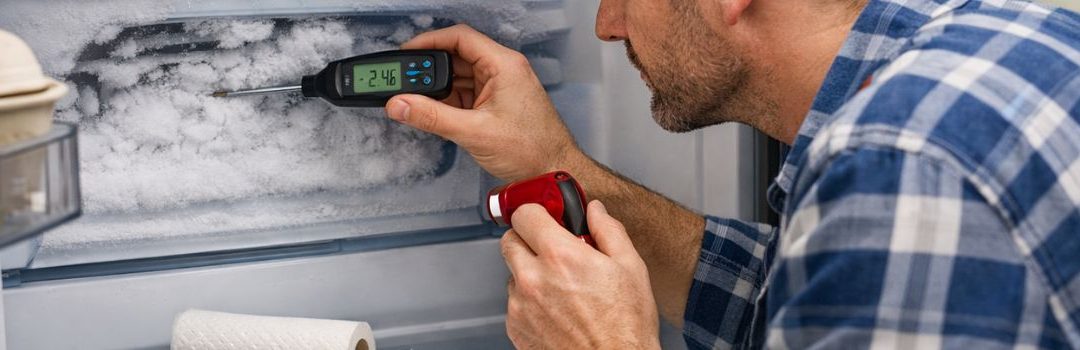
Practical Solutions and Maintenance Tips Serving Langley for Over-Cold Fridges
Maintaining the optimal temperature in your refrigerator is essential for preserving food quality, preventing waste, and ensuring energy efficiency. When a fridge runs too cold, it can cause a range of problems, including food spoilage due to freezing, unnecessary energy consumption leading to higher bills, and increased wear and tear on the appliance itself.
This guide is designed specifically for residents of Langley, providing comprehensive maintenance and troubleshooting tips to help you address issues with refrigerators that run too cold. By following this step by step cooling checklist for technicians, you can keep your fridge operating at the right temperature, extend its lifespan, and reduce your energy costs.
Understanding Why Your Refrigerator Runs Too Cold
Common Causes
Several factors can cause your refrigerator to run too cold. One of the most frequent reasons is improper temperature control settings; if the thermostat is set too low, the fridge will cool excessively. Airflow obstructions inside the fridge, such as overpacked shelves blocking vents, can also disrupt the temperature balance.
Malfunctions in the defrost system may cause ice buildup, which impacts cooling and leads to colder than normal temperatures. Faulty thermostats or temperature sensors can provide incorrect readings, causing the compressor to run longer than necessary. Problems with the air inlet damper, which controls the amount of cold air entering the refrigerator compartment, may also result in excessive cold.
Main control board issues can disrupt the fridge’s cooling cycle by mismanaging signals to components. Door gasket leaks allow cold air to escape and cause the system to overcompensate by cooling more aggressively. Lastly, malfunctioning motors or fans can impair proper air circulation, making some areas colder than intended.
How Excessive Cold Affects Your Refrigerator
When a refrigerator runs too cold, food items may freeze unintentionally, affecting texture and taste. This can be particularly problematic for vegetables, fruits, and dairy products. Additionally, the appliance will consume more energy because it runs longer to maintain the lower temperature, increasing your electricity bills.
Excessive cold can also potentially damage refrigerator components over time. For example, constant freezing and thawing can strain the compressor and other mechanical parts, leading to costly repairs or reduced appliance lifespan.
Diagnosing Temperature Problems
Monitoring Temperature Settings
Maintaining the correct temperature settings is crucial for your fridge to operate efficiently. The recommended temperature range for refrigerators is typically between 37°F (3°C) and 40°F (4°C), while freezers should be set at 0°F (-18°C). To check and adjust the thermostat settings, locate the temperature control dial or digital panel inside the fridge. Adjust the settings gradually and allow the fridge to stabilize for several hours before rechecking the temperature.
Inspecting Airflow
Proper airflow inside the fridge is essential to prevent cold spots and ensure even cooling. Start by identifying and removing any items blocking the vents or air pathways. Avoid overpacking the fridge, as this can restrict airflow. Additionally, check that the vents and fans are unobstructed and functioning properly. A malfunctioning fan can cause uneven temperatures and make the fridge run colder than necessary.
Checking the Defrost System
A faulty defrost system often leads to ice buildup and frost accumulation inside the fridge or freezer compartments. Signs to watch for include thick layers of ice on the evaporator coils or frost around the vents. When the defrost system fails, ice can block airflow, causing temperature irregularities and making the fridge run too cold in some areas. Regularly inspect for these signs to catch defrost issues early.
Evaluating Door Gaskets and Seals
Door gaskets and seals play a vital role in maintaining consistent temperatures by preventing cold air from escaping. Inspect the seals for any cracks, tears, or wear by running your hand along the edges or using a piece of paper to test the seal tightness. Poor sealing allows warm air to enter, forcing the fridge to work harder and potentially causing temperature fluctuations or excessively cold spots.
Electrical Components Review
The main control board and thermostat regulate the fridge’s cooling cycles. Assessing their functionality involves observing if the fridge maintains stable temperatures or frequently cycles on and off. Motor or fan failures often present symptoms such as unusual noises, inconsistent cooling, or the fridge running too cold. If you suspect electrical component issues, it may require professional testing or replacement to restore proper temperature control.
Tips to Prevent Overcooling
Regular Cleaning
One of the key maintenance tasks to prevent your fridge from running too cold is regular cleaning. Start by cleaning the condenser coils, which are often located at the back or beneath the fridge. Dust and dirt buildup on these coils reduce efficiency, causing the fridge to work harder and potentially overcool. Keeping these coils clean improves airflow and helps maintain the correct temperature. Additionally, remove dust and debris from vents and fans inside the fridge to ensure proper circulation.
Inspecting and Replacing Door Gaskets
Door gaskets play a crucial role in maintaining the fridge’s internal temperature. Routinely check the gasket seals for any signs of wear, cracks, or gaps. Faulty door seals allow cold air to escape and warm air to enter, which can cause the fridge to overcompensate by cooling too much. If you notice any damage, replacing the door gaskets promptly helps maintain an airtight seal, ensuring consistent temperature control.
Temperature Monitoring and Adjustments
Using an appliance thermometer inside your fridge can give you a clear idea of the actual temperature, helping you prevent overcooling. It’s important to regularly monitor the temperature and adjust the thermostat settings as needed. Seasonal changes and varying usage can affect cooling requirements, so adjusting settings accordingly keeps your fridge running efficiently without overcooling.
Professional Appliance Tune-Ups
Scheduling regular professional maintenance is essential for early detection of issues that might cause your fridge to run too cold. Professionals can perform thorough diagnostics, identify malfunctioning components, and fine-tune your appliance to optimal settings. In Langley, services like those offered by Cosmos Appliance Service provide expert tune-ups that help maintain your fridge’s performance and prevent overcooling problems.
Troubleshooting and Repair Solutions
Adjusting Temperature Settings
If your fridge is running too cold, the first step is to check and adjust the thermostat settings. Start by locating the thermostat dial or digital control panel inside your refrigerator. Most refrigerators should be set between 37°F and 40°F (3°C to 4°C) for the fridge section. If it’s set lower than that, increase the temperature slightly. After adjusting, wait 24 hours to see if the temperature stabilizes within the ideal range. This simple step can often resolve the issue without further repairs.
Improving Airflow
Proper air circulation inside the fridge is essential for maintaining a consistent temperature. Start by clearing any vents inside the fridge that may be blocked by food items. Avoid overpacking shelves and arrange items so that air can flow freely around them. If airflow remains poor, inspect the air inlet dampers, which regulate the flow of cold air from the freezer to the fridge compartment. Damaged or stuck dampers can cause excessive cooling and may require repair or replacement.
Repairing Defrost System Malfunctions
A malfunctioning defrost system can cause frost buildup, leading to a fridge that runs too cold. Key components to check include the defrost heater and defrost timer. Signs of failure include excessive frost on the evaporator coils or uneven cooling. Testing these parts requires some technical know-how and may involve using a multimeter to check for continuity. If you suspect a defrost system issue but are unsure how to proceed, it’s best to contact a professional technician. They can properly diagnose and repair the system to restore normal operation.
Replacing Faulty Thermostats and Sensors
Thermostats and temperature sensors control the cooling cycle of your fridge. If these components fail, the fridge may run too cold or fail to regulate temperature properly. Common signs of a faulty thermostat include the compressor running constantly or the fridge never warming up. Replacing these parts involves disconnecting power, removing the old thermostat or sensor, and installing a new one according to the manufacturer’s instructions. Addressing these malfunctions promptly helps prevent food spoilage and energy waste.
Addressing Electrical and Mechanical Failures
Electrical and mechanical issues can also cause a fridge to run too cold. Problems with the main control board may lead to incorrect temperature regulation. Similarly, malfunctioning motors or fans can disrupt airflow and cooling cycles. Diagnosing these problems often requires specialized tools and expertise. Repair options include resetting or replacing the control board, and fixing or swapping out faulty motors and fans. If you notice unusual noises, inconsistent cooling, or error codes, consider professional repair services to handle these complex issues.
Energy Efficiency and Cost Savings
Preventing Energy Waste
When a fridge runs too cold, it consumes more electricity than necessary, leading to higher energy bills. Overcooling forces the compressor to work harder and longer to maintain lower temperatures, which wastes energy. By keeping your refrigerator at the proper temperature usually between 37°F (3°C) and 40°F (4°C) for the fridge compartment you can optimize energy use and reduce unnecessary electricity costs.
Extending Refrigerator Lifespan
Regular maintenance is key to extending the lifespan of your refrigerator. Addressing issues like overcooling promptly prevents undue stress on the appliance’s components, such as the compressor and thermostat. Routine tasks like cleaning coils, checking door seals, and monitoring temperature settings help your fridge run efficiently and last longer.
Conclusion
To keep your fridge in Langley running too cold issue-free, remember these key maintenance and troubleshooting tips: regularly check and adjust the temperature settings, clean the condenser coils, ensure door seals are tight and free of debris, and avoid overloading the fridge. If your fridge continues to run too cold despite these efforts, don’t hesitate to seek professional assistance to diagnose and fix any underlying problems.
Consistent care not only prolongs the life of your appliance but also helps maintain energy efficiency. By staying proactive and addressing issues early, you can ensure your fridge operates at the right temperature, preserving your food and saving on energy costs.
Taking these steps will help your Langley fridge run smoothly and efficiently, keeping your food fresh and your energy bills manageable.

LET’S CONNECT
OPEN HOURS
Mon-Fri: 8AM-6PM
Saturday: 10AM-6PM
Sunday: 10AM-6PM
QUICK LINKS:
LET’S CONNECT
(778) 600-1787
service@langleyappliancesrepair.ca
OPEN HOURS
Mon-Fri: 8AM-6PM
Saturday: 10AM-6PM
Sunday: 10AM-6PM
QUICK LINKS:
© 2025 Langley Appliances Repair All Rights Reserved | Privacy Policy | Sitemap