
Step-by-Step Refrigerator Cooling Checklist for Langley Service Experts
Refrigerator cooling systems play a crucial role in both commercial and residential settings by maintaining the necessary low temperatures to preserve food and other perishable items. These systems rely on a combination of components such as compressors, condensers, evaporators, and refrigerants to efficiently remove heat and keep the interior cool.
Regular maintenance and servicing of refrigerator cooling systems are essential to ensure optimal performance and extend the lifespan of the equipment. Proper upkeep helps prevent breakdowns, reduces energy consumption, and maintains consistent cooling, which is vital for food safety and cost efficiency.
Technicians in Langley face unique challenges when servicing refrigerator cooling systems due to the local climate and usage patterns. The region’s fluctuating temperatures and humidity levels can affect system efficiency and increase wear on components. Additionally, commercial settings in Langley often have high usage demands, making thorough and regular maintenance critical to avoid costly downtime, especially when dealing with smart refrigerator pairing problems.
Importance of Consistent Inspections
Preventing Costly Breakdowns
Consistent inspections play a crucial role in identifying potential issues before they escalate into major problems. Early detection of faults allows technicians to address minor repairs promptly, preventing emergency breakdowns that can be expensive and disruptive. For businesses relying on refrigeration, unexpected downtime can lead to significant losses, including spoiled inventory and interrupted operations. Regular servicing helps maintain the reliability of refrigeration systems and minimizes costly interruptions.
Ensuring Energy Efficiency
Regular inspections also contribute to improved energy efficiency. Over time, components such as coils, fans, and seals can degrade or accumulate dirt, causing the system to work harder and consume more power. By routinely checking and maintaining these parts, technicians help optimize the refrigerator’s performance, reducing its energy consumption. This not only lowers operational costs for businesses but also lessens the environmental impact associated with higher energy use.
Compliance and Safety
Maintaining consistent inspections ensures that refrigeration units comply with local regulations and safety standards. Adhering to these requirements protects businesses from legal penalties and promotes a safe working environment. Additionally, regular servicing safeguards food safety by maintaining proper temperatures and preventing contamination, which is vital for preserving food quality and protecting public health.
Pre-Service Preparation
Gathering Tools and Equipment
Before starting any refrigerator cooling service, it’s crucial to gather all the necessary tools and equipment. Essential tools typically include a set of screwdrivers, a multimeter for electrical testing, refrigerant gauges, leak detectors, and vacuum pumps. Having the right tools on hand ensures the technician can efficiently diagnose and repair any issues.
Safety is paramount during refrigeration servicing. Technicians should wear protective gear such as safety goggles, gloves, and insulated footwear to prevent injuries from electrical components or refrigerants. Proper safety equipment not only protects the technician but also helps maintain a safe working environment.
Reviewing System Documentation
Understanding the specific make and model of the refrigerator is vital for effective servicing. Each model may have unique components and operational characteristics that affect how service tasks are performed. Reviewing the manufacturer’s documentation provides insights into the system’s design and recommended maintenance procedures.
Additionally, examining previous maintenance records and service history helps identify recurring issues or parts that may need replacement. This information enables technicians to tailor their approach, ensuring a thorough and effective cooling service.
Comprehensive Inspection Checklist
Visual and Physical Inspections
Begin with a thorough visual and physical inspection of the refrigerator. Check for any leaks that could indicate refrigerant loss, and look for signs of corrosion or physical damage that might affect performance or safety. Pay close attention to door seals and gaskets, ensuring they are free from wear and provide a proper seal to maintain internal temperatures effectively. Proper sealing helps prevent cold air loss and reduces energy consumption.
Temperature and Defrost System Checks
Verify that the temperature settings are accurate and consistent with the recommended levels for the refrigerator’s contents. Check the accuracy of temperature sensors to ensure reliable readings and optimal cooling performance. Additionally, confirm that the defrost system cycles correctly to prevent ice buildup, which can impair efficiency and damage components if left unchecked. Proper defrost operation is critical for maintaining consistent temperatures and prolonging equipment life.
Cleaning Procedures
Regular cleaning is essential for maintaining the refrigerator’s efficiency. Clean condenser coils thoroughly to improve heat exchange efficiency, which helps the refrigerator cool effectively while reducing energy use. Also, remove any debris from fans and vents to ensure proper airflow and prevent overheating of components. Keeping these parts clean helps maintain optimal cooling performance and extends the lifespan of the system.
Electrical and Mechanical Component Testing
Inspect all wiring and electrical connections for signs of wear, corrosion, or loose fittings that could cause malfunctions or safety hazards. Test the compressor’s performance to ensure it is operating within manufacturer specifications, as this is vital for efficient cooling. Additionally, check refrigerant levels to confirm they are adequate; low refrigerant can reduce cooling capacity and damage the compressor over time. Addressing these components during inspection helps prevent unexpected breakdowns and maintains overall system reliability.
Systematic Troubleshooting Approach
Identifying Common Issues
A key part of refrigerator cooling service is recognizing the early symptoms of cooling inefficiency. Common signs include uneven cooling, warm spots inside the fridge, and longer running times. These symptoms often indicate underlying issues such as dirty condenser coils, low refrigerant levels, or faulty thermostats.
Unusual noises or vibrations are also critical indicators. Humming, buzzing, or rattling sounds may point to problems with the compressor, fan motors, or loose components. Identifying these sounds early helps prevent more significant failures.
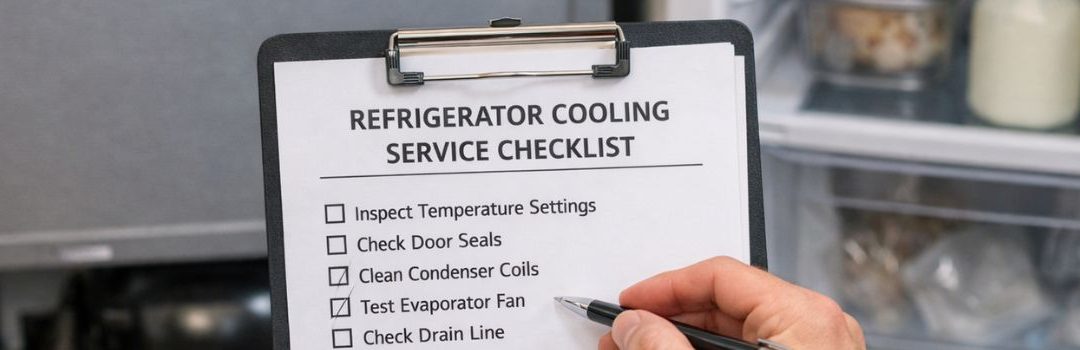
Step-by-Step Troubleshooting Checklist
Using an organized troubleshooting checklist can greatly streamline the diagnostic process. A well-structured checklist ensures that technicians systematically evaluate each potential cause without overlooking critical steps. According to ACHR News, creating the ultimate refrigeration troubleshooting checklist involves listing common symptoms, possible causes, and corresponding checks to perform.
Prioritizing repairs based on severity and impact is essential. Addressing issues that affect cooling performance or risk component damage should come first. Less critical problems, such as cosmetic damages or minor noises, can be scheduled for later service. This approach ensures efficient use of time and resources while maintaining optimal refrigerator function.
Safety Considerations
When performing refrigerator cooling service, safety is paramount. Technicians must follow strict guidelines to protect themselves and others from potential hazards.
Handling Refrigerants Safely
Refrigerants can be harmful if not handled correctly. It is essential to avoid direct contact, inhalation, or release into the environment. Always use proper recovery equipment to capture refrigerants during service and never vent them into the atmosphere. Understanding the type of refrigerant used and its properties helps in managing it safely.
Electrical Safety Protocols
Refrigerators operate on electrical systems that can pose shock hazards. Before starting any service, ensure the appliance is unplugged or the circuit breaker is turned off. Use insulated tools and verify that capacitors are discharged to prevent accidental shocks. Follow lockout/tagout procedures to keep the work area safe.
Personal Protective Equipment Usage
Wearing appropriate personal protective equipment (PPE) is crucial. Safety glasses protect eyes from refrigerant splashes and debris. Gloves resistant to chemicals and electrical hazards safeguard the hands. Depending on the task, additional protection like long sleeves and respiratory protection may be necessary to avoid exposure to harmful substances.
Adhering to these safety considerations ensures a safe working environment and reduces the risk of accidents during refrigerator cooling service.
Conclusion
Thorough checklists play a critical role in maintaining refrigerator cooling systems by ensuring every component is inspected and serviced properly. They help technicians identify potential issues early, prevent breakdowns, and maintain optimal performance and energy efficiency.
For Langley technicians, adopting comprehensive servicing routines based on detailed checklists is essential. It not only enhances the reliability and longevity of refrigerators but also improves customer satisfaction by minimizing unexpected failures. Consistent use of these checklists supports high-quality service and professional standards in the refrigeration industry.

LET’S CONNECT
OPEN HOURS
Mon-Fri: 8AM-6PM
Saturday: 10AM-6PM
Sunday: 10AM-6PM
QUICK LINKS:
LET’S CONNECT
(778) 600-1787
service@langleyappliancesrepair.ca
OPEN HOURS
Mon-Fri: 8AM-6PM
Saturday: 10AM-6PM
Sunday: 10AM-6PM
QUICK LINKS:
© 2025 Langley Appliances Repair All Rights Reserved | Privacy Policy | Sitemap