

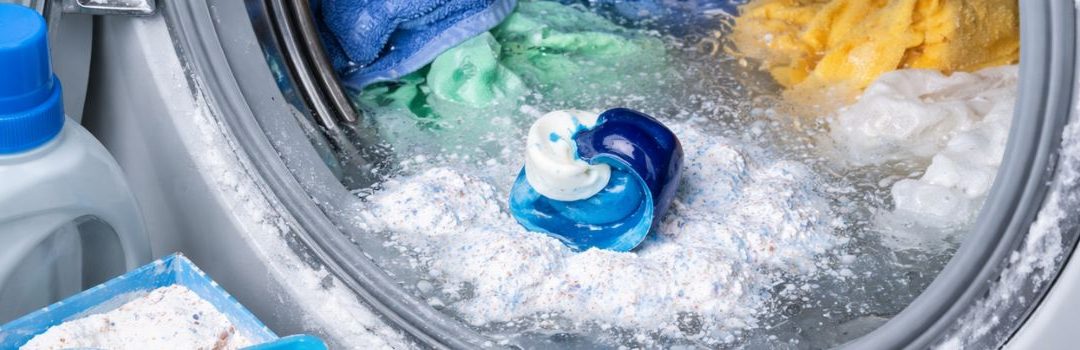
Understanding Cold Water Washing and Detergent Problems in Langley
Cold water washing has become increasingly popular as more people seek energy-efficient and environmentally friendly laundry solutions. This trend reflects a growing awareness of the benefits that cold water washing offers, including reduced energy consumption and lower utility bills. However, one challenge that often arises with cold water washing is the issue of detergent dissolving effectively in lower temperatures, making it important to find a smart way to handle excess soap residue.
Understanding detergent dissolving issues is crucial because it directly impacts the cleanliness of clothes and the overall washing experience. If detergent does not dissolve properly, it can leave residue on clothing and inside washing machines, leading to poor washing results and potential damage.
Using cold water for laundry not only helps save energy but also reduces the carbon footprint associated with heating water. According to the Cleaning Institute, cold water washing can significantly cut energy use, contributing to environmental sustainability without compromising cleaning performance when the right detergent is used.
The Science Behind Detergent Dissolution
How Detergents Work
Detergents come in various forms, including powders, liquids, and pods, each designed to clean clothes effectively. Powder detergents typically contain surfactants, builders, enzymes, and other additives in a granular form. Liquid detergents are pre-dissolved formulations that often include concentrated surfactants and enzymes. Pods combine these components in a water-soluble film, making them convenient and pre-measured.
Temperature plays a critical role in how these detergent components dissolve and become active during the wash cycle. Warmer water tends to help powders dissolve fully, releasing surfactants and enzymes that break down dirt and stains. Liquids, being already in solution, generally dissolve well across a range of temperatures but can sometimes be less effective at cold temperatures if not formulated specifically for such conditions. Pods are designed to dissolve quickly; however, their water-soluble film and contents rely on adequate water temperature and agitation to break down properly.
Impact of Water Temperature on Detergent Dissolving
Cold water washing can slow or even prevent complete dissolution of detergents, especially powders and pods. At lower temperatures, the solubility of many detergent ingredients decreases, leading to residue left on fabrics or in the washing machine. This residue may appear as white flakes or film and can cause clothes to look dingy or feel stiff.
Powder detergents are particularly prone to poor dissolution in cold water because their particles need sufficient heat to dissolve fully. Liquid detergents typically perform better in cold water since they are already dissolved, but some formulations still require warmer temperatures to activate enzymes effectively. Pods, while designed for convenience, can also fail to dissolve completely in cold water, especially if the water flow or agitation is insufficient. The water-soluble film may remain intact or partially intact, leaving detergent residue on clothes.
Understanding these differences can help users select the best detergent type for cold water washing and adjust their laundry routines to minimize residue and maximize cleaning performance.
Common Problems Associated with Cold Water Washing
Detergent Residue and Stains
One major issue with cold water washing is detergent residue left on clothes. This often happens because detergent doesn’t dissolve properly in cold water, especially with synthetic fabrics. When detergent remains undissolved, it can cause visible white streaks, sticky patches, or even discoloration on the fabric. These detergent stains are a common complaint and can be traced back to a few typical mistakes during the washing process, such as using too much detergent or adding it at the wrong time during the cycle.
Ineffective Cleaning
Cold water washing can also lead to less effective cleaning overall. Detergents are designed to activate fully at higher temperatures, so washing in cold water may result in incomplete activation. This means stains might not be removed thoroughly, leaving clothes looking dull or dirty. Over time, ineffective cleaning can affect fabric care and reduce the longevity of garments, as dirt and oils accumulate instead of being washed away.
Strategies to Overcome Detergent Dissolving Issues in Cold Water Washing
Choosing the Right Detergent
Selecting a detergent formulated specifically for cold water is crucial for effective washing. Cold-water laundry detergents are designed to dissolve and activate at lower temperatures, ensuring better stain removal and fabric care. According to research, using detergents optimized for cold water not only improves cleaning performance but also conserves energy by eliminating the need to heat water.
When deciding between liquid, powder, and pods, consider their performance in cold water. Liquid detergents generally dissolve more readily in cold temperatures, reducing residue on clothes. Powder detergents may require more time or pre-dissolving to avoid clumping, while pods offer convenience but can sometimes leave undissolved detergent if the water flow is insufficient.
Washing Machine Settings and Usage Tips
To enhance detergent dissolution, especially when using powder forms, pre-dissolving the detergent in a small amount of water before adding clothes can prevent residue buildup. Selecting appropriate wash cycles is also important; longer wash times and cycles with increased agitation help break down detergent particles.
Avoid overloading the washing machine, as this restricts water and detergent movement, leading to poor dissolution and uneven cleaning. Ensuring enough space allows water and detergent to circulate freely, improving overall wash quality.
Water Quality and Temperature Considerations
Water hardness significantly impacts detergent effectiveness. Hard water contains minerals that bind with detergent molecules, reducing their ability to clean and dissolve properly. Using a water softener or a detergent formulated for hard water can mitigate this issue.
While cold water washing is energy-efficient, some detergents require minimum temperature thresholds to dissolve fully. Understanding the specific temperature requirements of your chosen detergent helps ensure it works effectively. In general, maintaining water temperatures around 60°F (15.5°C) or slightly higher can improve detergent solubility without sacrificing the benefits of cold water washing.
Environmental and Economic Benefits of Cold Water Washing
Energy Savings
Washing clothes in cold water can significantly reduce the energy consumption of your washing machine. Up to 90% of the energy used by a washing machine goes towards heating the water. By opting for cold water washing, you cut down this energy use drastically, leading to noticeable savings on your utility bills. This simple change can make a big difference in household energy costs over time.
Environmental Impact
Cold water washing also has a positive environmental impact. Since less energy is required, your carbon footprint is reduced, contributing to lower greenhouse gas emissions. Additionally, washing in cold water helps preserve the quality of fabrics, which means your garments last longer. This reduces the need to replace clothes frequently, further minimizing waste and the environmental costs associated with clothing production.
Addressing Specific Concerns in Langley
Local Water Characteristics
Langley typically experiences moderately hard water, with hardness levels generally ranging from 120 to 180 mg/L as CaCO3. The local tap water temperature can vary between 10°C to 15°C, especially during colder months. These factors significantly impact detergent performance during cold water washing. Hard water can reduce the effectiveness of detergents by reacting with their active ingredients, thereby limiting their ability to dissolve and clean effectively. Lower temperatures further challenge detergent solubility, potentially leading to residue buildup on clothes and washing machines. Considering these characteristics, selecting a detergent formulated for hard water and cold water conditions is essential for optimal washing results in Langley.
Consumer Awareness and Education
Educating consumers in Langley about the importance of proper detergent selection is crucial to address washing issues related to cold water and water hardness. Using detergents designed for cold water use, especially those labeled as suitable for hard water, can improve cleaning efficiency and reduce residue. Additionally, maintaining washing machines through regular cleaning cycles and descaling can prevent detergent buildup and prolong appliance life. Clear guidance on measuring detergent correctly, avoiding overdosing, and choosing the right washing settings can further enhance washing performance and reduce problems associated with detergent dissolving.
Future Trends and Innovations
Advances in Detergent Chemistry
One of the most promising developments in cold water washing is the creation of detergents specifically formulated to dissolve and work effectively at lower temperatures. Researchers have focused on developing enzymes and surfactants optimized for cold water, which maintain their cleaning power without the need for hot water. These innovations not only improve detergent performance but also support energy conservation by reducing the reliance on heating water during laundry cycles. Such advancements are highlighted in recent studies emphasizing the environmental and efficiency benefits of cold-water laundry detergents.
Smart Washing Machines
Smart washing machines represent another key innovation in tackling detergent dissolving issues with cold water. These machines use advanced technology to monitor and adjust water temperature, cycle length, and detergent dispensing to ensure optimal cleaning results. By precisely controlling water temperature and agitation, smart washers can aid in the complete dissolution of detergent, preventing residue buildup and improving fabric care. This technology enables households to benefit fully from cold water washing without sacrificing cleanliness or detergent efficiency.
Conclusion
Washing clothes in cold water presents specific challenges, particularly with detergent dissolving effectively. Detergents may not fully dissolve, leading to residue on clothing and decreased cleaning performance. However, these issues can be addressed by choosing detergents formulated for cold water use, using the correct detergent amount, and ensuring proper washing machine settings.
By adopting these best practices, you can achieve effective cleaning results while benefiting from energy savings and reducing environmental impact. Embracing cold water washing with the right detergent approach supports both your laundry needs and eco-friendly living.

LET’S CONNECT
OPEN HOURS
Mon-Fri: 8AM-6PM
Saturday: 10AM-6PM
Sunday: 10AM-6PM
QUICK LINKS:
LET’S CONNECT
(778) 600-1787
service@langleyappliancesrepair.ca
OPEN HOURS
Mon-Fri: 8AM-6PM
Saturday: 10AM-6PM
Sunday: 10AM-6PM
QUICK LINKS:
© 2025 Langley Appliances Repair All Rights Reserved | Privacy Policy | Sitemap