

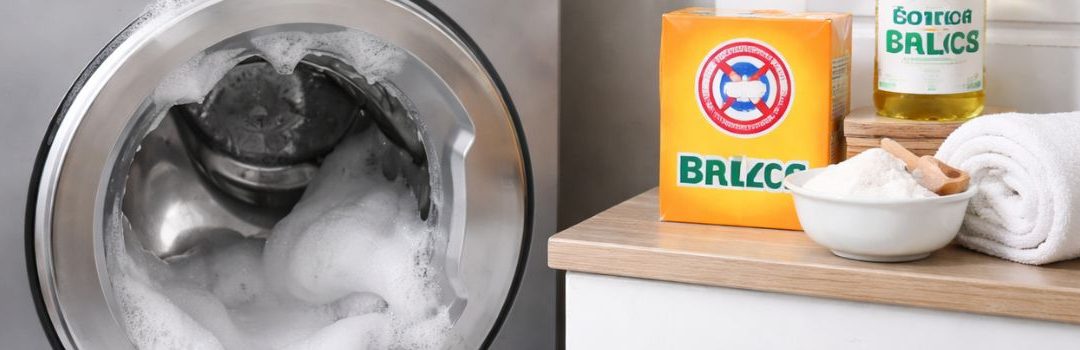
The Smart Way to Handle Excess Soap Residue in Langley Washers
Excess soap residue in washing machines is a common problem that can negatively impact both the appliance’s performance and the quality of your laundry. When soap doesn’t rinse out completely, it can leave a buildup inside the machine, leading to unpleasant odors, reduced cleaning effectiveness, and even mechanical issues over time.
Addressing soap residue is crucial for maintaining the longevity of your washing machine. Regular buildup can cause parts to wear out faster and may result in costly repairs or the need for early replacement, sometimes due to hidden washer bearing issues that go unnoticed. Additionally, leftover soap can cause clothes to feel stiff, look dull, or develop skin irritations, reducing the overall satisfaction with your laundry results.
Washers in the Langley area face unique challenges due to local water conditions. Langley’s water hardness can affect how soap dissolves and rinses, often requiring adjustments in detergent usage and machine settings to prevent residue buildup. Understanding these local factors is essential for effective soap residue management and ensuring your washing machine operates efficiently.
Understanding Excess Soap Residue
What is Soap Residue?
Soap residue refers to the leftover detergent or soap that remains in your washing machine or on your clothes after a wash cycle. It forms when soap is not fully dissolved or rinsed away during washing. This residue can appear as a filmy coating inside the washer drum, visible soap flakes on clothing, or a sticky buildup around the rubber seals. Common signs of detergent residue include clothes that feel stiff or sticky, white or grayish marks on fabrics, and a musty or soap-like smell lingering in the washer.
Causes of Excess Soap Residue
Overuse of Detergent
Using more detergent than recommended is a primary cause of soap residue buildup. Excess detergent creates too many suds, which the washing machine may struggle to rinse out completely. This can lead to overflow issues and drainage clogs, reducing the machine’s effectiveness and leaving behind residue both inside the washer and on clothes (HomeTechTool, Storables).
Incorrect Detergent Type
Using the wrong detergent can also cause residue problems. High-efficiency (HE) washers require HE detergents specifically designed to produce fewer suds. Using regular detergent in these machines can result in excessive suds and soap buildup. Additionally, detergents not formulated for the water hardness in the Langley area may fail to dissolve properly, increasing residue accumulation.
Washer Overloading
Overloading the washer reduces water circulation, which is crucial for dissolving detergent and rinsing clothes effectively. When the drum is too full, detergent cannot spread evenly, and rinsing becomes less efficient, leaving soap residue behind on fabrics and inside the machine.
Water Quality and Hardness
Hard water contains high levels of minerals like calcium and magnesium, which interfere with detergent performance. These minerals can cause soap to bind with them, creating a residue that sticks to clothes and the washer’s interior. In areas like Langley with hard water, this effect is more pronounced and requires appropriate detergent choices and possibly water softening solutions.
Inadequate Washer Maintenance
Failing to regularly clean the washing machine’s internal components, such as rubber seals, detergent dispensers, and the drum, allows detergent residue to build up over time. This buildup can also promote mold growth, leading to unpleasant odors and further residue problems. Routine maintenance is essential to prevent these issues and keep the washer functioning properly.
Consequences of Ignoring Soap Residue
Ignoring excess soap residue in your washing machine can lead to several problems. One major issue is mechanical malfunctions. Soap buildup can interfere with the washer’s internal components, leading to breakdowns that require costly repairs. Over time, this can shorten the lifespan of your appliance and increase maintenance expenses.
Additionally, leftover soap residue creates a breeding ground for unpleasant odors and mold growth inside the machine. These odors can transfer to your laundry, leaving clothes smelling bad despite washing. Mold inside the washer not only causes a foul smell but can also pose health risks.
Finally, soap residue on clothes can cause skin irritation, especially for those with sensitive skin. It also leads to poor cleaning results, as the excess soap can trap dirt and grime instead of removing it. This defeats the purpose of washing and leaves your clothes less fresh and clean.
Step-by-Step Solutions to Fix and Prevent Excess Soap Residue
Correct Detergent Usage
To avoid excess soap residue, always measure detergent according to the load size and the hardness of the water you are using. Using too much detergent can leave buildup on clothes and inside the washer. For high-efficiency (HE) washers, it is important to use HE detergents specifically designed for these machines, as they produce fewer suds and clean more effectively without residue.
Proper Loading Practices
Avoid overloading your washing machine. Overloading restricts the proper circulation of water and detergent, which can lead to soap residue remaining on clothes and inside the washer drum. Make sure to load clothes loosely enough to allow water and detergent to move freely, ensuring thorough rinsing and cleaning.
Regular Washer Cleaning and Maintenance
Cleaning the Rubber Seal
The rubber door seal is a common spot for mold and soap scum buildup, which can cause odors and residue problems. Clean the seal regularly with a mild cleaner or a mixture of water and vinegar. Avoid harsh chemicals that might damage the seal. Keeping this area clean helps prevent residue accumulation and keeps your washer fresh.
Drum and Dispenser Cleaning
Run your washing machine’s cleaning cycle regularly or use recommended cleaning agents designed for washers. This helps remove detergent buildup inside the drum and dispenser compartments, reducing residue on your clothes and extending the life of your machine.
Water Quality Management
If you live in Langley and suspect your water is hard, consider installing a water softener or using water conditioners. Hard water can cause detergent to react and leave soap scum on clothes and inside the washer. Managing water quality helps improve detergent effectiveness and prevents residue buildup.
Use of Fabric Softeners and Additives
Using fabric softeners and certain additives can help reduce soap residue and control odors. Fabric softeners coat fibers, reducing static and making clothes feel softer, which can also help minimize detergent buildup. Always use these products as directed to avoid additional residue issues.
Advanced Tips and Best Practices
To effectively fix and prevent excess soap residue in washers serving the Langley area, consider these advanced tips and best practices:
- Run an Empty Hot Water Cycle with Vinegar or Specialized Cleaners: Periodically running an empty wash cycle on the hottest setting with a cup of white vinegar or a washer-specific cleaning product can help break down soap scum and residue buildup. However, use these cleaners cautiously, as some harsh or abrasive substances may damage certain washer components over time.
- Schedule Periodic Professional Maintenance: Having a qualified technician inspect and service your washer regularly can identify and resolve issues that contribute to soap residue, such as clogged dispensers or poor water flow. Professional maintenance helps ensure your washer operates efficiently and reduces detergent buildup.
- Monitor and Interpret Error Codes: Many modern washers display error codes related to detergent residue or washing performance. Familiarize yourself with these codes and their meanings to quickly address problems. For example, you can refer to resources like Appliance Error Codes for guidance on LG washing machine error messages linked to soap residue.
Implementing these best practices can enhance the cleaning efficiency of your washer and prevent the recurrence of excess soap residue.
Conclusion
Excess soap residue in washing machines is commonly caused by using too much detergent, selecting the wrong type of soap, or neglecting regular machine maintenance. To fix this issue, it’s important to use the correct amount of high-efficiency detergent, perform routine cleaning cycles, and ensure the washer is properly rinsing during each load.
Adopting preventive maintenance habits, such as wiping down the drum, leaving the door open to air out the machine, and scheduling periodic deep cleans, can significantly reduce soap buildup. These small steps help keep your washer running efficiently and extend its lifespan.
Maintaining a clean washing machine not only prevents residue from transferring to your clothes but also ensures your laundry comes out fresh and spotless every time. For Langley residents, following these expert-backed tips tailored to local water conditions can make a noticeable difference in your laundry routine.

LET’S CONNECT
OPEN HOURS
Mon-Fri: 8AM-6PM
Saturday: 10AM-6PM
Sunday: 10AM-6PM
QUICK LINKS:
LET’S CONNECT
(778) 600-1787
service@langleyappliancesrepair.ca
OPEN HOURS
Mon-Fri: 8AM-6PM
Saturday: 10AM-6PM
Sunday: 10AM-6PM
QUICK LINKS:
© 2025 Langley Appliances Repair All Rights Reserved | Privacy Policy | Sitemap