

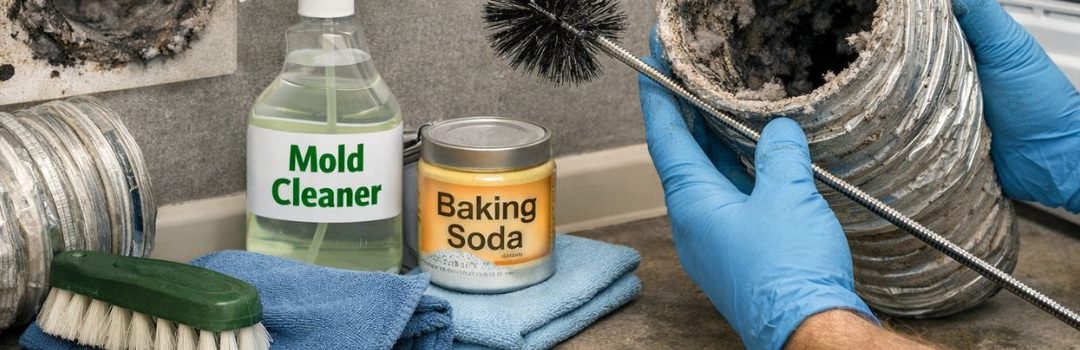
For residents of Langley, mold growth in dryer vents is a common but often overlooked problem. The damp environment inside dryer vents provides an ideal breeding ground for mold, which can lead to various health issues such as allergies and respiratory problems. Addressing mold in dryer vents is crucial not only for maintaining a healthy living environment but also for ensuring the safety of your home, along with applying simple DIY vent odor solutions to keep your system fresh.
Neglected dryer vents can become a serious fire hazard. Lint buildup combined with mold growth restricts airflow, causing the dryer to overheat. Dryer vent fires are a significant cause of home fires, making regular maintenance and mold removal essential for every homeowner in Langley.
Understanding Dryer Vent Mold
What is Dryer Vent Mold?
Dryer vent mold refers to the growth of mold inside the ductwork of a clothes dryer vent system. Mold forms when moisture accumulates in the vent, creating a damp environment that supports mold spores. These spores can attach to lint and other debris trapped within the vent, allowing mold colonies to develop and spread. Common types of mold found in dryer vents include species such as Aspergillus, Cladosporium, and Penicillium, which thrive in moist, warm conditions.
Causes of Mold Growth in Dryer Vents
Mold growth in dryer vents primarily results from moisture buildup. This can occur due to improper venting, such as vents that are too long, kinked, or obstructed, preventing moisture from escaping effectively. Blockages caused by lint accumulation also trap humidity inside the vent. Additionally, poor overall ventilation in the laundry area and humid environments increase the likelihood of mold formation. A lack of regular cleaning and maintenance of dryer vents further contributes to mold problems, as moisture and debris remain unchecked over time.
Health and Safety Risks
Mold spores released from dryer vents can cause respiratory issues and trigger allergies, especially in individuals sensitive to mold. Prolonged exposure can worsen asthma and other respiratory conditions. Beyond health concerns, mold and lint buildup in dryer vents pose significant fire hazards. Lint is highly flammable, and when combined with mold and restricted airflow, it increases the risk of dryer fires. Lint accumulation and mold presence in dryer vents are linked to many fire incidents. Nearly 34% of home dryer fires result from failure to clean vents regularly. This highlights the importance of keeping dryer vents clean and mold-free to ensure both health and safety.
Identifying Mold in Dryer Vents
Mold inside dryer vents can be a hidden problem, but there are several signs that can help you spot its presence early. Visually, mold often appears as black, green, or white fuzzy spots along the interior surfaces of the vent. You might notice discoloration or patches that seem damp or slimy. These patches can vary in size, sometimes covering large portions of the vent’s interior walls.
Another clear indicator is a musty or mildew-like odor coming from the dryer or the vent area. If you detect a persistent, unpleasant smell when your dryer is running or when you are near the vent, it could be a sign of mold growth inside the vent system.
Household members exposed to mold in dryer vents may experience symptoms such as coughing, sneezing, nasal congestion, or irritation of the eyes and throat. Those with allergies, asthma, or weakened immune systems might notice more severe reactions or increased respiratory issues. If you or your family are experiencing these symptoms and mold presence is suspected, it’s important to investigate and address the vent’s condition promptly.
DIY Dryer Vent Mold Removal: Step-by-Step Guide
Safety Precautions
Before starting the mold removal process, it is crucial to prioritize safety. Always wear personal protective equipment (PPE) such as gloves, a mask, and safety goggles to protect yourself from mold spores and dust. Additionally, ensure the dryer is completely disconnected from the power source to avoid any electrical hazards during the cleaning.
Tools and Materials Needed
- Vacuum with hose attachment
- Dryer vent cleaning brush kits
- Mild detergent or mold-specific cleaner
- Scrubbing brushes and microfiber cloths
Cleaning Procedure
Access the Dryer Vent
Begin by unplugging the dryer from the wall outlet. Carefully disconnect the dryer from the vent hose. Locate the vent covers on the exterior of your home and remove them to gain full access to the ductwork.
Remove Lint and Debris
Use the vacuum with the hose attachment and dryer vent cleaning brushes to thoroughly remove all lint and debris from the vent. Removing lint is essential because it not only blocks airflow but also significantly increases the risk of fire and mold growth.
Mold Removal
Apply a mold-specific cleaner or a vinegar solution to the affected areas inside the vent. Use scrubbing brushes to clean these areas thoroughly, ensuring you remove all visible mold. After scrubbing, wipe down the surfaces with microfiber cloths and allow the vent to dry completely to prevent mold from regrowing.
Inspect and Repair
Check the venting materials for any damage such as cracks, holes, or crushed sections. Damaged vents can trap moisture and encourage mold growth. Consider replacing flexible vent ducts with rigid or semi-rigid ducts, which are less prone to trapping moisture and mold accumulation.
Reassemble and Test
Reconnect the dryer to the vent and plug it back into the power source. Turn on the dryer and run it briefly to ensure proper airflow through the vent. This final step confirms that the cleaning and repairs were successful and that your dryer vent is functioning safely and efficiently.
Conclusion
Removing and preventing mold in dryer vents is crucial for maintaining a healthy and safe home environment. Mold buildup not only affects air quality but can also lead to costly repairs if left untreated. For Langley residents, regular dryer vent maintenance is essential to protect your family’s health and ensure your dryer operates efficiently.
Consistent cleaning and inspection reduce the risk of mold growth and significantly lower the chances of dryer vent fires, which remain a serious hazard in many households. Proper maintenance is one of the best ways to prevent such dangerous incidents.
By staying proactive with your dryer vent care, you can enjoy a safer home and extend the life of your appliances.

LET’S CONNECT
OPEN HOURS
Mon-Fri: 8AM-6PM
Saturday: 10AM-6PM
Sunday: 10AM-6PM
QUICK LINKS:
LET’S CONNECT
(778) 600-1787
service@langleyappliancesrepair.ca
OPEN HOURS
Mon-Fri: 8AM-6PM
Saturday: 10AM-6PM
Sunday: 10AM-6PM
QUICK LINKS:
© 2025 Langley Appliances Repair All Rights Reserved | Privacy Policy | Sitemap