

Easy DIY Ways to Eliminate Garbage Disposal Smells in Langley
Maintaining a fresh-smelling garbage disposal is essential for every kitchen in Langley. A clean and odor-free disposal not only keeps your kitchen smelling pleasant but also helps prevent the buildup of harmful bacteria. Common causes of unpleasant odors include food buildup, grease accumulation, mold, and bacterial growth within the disposal unit.
DIY solutions offer an effective way to tackle these odors without the need for expensive professional services, particularly when combined with an energy efficient plumbing setup. These methods are often cost-effective, natural, and environmentally friendly, making them an excellent choice for homeowners looking to maintain a clean and fresh kitchen environment in Langley.
Understanding Garbage Disposal Odors
Common Sources of Odors
Odors from garbage disposals often come from several common sources. Food particles can get trapped inside the disposal and begin to decompose, leading to unpleasant smells. Additionally, grease and fat buildup inside the unit can become rancid over time, contributing to foul odors. Mold and bacteria growth are also frequent culprits, thriving in the moist environment of the disposal. Lastly, issues with poor drainage or problems with the splash guard can cause leftover residue to linger, further worsening the smell.
Why Odors Develop
Garbage disposal odors typically develop because the environment inside the unit is warm and moist, which provides an ideal breeding ground for bacteria. If the disposal is not cleaned and maintained regularly, these bacteria multiply and produce bad smells. Another factor is the use of hot water during disposal operation; while it might seem like a good idea, hot water can cause grease to melt and then solidify further down the pipes, sticking to surfaces and trapping odors instead of washing them away.
Essential Tools and Ingredients for DIY Cleaning
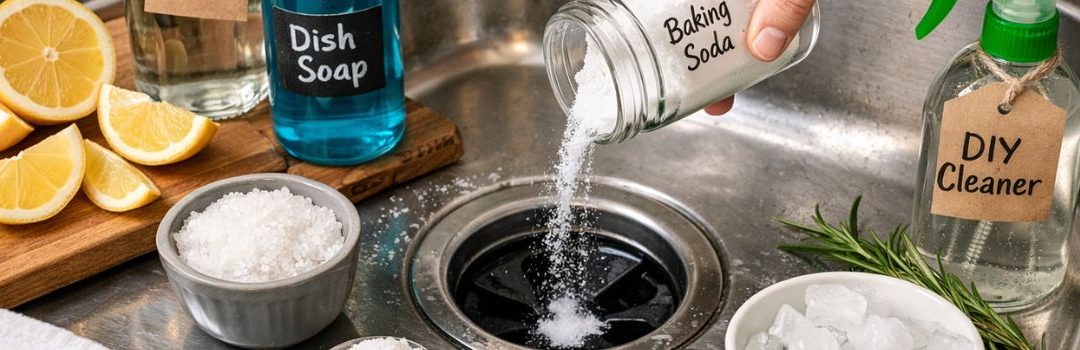
Keeping your garbage disposal fresh and odor-free requires just a few simple tools and ingredients that you likely already have at home. Here’s what you’ll need for effective DIY cleaning:
- Ice cubes: These help to dislodge food particles and debris stuck inside the disposal blades.
- Lemon or other citrus peels: Citrus peels are great for neutralizing odors and leaving a fresh scent. They also help to break down buildup inside the disposal.
- Baking soda: A natural deodorizer, baking soda absorbs unpleasant smells and works well when combined with vinegar for a deep clean.
- White vinegar: Vinegar acts as a mild disinfectant and helps dissolve grime and mineral deposits.
- Salt: Coarse salt adds an abrasive element that aids in scrubbing away stuck-on residue.
- Warm and cold water: Warm water helps loosen grease and grime, while cold water solidifies any remaining fats so they can be flushed out.
- Cleaning brushes or old toothbrush: These tools allow you to scrub the disposal’s interior parts, especially hard-to-reach areas, to remove buildup effectively.
Having these items on hand will make your DIY cleaning process straightforward and efficient, helping to maintain a fresh-smelling garbage disposal in your Langley kitchen.
Step-by-Step DIY Methods to Eliminate Odors
1. Ice Cubes and Salt Grinding
Grinding ice cubes and salt in your garbage disposal is an effective way to dislodge debris and sharpen the disposal blades. The ice helps to loosen stuck particles, while the salt acts as an abrasive to clean the blades and inner walls. For best results, fill the disposal about halfway with ice cubes, add a handful of coarse salt, and run cold water while turning on the disposal. This method should be used once a week to maintain cleanliness and prevent odors.
2. Citrus Peels for Natural Deodorizing
Using citrus peels such as lemon, lime, or orange is a natural way to freshen your garbage disposal. The oils in the peels release a clean, fresh scent and help break down residue inside the disposal. To use, cut the peels into small pieces, run cold water, turn on the disposal, and feed the peels gradually into it. Avoid large chunks to prevent clogging. Citrus peels are safe and can be used as often as needed to maintain a pleasant smell.
3. Baking Soda and White Vinegar Cleaning
This cleaning method uses a fizzing reaction to deodorize and clean the garbage disposal. Start by pouring half a cup of baking soda into the disposal, followed by one cup of white vinegar. Allow the mixture to fizz and sit for about 10-15 minutes to break down grime and neutralize odors. Afterward, rinse the disposal by running hot water for a few minutes while turning on the disposal. Using this method once a month helps keep the disposal fresh and clean. Be cautious not to mix this cleaning with harsh chemicals.
4. Cleaning the Splash Guard
The splash guard, located at the disposal’s opening, can trap food particles and bacteria, leading to odor buildup. Regular cleaning or replacement is essential to prevent smells. To clean, lift the splash guard and scrub it thoroughly with a paste made of baking soda and warm water. Rinse it well before placing it back. If the splash guard is damaged or overly worn, consider replacing it. Keeping this area clean significantly reduces odors.
5. Routine Cold Water Usage
Running cold water during and after using the garbage disposal helps prevent food particles from rotting and grease from sticking to the blades and pipes. Cold water solidifies grease, allowing it to be chopped up and flushed away, reducing buildup and odors. It’s best to keep cold water running for at least 15 seconds after finishing disposal use to ensure thorough flushing. Incorporating this simple habit into your routine maintains a cleaner, odor-free disposal.
Additional Tips for Preventing Garbage Disposal Odors
To keep your garbage disposal smelling fresh, avoid putting fibrous foods like celery or corn husks, starchy items such as potato peels, and greasy substances down the drain. These materials can clog or coat the blades, leading to unpleasant odors.
Make it a habit to run your disposal regularly, even if you don’t have food waste to grind. This helps prevent stagnation and keeps the parts moving smoothly.
Using natural enzyme-based cleaners periodically can break down organic buildup inside the disposal and pipes, reducing odors without harsh chemicals.
If unpleasant smells persist despite your efforts, consider scheduling professional maintenance. A technician can thoroughly clean and inspect your disposal to ensure it’s functioning properly and eliminate any lingering issues.
Environmental and Safety Considerations
Using natural, non-toxic cleaning agents for your garbage disposal not only keeps your kitchen smelling fresh but also benefits the environment. Ingredients like baking soda, vinegar, and lemon are effective at breaking down food residue and neutralizing odors without introducing harmful chemicals into your plumbing system or local waterways.
Harsh chemical cleaners may seem like a quick fix, but they can cause long-term damage to your pipes and septic system. Many commercial disposal cleaners contain corrosive substances that can erode plumbing materials, leading to leaks and costly repairs. Additionally, these chemicals can harm beneficial bacteria in septic tanks and contaminate groundwater, posing risks to both the environment and public health.
By choosing eco-friendly cleaning methods, you protect your home’s plumbing, reduce environmental impact, and maintain a safer kitchen environment for your family.
Troubleshooting Persistent Odors
Persistent odors from your garbage disposal can be frustrating and may indicate underlying issues beyond surface-level grime. One common cause is clogs or mechanical problems within the disposal unit. Food particles can get trapped in hard-to-reach areas, leading to buildup and unpleasant smells. To identify clogs, start by unplugging the disposal and using a flashlight to look inside. Remove any visible debris carefully with tongs or pliers, avoiding your hands. If the disposal has a manual crank, use it to rotate the blades and dislodge stuck material.
Mechanical issues such as dull or damaged blades, worn-out seals, or faulty motors can also contribute to persistent odors. You might notice unusual noises, slow draining, or the disposal not turning on as signs of these problems. In such cases, thorough cleaning might not be enough to eliminate the smell.
If you’ve tried these troubleshooting steps and the odor continues, it’s time to call a professional plumber in Langley. Experienced plumbers can inspect your garbage disposal for hidden issues, perform necessary repairs, or recommend replacements if needed. Addressing mechanical problems promptly can prevent further damage and keep your kitchen smelling fresh and clean.
Conclusion
Maintaining a fresh and odor-free garbage disposal in your Langley kitchen is achievable with simple DIY solutions. Regularly cleaning your disposal using natural ingredients like lemon, baking soda, and vinegar helps break down buildup and neutralize odors. Grinding ice cubes and citrus peels can also sharpen the blades and refresh the unit. Consistent habits such as running cold water during and after use, avoiding grease and fibrous waste, and periodic deep cleaning ensure your garbage disposal stays hygienic and efficient.
Adopting these routine practices not only eliminates unpleasant smells but also contributes to a healthier kitchen environment. By integrating these easy methods into your cleaning schedule, you can enjoy a kitchen that smells clean and functions smoothly without relying on harsh chemicals or professional services.

LET’S CONNECT
OPEN HOURS
Mon-Fri: 8AM-6PM
Saturday: 10AM-6PM
Sunday: 10AM-6PM
QUICK LINKS:
LET’S CONNECT
(778) 600-1787
service@langleyappliancesrepair.ca
OPEN HOURS
Mon-Fri: 8AM-6PM
Saturday: 10AM-6PM
Sunday: 10AM-6PM
QUICK LINKS:
© 2025 Langley Appliances Repair All Rights Reserved | Privacy Policy | Sitemap