

Freshen Up Your Kitchen with These DIY Solutions for Smelly Ovens
A clean and odor-free oven is essential for both cooking quality and overall kitchen hygiene. When an oven is free from unpleasant smells, it ensures that the flavors of your dishes remain pure and that your kitchen environment stays fresh. It also makes it easier to troubleshoot an uneven heat, since lingering grime and buildup can sometimes interfere with your oven’s performance.
Oven odors commonly arise from food spills, grease buildup, and burnt residues that accumulate over time. These residues not only cause bad smells but can also affect the performance of your oven.
Using natural, non-toxic cleaning methods to tackle these odors offers several benefits. These methods are safer for your health, environmentally friendly, and often just as effective as chemical cleaners at removing stubborn smells and grime.
Understanding Oven Odors
Oven odors can be a common issue in many kitchens, often making cooking less enjoyable and affecting indoor air quality. Understanding where these unpleasant smells come from is the first step toward effectively addressing them.
Sources of Unpleasant Smells in Ovens
Unpleasant smells in ovens usually originate from food residue, grease, and spills that remain after cooking. When food particles or fats are left on the oven walls or racks, they can burn during subsequent use, producing strong odors. Additionally, spills from sugary or fatty foods can carbonize and emit persistent smells. Another source can be the buildup of smoke or steam, especially if the oven is not cleaned regularly.
How Odors Develop and Linger Over Time
The odors develop as food residues decompose or burn, releasing volatile compounds that create bad smells. Over time, these residues can accumulate in hard-to-reach areas such as vents and corners, causing the odors to linger even when the oven is off. The heat during cooking can reactivate these residues, making the smell more noticeable. Without proper cleaning, these odors become embedded in the oven’s interior surfaces and can be difficult to remove.
Impact of Strong Odors on Cooking and Indoor Air Quality
Strong oven odors can negatively affect the taste and aroma of the food being cooked, sometimes imparting unwanted flavors. Furthermore, burning grease and food residues can release smoke and harmful particles, reducing indoor air quality. Prolonged exposure to these odors and airborne particles may cause discomfort or respiratory irritation, especially for individuals with allergies or sensitivities. Maintaining a clean oven helps ensure healthier air and better cooking outcomes.
Preparing Your Oven for Cleaning
Before you start cleaning your oven, it’s important to take some safety precautions. First, make sure the oven is turned off and completely cooled down to avoid burns. If your oven has been recently used, allow sufficient time for it to cool. Also, ensure the kitchen is well-ventilated by opening windows or turning on an exhaust fan to help dissipate any fumes from cleaning solutions.
Next, remove the oven racks and trays. These can be cleaned separately, which makes the cleaning process more efficient and thorough. Soaking them in warm, soapy water can help loosen grime before scrubbing.
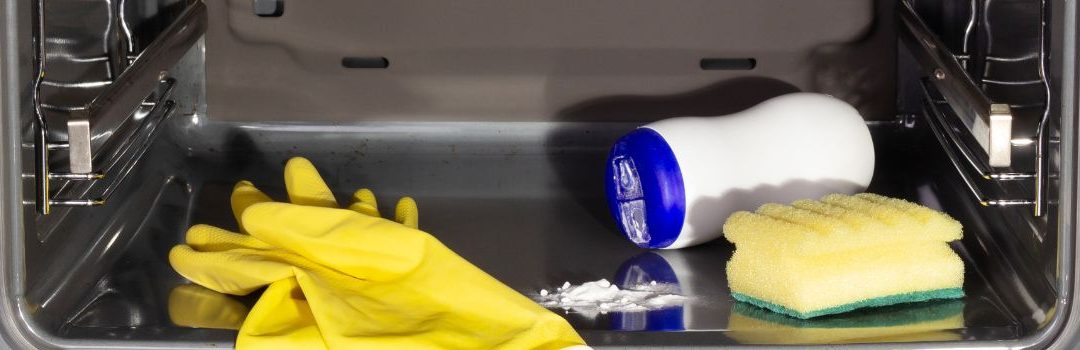
For DIY cleaning, gather the necessary tools and materials. Common items include baking soda, white vinegar, a spray bottle, a sponge or scrub brush, microfiber cloths, and rubber gloves. These simple ingredients and tools are effective for tackling oven odors and buildup without harsh chemicals.
Natural Cleaning Agents and Their Benefits
Baking Soda
Baking soda is widely known for its deodorizing effects, making it a popular choice for eliminating unpleasant odors in ovens. Its mild abrasive properties allow it to gently scrub away grease and grime without damaging surfaces. Simply sprinkle baking soda on the oven’s interior, let it sit, and then wipe clean for a fresh, odor-free finish.
White Vinegar
White vinegar serves as a natural disinfectant and odor neutralizer. It effectively breaks down grease and grime when sprayed inside the oven. When combined with baking soda, white vinegar creates a fizzy reaction that enhances cleaning power, loosening stubborn residues and making them easier to remove.
Citrus Fruits (Lemon, Orange)
Citrus fruits like lemon and orange provide fresh, natural fragrances that help mask oven odors. Their natural acids also assist in breaking down grease and baked-on food particles. Using citrus peels or fresh juice during cleaning adds a pleasant scent while boosting cleaning effectiveness.
Vanilla Extract
Vanilla extract offers a simple way to mask lingering oven odors with its pleasant aroma. Applying a small amount on a cotton ball or cloth and placing it inside the oven can help neutralize unwanted smells.
Activated Charcoal
Activated charcoal is highly effective at absorbing odors, making it ideal for ongoing odor control. Placing a small container of activated charcoal inside the oven when not in use can help maintain a fresh environment by trapping lingering smells.
Step-by-Step DIY Cleaning and Deodorizing Methods
Method 1: Baking Soda and Vinegar Paste
To make a powerful cleaning paste, mix half a cup of baking soda with a few tablespoons of water until you get a spreadable consistency. Apply this paste generously on the oven’s interior surfaces, especially on greasy or stained areas. Let the paste sit for at least 15-20 minutes to break down grime. Afterward, use a damp cloth or sponge to scrub the surfaces gently but thoroughly. Finally, wipe everything clean with water to remove any residue.
Method 2: Citrus Steam Treatment
Place several slices of lemon or orange into an oven-safe dish filled with water. Put the dish inside the oven and heat it to around 250°F (120°C). Allow the citrus-infused steam to fill the oven for about 30 minutes. This steam helps to loosen tough grime and grease while leaving a fresh, natural scent that deodorizes the oven effectively.
Method 3: Baking Vanilla or Citrus Peels
For a simple way to infuse your oven with a pleasant aroma, place a small oven-safe dish containing vanilla extract or fresh citrus peels inside the oven. Heat the oven at a low temperature, about 200°F (90°C), for 20-30 minutes. The warmth will release the fragrance, creating a fresh scent that helps mask any lingering odors.
Method 4: Activated Charcoal Placement
Activated charcoal is excellent at absorbing odors. Place charcoal bags or containers inside the oven when it is not in use. Leave them there for several hours or overnight to effectively neutralize unwanted smells. This method works well as a passive deodorizer without any cleaning required.
Additional Tips for Maintaining a Fresh-Smelling Oven
Maintaining a fresh-smelling oven requires consistent care and attention. Establishing a regular cleaning schedule can prevent the buildup of food residue and grease, which are common sources of unpleasant odors. Aim to clean your oven at least once a month, or more often if you use it frequently.
To minimize odors, avoid spills by placing food on trays or using oven liners. In case of accidental messes, clean them promptly before they have a chance to bake onto the oven surfaces. Oven liners or drip trays are especially helpful in catching drips and crumbs, making cleanup easier and keeping odors at bay.
Proper ventilation is also important. Ensure your kitchen is well-ventilated during and after cooking by opening windows or turning on exhaust fans. This helps disperse cooking smells and prevents them from lingering inside the oven.
By following these simple practices, you can keep your oven smelling fresh and ready for your next meal.
Troubleshooting Persistent Oven Odors
Sometimes, despite regular cleaning and using DIY solutions, oven odors can persist. Identifying the sources of these stubborn smells is the first step in effectively addressing the problem.
Identifying Stubborn Odor Sources
Persistent oven odors often come from areas that are difficult to reach or clean thoroughly. Common sources include:
- Burnt-on food residues: Food particles trapped in crevices, under heating elements, or inside oven vents can continue to emit unpleasant smells.
- Drip pans and trays: These can accumulate grease and spills over time, becoming a hotspot for odors.
- Oven seals and door gaskets: If these are damaged or dirty, they can trap food debris and odors.
- Ventilation system: A blocked or dirty vent can cause smells to linger inside the oven and kitchen.
Carefully inspect these areas to determine if they are the cause of persistent odors. Using a flashlight and a small brush can help reach hidden spots.
When to Consider Professional Cleaning or Oven Maintenance
If odors remain after thorough DIY cleaning, it may be time to seek professional help. Consider professional cleaning or oven maintenance in the following situations:
- Deep-seated grease and grime: Professionals have specialized tools and cleaning agents to remove stubborn build-up.
- Damaged oven components: Worn-out seals or malfunctioning parts can contribute to odors and may require replacement.
- Electrical or gas issues: Unusual smells might indicate a gas leak or electrical fault, which need immediate expert attention.
- Persistent odors despite cleaning: If you’ve cleaned the oven multiple times and the smell persists, a professional can diagnose hidden problems.
Scheduling a professional oven service can extend the life of your appliance and ensure it operates safely and odor-free.
Eco-Friendly and Non-Toxic Cleaning Practices
Using homemade cleaners for your oven offers several advantages over commercial chemical products. Homemade solutions typically use simple, natural ingredients like baking soda, vinegar, and lemon juice, which are non-toxic and safe for both your health and the environment. Unlike many commercial oven cleaners that contain harsh chemicals and strong fumes, homemade cleaners reduce the risk of respiratory irritation and skin burns, making them safer to use in your home. Additionally, these natural ingredients are often biodegradable and do not contribute to pollution or harmful chemical runoff.
By choosing eco-friendly cleaning methods, you also minimize your environmental footprint. Commercial oven cleaners often come in plastic packaging and include chemicals that can harm aquatic life and contaminate soil when disposed of improperly. Homemade cleaners, on the other hand, usually require fewer resources to produce and generate less waste. This approach not only keeps your oven clean and odor-free but also supports sustainability efforts by reducing chemical use and waste generation.
In summary, opting for non-toxic, homemade oven cleaning solutions is an effective way to maintain cleanliness while protecting your health and the environment. It is a practical choice that aligns with eco-conscious living and helps reduce the overall environmental impact of household cleaning activities.
Summary and Final Recommendations
Deodorizing a smelly oven can be effectively achieved using several simple DIY methods. Key approaches include using natural ingredients such as baking soda, vinegar, citrus, and vanilla to neutralize odors and leave a fresh scent behind. Baking soda acts as a powerful deodorizer when sprinkled inside the oven, while vinegar helps break down residue and eliminate persistent smells. Citrus peels and vanilla extract can add a pleasant aroma, making your oven smell inviting once again.
For best results, it’s important to maintain a regular cleaning routine. This prevents buildup of food residue and grease, which are common sources of unpleasant odors. Consistent upkeep using these natural methods ensures your oven remains fresh and safe to use. By relying on these simple, non-toxic ingredients and regular care, you can keep your oven smelling clean without harsh chemicals.

LET’S CONNECT
OPEN HOURS
Mon-Fri: 8AM-6PM
Saturday: 10AM-6PM
Sunday: 10AM-6PM
QUICK LINKS:
LET’S CONNECT
(778) 600-1787
service@langleyappliancesrepair.ca
OPEN HOURS
Mon-Fri: 8AM-6PM
Saturday: 10AM-6PM
Sunday: 10AM-6PM
QUICK LINKS:
© 2025 Langley Appliances Repair All Rights Reserved | Privacy Policy | Sitemap