
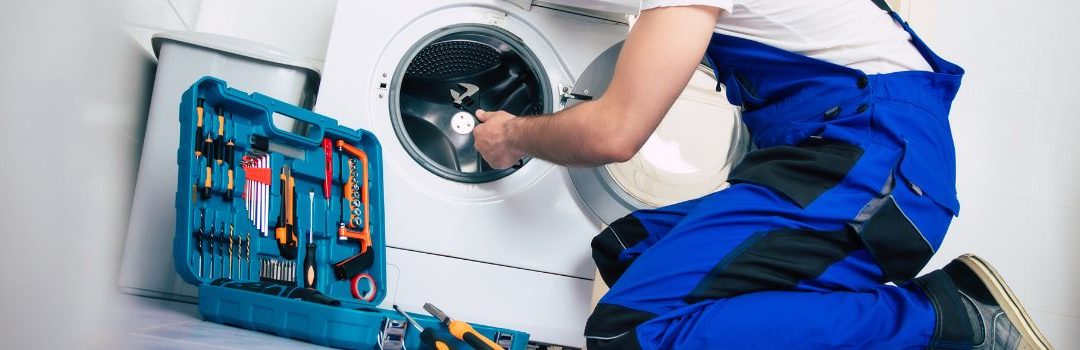
Regular washing machine maintenance is essential for ensuring the longevity and efficiency of your appliance. By performing routine tune-ups, you can prevent common problems, reduce energy consumption, and extend the life of your washing machine. This is especially important in the Langley area, where factors like hard water and frequent use can contribute to wear and tear.
Homeowners in Langley often encounter issues such as clogged filters, detergent buildup, and drainage problems. These problems can lead to poor cleaning performance, unpleasant odors, and even machine breakdowns if left unaddressed. Understanding these common issues and consulting a washing machine reset guide allows you to take proactive steps in maintaining your washing machine.
While many tune-up tasks can be handled through DIY methods, it is important to recognize when professional repair services are necessary. Balancing routine maintenance with expert assistance ensures your washing machine remains in optimal condition without risking further damage. This guide will help you navigate that balance effectively.
Understanding Your Washing Machine
Types of Washing Machines Common in Langley
In Langley, the two most common types of washing machines are top-loading and front-loading models. Top-loading machines have a lid on the top and a central agitator that moves clothes during the wash cycle. They are usually more affordable and easier to load and unload. Front-loading machines, on the other hand, have a door on the front and use a tumbling action to clean clothes, which tends to be gentler and more energy-efficient.
Key components of both types include the drum or tub where clothes are washed, the agitator or impeller that moves the clothes, the motor that powers the machine, the water inlet valves, the drain pump for removing water, and the control panel which allows you to select wash cycles and settings.
Common Problems and Symptoms
Washing machines in Langley often experience issues such as leaks, unusual noises, draining problems, and unpleasant odors. Leaks can result from worn door seals, loose hoses, or faulty water inlet valves. Noises might indicate unbalanced loads, worn bearings, or foreign objects trapped inside the drum.
Draining issues often stem from clogged filters or malfunctioning drain pumps. Odors usually develop from mold or mildew buildup inside the drum or detergent dispensers, especially if the machine is not regularly cleaned or left closed when damp.
Minor issues like small leaks or occasional noises can often be resolved with simple DIY fixes such as tightening hose connections, cleaning filters, or running cleaning cycles. However, persistent leaks, loud grinding noises, or failure to drain may signal major repairs requiring professional service.
DIY Washing Machine Tune-Up Steps
Safety Precautions
Before starting any DIY washing machine tune-up, always disconnect the power supply and turn off the water. This step is crucial to avoid electrical shocks and water damage. Keep in mind that some DIY repairs can be risky and may void your washing machine’s warranty, so proceed carefully and consider consulting a professional if unsure.
Routine Maintenance Tasks
Regular maintenance helps keep your washing machine running efficiently. Start by cleaning the detergent dispensers, drums, and rubber gaskets. Residue buildup in these areas can cause odors and reduce performance.
Next, inspect and clean the filters and hoses. Clogged filters can restrict water flow, while worn or cracked hoses might lead to leaks. Replacing damaged hoses promptly prevents water damage.
Finally, check the door seals for signs of wear and tear. Damaged seals can cause leaks during operation and should be replaced to maintain a watertight closure.
Troubleshooting Common Issues
For minor leaks, first identify the source check hoses, seals, and dispensers for loose connections or damage. Tightening fittings or replacing faulty parts usually resolves the problem.
If your washing machine is noisy or unbalanced during cycles, ensure the machine is level and that the load is evenly distributed. Remove any small objects trapped in the drum or pump.
When the control panel malfunctions or the machine stops responding, try resetting it by unplugging the machine for a few minutes before plugging it back in. This simple step often clears errors and restores normal function.
When to Repair vs When to Upgrade
Factors Influencing the Decision
When deciding whether to repair or upgrade your washing machine, several key factors should be considered. The age of the washing machine plays a significant role; older machines are often less efficient and more prone to breakdowns. Comparing the cost of repairs versus the price of a replacement is essential if repair costs approach or exceed half the price of a new machine, upgrading may be the better option. Additionally, energy efficiency and environmental impact are important. Newer models typically use less water and electricity, reducing utility bills and environmental footprint.
Evaluating Repair Feasibility
Understanding the complexity of the repair is crucial. Some issues require specialized tools and expertise, which may increase repair costs and time. It’s also important to consider the availability of replacement parts and brand support. For certain brands or older models, parts might be scarce or discontinued, making repairs difficult or inefficient.
Benefits of Upgrading
Upgrading your washing machine brings several advantages. New models are designed to be more energy-efficient, helping to lower electricity and water usage. They also offer improved washing performance, including better stain removal and gentler fabric care. Additionally, upgraded machines often come with advanced features such as smart controls, faster cycles, and quieter operation, enhancing convenience and overall user experience.
Tips for Long-Term Washing Machine Care
Regular Maintenance Schedule
Maintaining a regular schedule for washing machine care is essential to keep your appliance running smoothly. Monthly tasks can include checking and cleaning the detergent drawer and door seals to prevent mold and residue buildup. Quarterly, you should inspect hoses for any signs of wear or leaks and clean the machine’s drum with a washing machine cleaner or a vinegar solution. Annually, consider having a professional service your washing machine to check internal components and ensure everything is functioning correctly.
Proper Usage Practices
Using the correct type and amount of detergent is crucial for your washing machine’s longevity. High-efficiency (HE) machines require HE detergent to avoid excess suds that can damage the pump and other parts. Always follow the detergent manufacturer’s instructions and your machine’s guidelines to prevent buildup and maintain performance. Additionally, avoid overloading your washing machine. Overloading strains the motor and suspension system and results in less effective cleaning.
Environmental and Cost Benefits
Regular upkeep of your washing machine not only extends its lifespan but also contributes to energy and water savings. Efficient models combined with proper maintenance consume less electricity and water, lowering your utility bills. By reducing energy consumption and water waste, you minimize your environmental footprint while saving money over time.
Conclusion
For Langley residents, regular DIY washing machine maintenance can extend the life of your appliance and improve its efficiency. Key takeaways include routinely cleaning the detergent drawer and drum, checking hoses for leaks or cracks, and ensuring the machine is level to prevent unnecessary wear. These simple steps help keep your washing machine running smoothly and can prevent costly repairs.
However, while DIY tune-ups are valuable, it’s important to recognize when professional assistance is needed. Complex issues or persistent problems should be handled by qualified technicians to ensure safety and proper repair. Balancing routine at-home care with expert support will provide the best results for maintaining your washing machine in top condition.

LET’S CONNECT
OPEN HOURS
Mon-Fri: 8AM-6PM
Saturday: 10AM-6PM
Sunday: 10AM-6PM
QUICK LINKS:
LET’S CONNECT
(778) 600-1787
service@langleyappliancesrepair.ca
OPEN HOURS
Mon-Fri: 8AM-6PM
Saturday: 10AM-6PM
Sunday: 10AM-6PM
QUICK LINKS:
© 2025 Langley Appliances Repair All Rights Reserved | Privacy Policy | Sitemap