
How to Restore Dryer Vents in Older Homes Across Langley
Maintaining dryer vents in older homes is crucial for safety and efficiency. Over time, vents can accumulate lint and debris, leading to blockages that increase the risk of fire and reduce the dryer’s performance. In Langley, older homes often face unique challenges with their dryer vent systems due to aging materials, outdated installations, and changes in building standards. In Langley, trusted dryer vent maintenance experts often point out that these systems require extra attention due to their age and design limitations.
These homes may have vents that are improperly routed, damaged, or made from combustible materials, all of which can pose serious safety hazards. Additionally, inefficient vents cause longer drying times, higher energy bills, and increased wear on appliances. Common problems include clogged ducts, poor ventilation, and moisture buildup, which can lead to mold and structural damage.
Understanding these issues is essential for homeowners in Langley to ensure their dryer vents are safe, functional, and compliant with current standards.
Understanding Dryer Vent Systems in Older Homes
Typical Dryer Vent Configurations in Older Homes
In older homes, dryer vent systems were often installed using materials that are considered outdated by today’s standards. Flexible foil and plastic vents were commonly used due to their low cost and ease of installation. These materials, however, are prone to damage and are not always compliant with current building codes. Installation practices from past decades often placed less emphasis on proper vent routing and termination, sometimes resulting in longer, more convoluted vent paths that complicate airflow and maintenance.
Common Issues with Older Dryer Vent Systems
Outdated Materials and Their Risks
Many older dryer vents use combustible or non-compliant materials that pose significant safety hazards. Flexible plastic and foil vents can easily tear or collapse, leading to lint buildup and restricted airflow. Such materials increase the risk of fires and are discouraged under modern safety guidelines.
Improper Vent Termination Locations
Older homes sometimes feature dryer vents that terminate in unsafe locations such as attics or crawl spaces. Venting into these enclosed areas traps moisture and lint, creating an environment conducive to mold growth and fire hazards. Proper vent termination must direct exhaust outside the home to prevent these risks.
Lint Buildup and Blockages
Lint accumulation is a common problem in older dryer vent systems, especially when vents are made from materials prone to damage or are installed with multiple bends. Blocked vents restrict airflow, causing the dryer to overheat and increasing the risk of fires. Regular cleaning is essential, as lint buildup is a leading cause of dryer-related fires.
Structural Challenges
Older constructions often present difficulties in accessing dryer vents for inspection, cleaning, or repairs. Vents may be routed through walls, ceilings, or tight spaces not designed for easy maintenance, which can lead to neglect and increased safety risks over time.
Safety Risks Associated with Neglected Dryer Vents
Neglected or poorly maintained dryer vents in older homes pose serious safety risks. Dryer vent fires are a significant concern and account for numerous house fires annually, often caused by lint buildup and overheating. Blocked vents can also cause carbon monoxide to back up into the home, posing health hazards. Additionally, restricted airflow forces dryers to work harder, leading to higher energy consumption and increased utility costs.
Diagnosing Problems in Dryer Vent Systems
Signs of Faulty or Inefficient Dryer Vents
Identifying issues with your dryer vent is crucial for maintaining efficiency and safety. Common signs that your dryer vent may be faulty or inefficient include:
- Longer drying times: If your clothes are taking noticeably longer to dry, it could indicate a blockage or restriction in the vent system.
- Excessive heat or moisture near the dryer: Heat buildup or moisture accumulation around the dryer area often points to poor ventilation.
- Visible lint around vent openings: Lint escaping from vent openings is a clear sign of leaks or damaged venting.
- Musty odors or mold growth: Persistent damp smells or visible mold near the vent area suggest moisture is getting trapped, often due to ventilation problems.
Inspection Techniques
Proper diagnosis starts with a thorough inspection of the dryer vent system:
- Visual inspection of vent material and routing: Check the entire length of the vent for crushed, disconnected, or deteriorated sections. Older homes may have outdated materials like foil or plastic vents that can degrade over time.
- Checking vent termination points for proper placement: Ensure the vent outlet is not blocked and is positioned away from windows, doors, or other openings to prevent lint and moisture from re-entering the home.
- Professional video inspection options: For hard-to-reach or long vent runs, a professional video inspection can provide a detailed view of internal blockages, damage, or improper installation.
Regularly diagnosing and addressing dryer vent issues helps improve drying efficiency, reduces fire risks, and maintains indoor air quality in older homes.
Step-by-Step Guide to Dryer Vent Restoration in Older Homes
Assessment and Planning
Begin by thoroughly evaluating the current dryer vent system to identify any signs of wear, damage, or outdated components. Older homes often have vent systems that don’t meet modern safety standards or building codes, so it’s crucial to check for compliance with local regulations. Look for issues such as crushed ducts, excessive bends, or vent materials that are no longer recommended.
Material Selection for Restoration
When selecting materials for restoring your dryer vent, rigid metal ducts are the preferred choice. Unlike flexible or plastic ducts, rigid metal ducts resist crushing and reduce the risk of lint buildup, improving airflow and safety. They are more durable and less prone to fire hazards. Additionally, use recommended vent caps and termination accessories designed to prevent pests and blockages.
Installation Best Practices
Proper installation is key to an effective dryer vent system. Route the vent to minimize length and bends, as longer runs and sharp turns can trap lint and reduce dryer efficiency. Ensure the vent terminates outdoors and is positioned away from any obstructions such as windows, doors, or vents from other systems. All joints should be sealed with metal tape rather than duct tape, which can degrade over time and cause leaks or disconnections.
Cleaning and Maintenance Procedures
Maintaining a clean dryer vent is essential to prevent fire hazards and keep your dryer running efficiently. Regularly remove lint from the dryer lint trap and the vent itself using appropriate tools. Homeowners can use brushes and vacuum attachments designed for dryer vents. Additionally, schedule professional cleanings periodically to clear deep lint buildup that is difficult to reach.
Enhancing Dryer Vent Safety and Efficiency
Preventative Measures
Installing lint traps and screens is a crucial step in maintaining dryer vent safety and efficiency. These devices catch lint before it enters the vent system, reducing the risk of blockages and potential fire hazards. Additionally, using moisture sensors can help detect vent blockages early. Moisture sensors monitor the humidity levels in the vent and alert homeowners if a buildup occurs, allowing for timely cleaning and maintenance.
Energy Efficiency Improvements
The condition of your dryer vent significantly impacts the energy consumption of your dryer. A clogged or poorly maintained vent forces the dryer to work harder and longer to dry clothes, increasing energy use. Upgrading the vent system, such as replacing old ducts with smooth, rigid metal pipes, improves airflow and reduces drying times. These improvements can lead to noticeable savings on utility bills over time, making vent restoration a cost-effective energy efficiency upgrade.
Fire Prevention Strategies
Routine inspections of dryer vents are essential to prevent fire hazards. Lint accumulation is a leading cause of dryer fires, and regular checks can identify and eliminate these risks before they become dangerous. Educating homeowners about the signs of potential hazards such as longer drying times, a burning smell, or excessive heat near the dryer empowers them to take action promptly and maintain a safer home environment.
Hiring Professionals vs. DIY Restoration
When to Call a Professional
In older homes, dryer vent systems can be complex, often featuring multiple bends, long runs, or hard-to-reach areas. If your vent has a complicated configuration, it’s best to hire a professional who has the right tools and experience to thoroughly inspect and clean the entire system. Professionals can also identify signs of severe damage, such as corrosion, disconnected ducts, or buildup that poses a fire hazard. If you notice any burning smells, excessive lint accumulation, or your dryer is overheating, these are clear indicators to seek expert help immediately.
DIY Restoration Tips
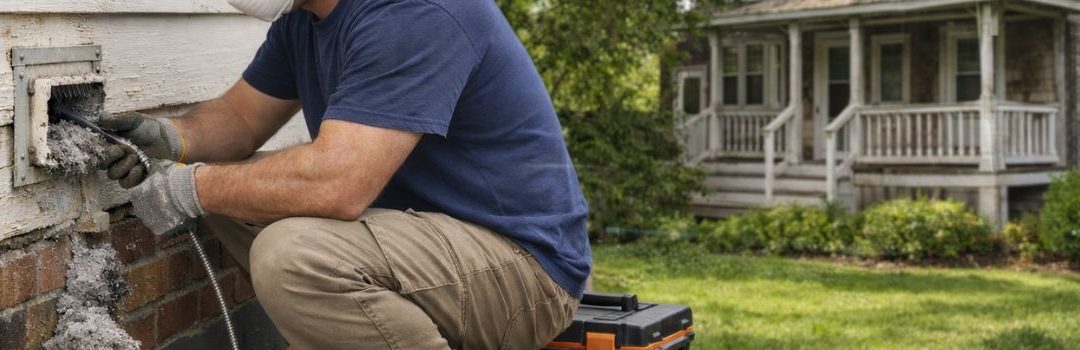
For simpler dryer vent maintenance, homeowners can perform basic cleaning and inspection safely on their own. Start by unplugging the dryer and disconnecting the vent from the back of the machine. Use a vent brush or vacuum attachment to remove lint buildup from the duct and vent hood outside. Inspect the vent for any visible damage or blockages.
While working, always prioritize safety: wear a dust mask to avoid inhaling lint and debris, and ensure the dryer is completely unplugged to prevent accidental starts. Regularly cleaning the lint trap after every load also helps keep the vent system clear.
Local Resources and Regulations in Langley
Langley Building Codes for Dryer Vents
In Langley, proper dryer vent installation and restoration must comply with local building codes to ensure safety and efficiency. When undertaking dryer vent restoration, homeowners are required to obtain permits from the city’s building department. These permits confirm that the work meets the standards set for ventilation systems, including the use of approved materials and correct vent routing. Compliance helps prevent fire hazards and improves dryer performance, which is especially important in older homes where outdated or damaged vents are common.
Trusted Local Service Providers
For residents in Langley looking to restore their dryer vents, several professional service providers specialize in dryer vent cleaning and restoration. These experts are familiar with local regulations and building codes, ensuring that all work is up to standard. Hiring a trusted professional not only guarantees a thorough restoration but also provides peace of mind that the system is safe and efficient. It is recommended to choose companies with positive customer reviews and proper licensing to handle dryer vent projects in older homes.
Conclusion
Proper dryer vent care is essential, especially in older homes where vents may be deteriorated or blocked. Identifying issues such as lint buildup, damaged ducts, or poor ventilation is the first step towards restoration. Restoring your dryer vent involves thorough cleaning, repairing or replacing damaged sections, and ensuring proper installation to maintain safety and efficiency.
Regular maintenance is crucial to prevent fire hazards, improve dryer performance, and reduce energy costs. Older homes require more attention due to the age of the vent system and potential wear and tear.
By prioritizing dryer vent restoration and upkeep, homeowners in Langley can significantly enhance the safety of their homes and ensure their dryers operate efficiently. Consistent care is a simple yet effective way to protect your property and extend the lifespan of your appliances.

LET’S CONNECT
OPEN HOURS
Mon-Fri: 8AM-6PM
Saturday: 10AM-6PM
Sunday: 10AM-6PM
QUICK LINKS:
LET’S CONNECT
(778) 600-1787
service@langleyappliancesrepair.ca
OPEN HOURS
Mon-Fri: 8AM-6PM
Saturday: 10AM-6PM
Sunday: 10AM-6PM
QUICK LINKS:
© 2025 Langley Appliances Repair All Rights Reserved | Privacy Policy | Sitemap