

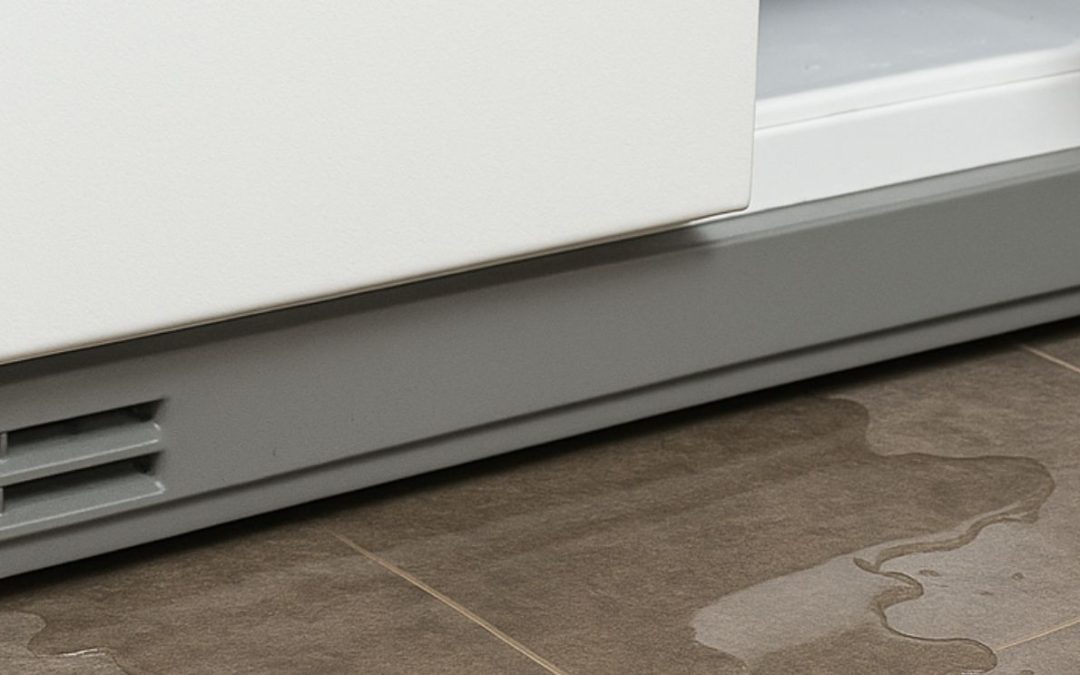
Why Langley Fridges Start Leaking: The Hidden Role of Seasonal Humidity
Langley experiences notable seasonal humidity fluctuations throughout the year. During certain times, especially in the warmer months, the air holds more moisture, leading to increased humidity levels indoors and outdoors. These changes in humidity can have a direct impact on household appliances, including refrigerators.
Understanding how seasonal humidity affects refrigerator function and integrity is essential for maintaining appliance performance and preventing issues. High humidity can influence the way a fridge operates, sometimes causing problems that may not be immediately obvious. A compact refrigerator buying guide can help homeowners choose models that handle humidity better.
One common issue linked to humidity is fridge leaks. These leaks often occur when excess moisture accumulates and condenses, leading to water pooling inside or outside the refrigerator. Common causes include clogged defrost drains, damaged door seals, or improper drainage, all of which can be exacerbated by fluctuating humidity levels.
The Science Behind Humidity and Fridge Interaction
What is Humidity?
Humidity refers to the amount of water vapor present in the air. Relative humidity (RH) is a measure expressed as a percentage, indicating how much moisture the air holds relative to the maximum it can hold at a given temperature. In Langley, relative humidity varies seasonally, typically rising during warmer months and dropping as temperatures cool. This fluctuation is influenced by temperature changes since warmer air can retain more moisture, leading to higher humidity levels during spring and summer.
How Humidity Interacts with Refrigerator Surfaces
When warm, humid air comes into contact with the cold surfaces of a refrigerator, condensation forms. This happens because the temperature of the fridge surface is lower than the dew point of the surrounding air, causing moisture in the air to turn into water droplets. The temperature difference between the indoor environment and the fridge’s interior and exterior surfaces is a key factor in this process. The greater the contrast, the more likely condensation will develop, which can lead to visible water accumulation and leaks around the fridge.
Mechanisms of Fridge Leaks Triggered by Seasonal Humidity
Condensation and Water Accumulation
During periods of high seasonal humidity, condensation often forms on the fridge doors and around the seals. This happens because the moisture in the warm, humid air comes into contact with the cooler surfaces of the refrigerator, causing water droplets to develop. Over time, this excess moisture can drip down and pool beneath the fridge, resulting in visible leaks.
Ice Buildup and Melting Cycles
High humidity levels can also lead to ice accumulation on the cooling coils inside the fridge. Moist air entering the unit condenses and freezes on these coils, creating an ice buildup. When the fridge goes through its defrost cycle, this ice melts, sometimes producing more water than the drain system can handle, which causes water to overflow and leak out of the fridge.
Corrosion and Component Damage
Moisture from humid air can combine with refrigerants and lubricants inside the fridge to form acidic compounds. These acids corrode metal parts such as pipes and seals over time. The corrosion weakens these components, leading to cracks or holes that allow refrigerant or water to leak, further contributing to fridge leaks during humid seasons.
Impact of Seasonal Humidity on Refrigerator Performance
Increased Energy Consumption
Seasonal humidity can cause condensation and ice buildup inside the refrigerator. When moisture accumulates, it forces the fridge to work harder to maintain the desired temperature. This increased workload leads to higher energy consumption and can reduce the lifespan of the appliance. Managing condensation is crucial to keep energy use efficient and prevent unnecessary strain on the refrigerator’s cooling system.
Mold and Bacterial Growth
High humidity levels create moist environments both inside and outside the fridge, which promote mold and bacterial growth. These microorganisms thrive in warm, damp conditions, posing health risks and potentially contaminating stored food. Mold growth not only damages the interior surfaces of the refrigerator but also compromises food safety, making it essential to control humidity to prevent these issues.
Damage to Stored Items
Fluctuating humidity levels can lead to moisture damage and spoilage of food items stored in the refrigerator. Excess moisture may cause packaging to become soggy, labels to peel, and food to deteriorate faster. Additionally, inconsistent humidity can affect the texture, taste, and overall quality of perishable goods, reducing their shelf life and increasing waste. Proper humidity control helps maintain the freshness and safety of stored food.
Seasonal Humidity Patterns Specific to Langley and Their Effects
Summer: High Humidity Challenges
During the summer months in Langley, humidity levels tend to rise significantly. This increase in moisture in the air leads to higher condensation inside and around refrigerators. Excess condensation can promote mold growth, which not only affects the fridge’s cleanliness but can also damage its internal components over time. Additionally, this moisture can cause ice buildup on cooling components, disrupting the fridge’s ability to regulate temperature effectively and potentially leading to leaks. Managing this moisture is crucial to maintaining fridge performance and preventing water damage.
Winter: Low Humidity and Indoor Heating Effects
In contrast, Langley’s winter season usually brings low humidity levels, especially indoors where heating systems dry out the air. This dry environment can cause fridge seals to become brittle and crack, compromising the appliance’s ability to maintain proper temperature and seal moisture inside. Damaged seals increase the risk of leaks as cold air escapes and condensation forms in unintended areas. Furthermore, the dry air and compromised seals can reduce fridge efficiency, forcing it to work harder and increasing the likelihood of mechanical issues and water leakage. Proper maintenance during this season is essential to mitigate these risks.
Preventative Measures and Maintenance Strategies
Controlling Indoor Humidity
Managing indoor humidity is crucial to prevent fridge leaks triggered by seasonal moisture changes. Using dehumidifiers helps reduce ambient moisture levels, creating a more stable environment for your refrigerator. Additionally, proper ventilation improves air circulation, further minimizing excess humidity. Maintaining optimal humidity levels not only prevents leaks but also ensures the fridge operates efficiently and prolongs its lifespan
Regular Refrigerator Maintenance
Routine maintenance is essential to keep your fridge leak-free. Inspect door seals regularly and replace any that are worn or damaged, as faulty seals allow warm, moist air inside, promoting condensation and leaks. Cleaning cooling coils prevents ice buildup, which can block drainage paths and cause water to pool inside or outside the unit. It’s also important to check drainage systems for blockages to ensure proper water flow and avoid leaks
Proper Usage Practices
How you use your refrigerator can impact its susceptibility to leaks. Limiting the duration that fridge doors remain open reduces the amount of warm, humid air entering the unit, lowering condensation risk. Avoid placing hot or uncovered moist foods inside, as they increase internal humidity and can lead to excessive moisture buildup. Following these usage habits helps maintain a dry interior and prevents leakage issues.
Advanced Solutions and Technologies
Humidity Sensors and Smart Fridge Features
Modern refrigerators are increasingly equipped with humidity sensors that monitor condensation and moisture levels inside the appliance. These sensors help regulate the internal environment by adjusting cooling cycles and airflow, reducing the chances of excessive moisture buildup that can lead to leaks. Smart fridge features often include alerts for unusual humidity or condensation, allowing users in Langley to take timely action before leaks develop.
Insulation Improvements
Improving insulation in fridge doors and bodies plays a critical role in minimizing temperature differences that cause condensation. Enhanced insulation materials reduce heat transfer between the fridge interior and the external environment, helping maintain stable temperatures. This stability limits the formation of excess moisture and prevents water from accumulating and leaking. Upgraded insulation is a practical solution for combating seasonal humidity challenges specific to Langley’s climate.
Conclusion
Seasonal humidity in Langley plays a significant role in causing fridge leaks. As humidity levels rise, excess moisture accumulates inside and around the refrigerator, leading to condensation and water buildup that can result in leaks. Understanding this connection is crucial for preventing damage and maintaining the appliance’s efficiency.
Proactive humidity management and regular maintenance are essential to address this issue. Simple steps like ensuring proper door seals, keeping the fridge clean, and using dehumidifiers or moisture absorbers can effectively reduce excess moisture. Routine checks and timely repairs help avoid the complications caused by persistent leaks.
By adopting these recommended strategies, residents of Langley can prolong the lifespan of their refrigerators and prevent the inconvenience and potential damage caused by leaks. Staying vigilant about humidity’s impact on refrigeration is a practical approach to preserving both the appliance and the quality of stored food.

LET’S CONNECT
OPEN HOURS
Mon-Fri: 8AM-6PM
Saturday: 10AM-6PM
Sunday: 10AM-6PM
QUICK LINKS:
LET’S CONNECT
(778) 600-1787
service@langleyappliancesrepair.ca
OPEN HOURS
Mon-Fri: 8AM-6PM
Saturday: 10AM-6PM
Sunday: 10AM-6PM
QUICK LINKS:
© 2025 Langley Appliances Repair All Rights Reserved | Privacy Policy | Sitemap