

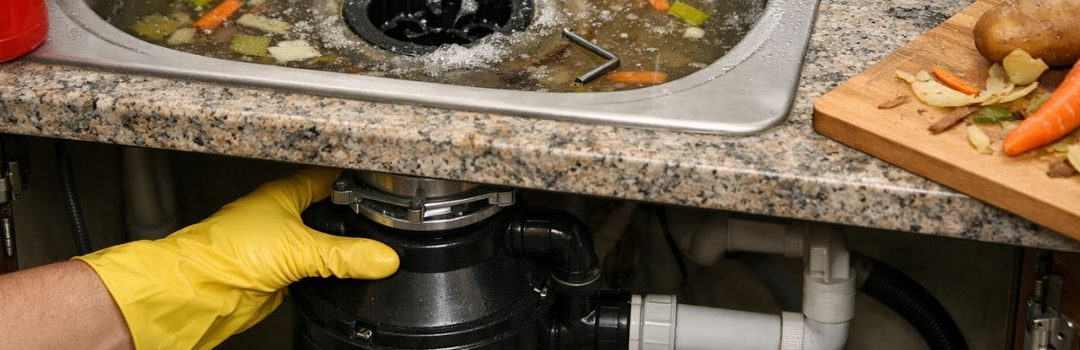
What Causes Grinding Problems in Kitchen Garbage Disposals
Kitchen sink garbage disposals have become an essential appliance in modern households, making kitchen cleanup more efficient and environmentally friendly. By quickly grinding food waste, they reduce the amount of trash sent to landfills and help keep kitchens clean and odor-free.
Understanding Garbage Disposal Systems
How Garbage Disposals Work
A garbage disposal system consists of a few basic components that work together to grind food waste into small particles. The main parts include a motor, impellers, and a grinding chamber. When the disposal is turned on, the motor powers the impellers, which spin rapidly inside the grinding chamber. The food waste is forced against a grinding ring, breaking it down into tiny pieces that can easily pass through the plumbing system.
The typical operation cycle starts when the user activates the disposal, usually by flipping a switch. The motor then turns on, spinning the impellers. Food scraps fed into the disposal are ground up until they are small enough to be flushed away with water. Once the disposal is turned off, the motor stops, and the grinding process ends.
Common Types of Garbage Disposals
There are two primary types of garbage disposals: continuous feed and batch feed.
- Continuous Feed: This type operates as long as the switch is on. Food waste can be added continuously while the disposal is running. Continuous feed disposals are popular for their convenience and ease of use. However, they can be a safety concern since the grinding chamber is open while operating.
- Batch Feed: This type requires the disposal to be closed with a stopper or cover before it will operate. Food waste is added in batches, and the disposal runs only when the cover is in place. Batch feed disposals offer enhanced safety since the unit only runs when properly closed, but they may be less convenient for some users due to the need to stop and start the grinding process.
Each type has its benefits and drawbacks, and the choice depends on the user’s preferences and household needs.
Common Grinding Problems in Kitchen Sink Garbage Disposals
Mechanical Issues
Jammed Disposals
Jammed disposals are a frequent mechanical problem caused by hard or fibrous food waste and foreign objects accidentally dropped into the unit. When a disposal is jammed, it often produces a humming sound as the motor tries to run but stalls without any grinding action. This indicates that the impellers are stuck and unable to turn properly, requiring manual intervention or repair to clear the obstruction.
Slow or Inefficient Grinding
Slow or inefficient grinding usually results from dull blades, a buildup of food debris inside the disposal, or putting improper waste types down the drain. This condition reduces the disposal’s ability to break down food effectively, which can negatively impact drainage and overall disposal performance. Regular maintenance and avoiding unsuitable waste help prevent this issue.
Electrical and Operational Problems
Disposal Not Turning On
When a garbage disposal does not turn on, the problem may lie with the power supply. It is important to check if the unit is properly plugged in, press the reset button located on the bottom of the disposal, and inspect the circuit breakers to ensure they have not tripped. These steps often resolve simple electrical issues that prevent the disposal from operating.
Humming Noise Without Grinding
A humming noise without grinding action indicates the motor is running but the impellers are stuck or jammed. This suggests a mechanical blockage inside the disposal that prevents it from functioning correctly, despite the motor receiving power. Clearing the jam typically restores normal operation.
Unusual Noises and Odors
Loud grinding, screeching, clattering, or rattling noises often signal wear, damage, or loose components inside the garbage disposal. These unusual sounds should be addressed promptly to avoid further damage. Additionally, bad odors can develop due to food buildup and a lack of proper cleaning, which can cause unpleasant smells to emanate from the disposal unit.
Leaks and Water Drainage Problems
Leaks around the disposal unit often occur due to worn seals, loose connections, or cracks in the disposal housing. Slow drainage can be caused by clogs in the disposal or drain pipes, or by improper use of the disposal with unsuitable waste materials. Addressing leaks and drainage issues promptly helps maintain the disposal’s efficiency and prevents water damage.
Diagnosing Garbage Disposal Problems
Step-by-Step Troubleshooting Guide
Before beginning any troubleshooting, always ensure safety by disconnecting the power to the garbage disposal. This prevents accidental activation while working on the unit.
- Resetting the Disposal: Many garbage disposals have a reset button located on the bottom or side of the unit. If the disposal stops working, press this button to reset the system. This simple step often resolves minor electrical or motor issues.
- Manually Turning the Impellers to Clear Jams: If the disposal hums but does not grind, it may be jammed. Use an Allen wrench inserted into the bottom of the disposal unit to manually turn the impellers and loosen any obstructions. Never use your hands inside the disposal.
- Inspecting and Clearing Clogs: Check the disposal and connected drain pipes for any visible clogs or buildup. Use a flashlight to look inside the disposal chamber and remove any debris with tongs or pliers. For drain clogs, try a plunger or a drain snake to clear the blockage.
Preventing Garbage Disposal Grinding Problems
Proper Usage Guidelines
To avoid common grinding problems, it’s important to follow proper usage guidelines. Avoid putting fibrous vegetables like celery and corn husks, grease, bones, coffee grounds, and starchy foods such as potato peels into the garbage disposal. These items can clog or damage the blades and motor, leading to costly repairs. When feeding waste into the disposal, do so gradually and always run cold water to help flush the particles through the plumbing system effectively.
Regular Maintenance Tips
Regular maintenance is key to preventing odor and buildup in your garbage disposal. Clean your disposal by grinding ice cubes and small citrus peels to remove residue and freshen the unit. Another effective method is using a mixture of baking soda and vinegar to break down buildup safely. Additionally, periodic inspections can help identify wear or damage early. Scheduling professional servicing ensures the disposal remains in good working condition and can prevent unexpected failures.
Environmental and Household Considerations
Improper disposal of food waste can negatively impact both your home’s plumbing and the local sewage system. Grease and fibrous materials can cause blockages, leading to backups and costly repairs. For Langley households, responsible waste disposal not only protects plumbing infrastructure but also supports the local environment by reducing strain on sewage treatment facilities. Using your garbage disposal wisely contributes to a healthier home and community.
Conclusion
Kitchen sink garbage disposal grinding problems can disrupt your daily routine, but understanding how to identify, troubleshoot, and prevent these issues can save you time and money. Recognizing the signs of malfunction early, such as unusual noises or slow grinding, allows you to address minor problems before they escalate. Simple troubleshooting steps like checking for jams, resetting the unit, and proper cleaning often resolve common issues.
Preventive measures, including avoiding hard or fibrous waste and regular maintenance, help keep your disposal running smoothly. However, when problems persist or seem complex, seeking timely professional intervention is crucial to avoid costly repairs or replacements.
Being proactive with maintenance and attentive to your garbage disposal’s performance ensures efficient operation and extends the lifespan of your unit, ultimately serving Langley households better.

LET’S CONNECT
OPEN HOURS
Mon-Fri: 8AM-6PM
Saturday: 10AM-6PM
Sunday: 10AM-6PM
QUICK LINKS:
LET’S CONNECT
(778) 600-1787
service@langleyappliancesrepair.ca
OPEN HOURS
Mon-Fri: 8AM-6PM
Saturday: 10AM-6PM
Sunday: 10AM-6PM
QUICK LINKS:
© 2025 Langley Appliances Repair All Rights Reserved | Privacy Policy | Sitemap