

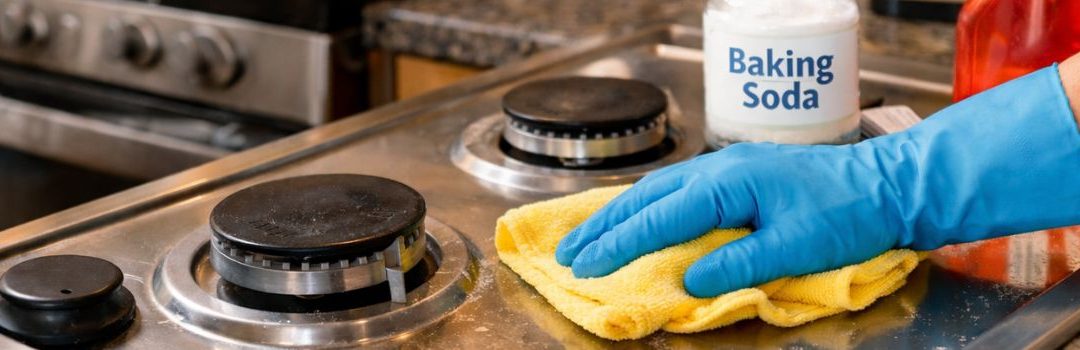
How Langley Homeowners Can Keep Their Stoves Running Smoothly
For homes near Langley, ensuring long-term stove care is essential to maintain efficient performance and safety. Stoves are a critical part of many households, providing warmth and a reliable cooking source. Proper maintenance extends the lifespan of your stove, reduces the risk of malfunctions, and helps avoid costly repairs.
Understanding Your Stove Types and Lifespan
Electric Stoves
Electric stoves generally have a lifespan of about 10 to 13 years. They are known for their even heating and ease of cleaning due to smooth cooktops. Maintenance for electric stoves mainly involves regularly cleaning the surface to prevent buildup and checking the heating elements for any signs of damage or wear. It’s important to avoid using abrasive cleaners that can scratch the surface. If a heating element burns out, it can usually be replaced without needing a full stove replacement.
Gas Stoves
Gas stoves typically last longer, with an average lifespan of 10 to 15 years. They provide quick temperature control and are preferred for many cooking styles. Maintenance for gas stoves includes regularly cleaning the burner grates and caps to prevent clogging, inspecting the ignition system, and ensuring the gas lines are secure and free of leaks. It’s also important to clean spills promptly to avoid buildup that can affect burner performance. Periodic professional inspections can help maintain safety and efficiency.
Routine Maintenance and Inspection
Regular Stove Tune-Ups
Scheduling periodic professional tune-ups for your stove is essential, especially for homes near Langley. Coastal humidity and temperature swings can cause wear and affect stove performance over time. A professional tune-up helps identify and address issues early, ensuring your stove operates safely and efficiently throughout the year. Experts can adjust components, clean internal parts, and verify that everything meets safety standards, mitigating the effects of the local climate on your appliance.
Cleaning Practices
One key aspect of stove maintenance is preventing grease buildup, which can increase the risk of fire. Regular cleaning of stove surfaces and components is crucial. Start by wiping down external surfaces with a mild detergent and a soft cloth. For burner grates and drip pans, soak them in warm soapy water and scrub gently to remove residue. Clean the stove’s interior, including the oven walls and racks, to prevent grease accumulation. Make sure to clean ventilation openings to maintain proper airflow and reduce fire hazards.
Inspection Checklists
Routine inspections help catch problems before they escalate. When inspecting your stove, look for cracks in the stove body or oven lining, worn or damaged parts such as knobs and seals, and any ventilation issues like blockages or unusual odors. Check that all controls function correctly and that pilot lights or igniters ignite properly. Ideally, perform these inspections monthly or at least before each heating season to ensure your stove remains in good working order.
Efficient and Cleaner Burning Techniques
Wood Stove Care
To maintain efficiency and reduce harmful emissions when using a wood stove, it’s crucial to burn dry, seasoned wood. Wood that has been properly dried burns hotter and cleaner, producing less smoke and creosote buildup. Wet or green wood tends to smolder, creating more pollutants and reducing heat output. Following proper burning techniques, such as starting fires with small kindling and gradually adding larger logs, also helps minimize smoke and maximize heat efficiency. These practices contribute to a cleaner burning process and extend the life of your stove.
Gas Stove Optimization
For gas stove users, ensuring efficient and clean burning involves regular checks of the flame color and gas pressure. A healthy gas flame should be mostly blue; a yellow or orange flame can indicate incomplete combustion and potential safety issues. Proper gas pressure settings help maintain optimal flame performance. Additionally, adequate ventilation is essential to allow proper air flow and prevent the buildup of harmful gases. Regular inspection and maintenance of vents and flues ensure that your gas stove operates safely and efficiently.
Safety Protocols and Fire Prevention
Fire Safety Initiatives Specific to Langley
Homes near Langley face specific fire risks related to stove use due to local climate conditions and typical home construction. According to the Township of Langley, common fire risk factors include improper stove installation, lack of regular maintenance, and combustible materials placed too close to the stove. To mitigate these risks, it is essential to follow all manufacturer guidelines and local fire codes during installation and use.
Additionally, installing smoke and carbon monoxide detectors near stoves is a critical safety measure. These detectors provide early warning of dangerous situations, allowing occupants to respond quickly to potential fires or hazardous gas buildup.
Emergency Preparedness
In case of stove-related fires, immediate action can prevent injury and property damage. First, evacuate all occupants safely and call emergency services. If the fire is small and manageable, use a fire extinguisher rated for kitchen fires to put it out. It is vital to maintain accessible fire extinguishers in the kitchen area and ensure they are regularly checked and serviced.
Being prepared also means having a clear fire escape plan and educating all household members about stove safety and emergency steps. Regular drills and reviews of safety protocols can save lives in critical situations.
Environmental and Sustainability Considerations
Extending Stove Lifespan Through Proactive Maintenance
Proactive maintenance is key to extending the lifespan of your stove, which in turn reduces its environmental impact. Regular cleaning, timely repairs, and routine inspections prevent the need for premature replacements, thereby minimizing waste and conserving resources. According to research, maintaining appliances effectively can significantly lower their ecological footprint by reducing emissions associated with manufacturing and disposal.
Adopting behavior changes such as burning only dry, seasoned wood, avoiding overfiring, and ensuring proper ventilation also promote sustainability. These habits improve combustion efficiency and reduce harmful emissions, contributing to cleaner air quality and a smaller carbon footprint.
Energy Efficiency Improvements
Upgrading stove components or accessories is a practical way to enhance energy efficiency. Installing high-quality gaskets, replacing worn-out baffles, or adding a catalytic combustor can improve heat retention and reduce fuel consumption. These improvements help your stove operate more efficiently, saving energy and lowering emissions.
Integrating smart technology for monitoring stove performance offers an advanced method to optimize efficiency. Smart thermostats and sensors can track temperature, fuel usage, and emissions in real-time, enabling homeowners to adjust settings for optimal operation. This data-driven approach not only conserves energy but also extends the stove’s functional life by preventing damage from improper use.
Professional Services and Home Assessments
When to Call a Professional
Maintaining a stove in good working order often requires knowing when to seek expert help. Homeowners near Langley should consider calling a professional if they notice any of the following signs: unusual smells or smoke during operation, inconsistent heating performance, difficulty in lighting or maintaining a flame, visible cracks or damage to the stove body, and accumulation of soot or creosote that cannot be cleaned with regular maintenance. Additionally, if the stove emits strange noises or if there is a sudden increase in fuel consumption without a clear reason, these are indicators that professional inspection and repair may be necessary. Promptly addressing these warning signs can prevent safety hazards and costly damage.
Home Maintenance Assessment Framework
To ensure comprehensive stove care, utilizing a structured home maintenance assessment framework is essential. Framework Homeownership offers a detailed stove home maintenance assessment tool that guides homeowners through systematic checks of their stove’s condition and functionality. This framework helps identify potential issues early by evaluating components such as the stove’s seals, venting system, and structural integrity. It also includes guidance on scheduling routine inspections and cleaning, which are crucial for long-term stove operation and safety.
Summary and Best Practices
Proper long-term stove care is essential for homeowners in Langley to ensure safety, efficiency, and durability. Regular maintenance, timely inspections, and using the right fuel types can prolong the life of your stove and prevent costly repairs.
Key Takeaways for Long-Term Stove Care
- Regular Cleaning: Remove ash and soot buildup frequently to maintain airflow and prevent blockages.
- Annual Inspections: Have a professional check your stove and chimney to identify potential issues early.
- Use Recommended Fuels: Stick to dry, seasoned wood or approved fuel types to minimize creosote buildup and emissions.
- Maintain Gaskets and Seals: Inspect and replace worn gaskets to ensure airtight operation and efficient burning.
- Monitor for Damage: Look for cracks, rust, or warping in the stove body and chimney components.

LET’S CONNECT
OPEN HOURS
Mon-Fri: 8AM-6PM
Saturday: 10AM-6PM
Sunday: 10AM-6PM
QUICK LINKS:
LET’S CONNECT
(778) 600-1787
service@langleyappliancesrepair.ca
OPEN HOURS
Mon-Fri: 8AM-6PM
Saturday: 10AM-6PM
Sunday: 10AM-6PM
QUICK LINKS:
© 2025 Langley Appliances Repair All Rights Reserved | Privacy Policy | Sitemap