
Expert Washing Machine Troubleshooting for North Vancouver Homes
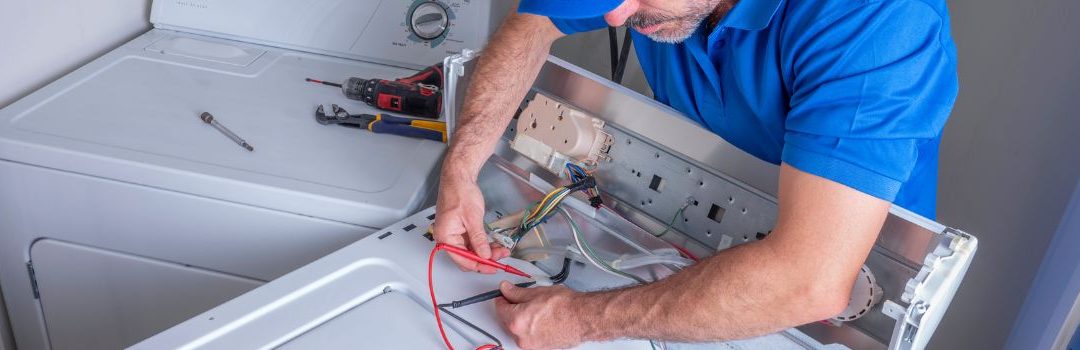
Timely troubleshooting of washing machine problems is crucial to avoid inconvenience and prevent further damage. In North Vancouver, common issues such as water not draining, unusual noises, and failure to start are frequently reported by homeowners. Addressing these problems promptly ensures the appliance operates efficiently and extends its lifespan. While some minor issues can be fixed with basic troubleshooting, trusted repair for all brands professional repair services offer the expertise and tools needed for accurate diagnosis and effective repairs, providing peace of mind and saving time in the long run.
Common Washing Machine Problems and Troubleshooting Techniques
Drainage Problems
Drainage issues often stem from a clogged drain hose, a faulty pump, or blocked filters. If you notice water not draining properly or standing water left in the drum after a cycle, these are clear symptoms of drainage problems. To troubleshoot, first check the drain hose for any visible blockages or kinks. Next, inspect and clean the filters, which can accumulate lint and debris over time. You can also listen for the pump running during the drain cycle. If it’s silent, the pump may be faulty and require replacement. For pump-related issues or persistent blockages, it’s best to call a professional.
Spinning Issues
If your washing machine isn’t spinning or spins unevenly, the cause could be an unbalanced load, a broken belt, or motor problems. Start by redistributing the clothes evenly inside the drum to balance the load. If the problem continues, check the drive belt for signs of wear or breakage. A broken belt will prevent the drum from spinning. Motor issues are more complex and usually require professional diagnosis. Always unplug the machine before inspecting internal components.
Noise and Vibration Issues
Unusual noises or excessive vibration can indicate worn bearings, loose components, or foreign objects caught inside the drum. Different sounds can point to specific problems: a grinding noise often means worn bearings, while rattling might suggest loose screws or trapped items like coins. To minimize noise and vibration, ensure the machine is level on the floor and tighten any loose parts. Removing foreign objects from the drum or filter can also reduce noise.
Leaks and Water Overflow
Leaks commonly come from the door seal, hoses, or detergent drawer. To diagnose leaks, inspect the rubber door seal for tears or mold buildup, which can compromise the seal. Check the hoses for cracks or loose connections. The detergent drawer can overflow if clogged with detergent residue. Regularly cleaning these parts and replacing damaged seals or hoses can prevent leaks and water overflow.
Error Codes and Electronic Malfunctions
Modern washing machines display error codes to indicate specific issues. Understanding these codes varies by brand, but many manuals and manufacturer websites provide lists of common errors. Resetting the machine by unplugging it for a few minutes can sometimes clear error messages. Persistent or unclear errors should be checked by a technician to avoid further damage.
Cleaning Performance Issues
Poor cleaning results often arise from using the wrong detergent, clogged dispensers, or worn agitators. Make sure to use detergent suitable for your machine type and avoid overloading it. Clean the detergent dispenser regularly to prevent buildup. If the agitator is worn or damaged, it may not move clothes effectively, reducing wash quality. Replacing worn parts can improve performance significantly.
Brand-Specific Troubleshooting Insights
Whirlpool
Whirlpool washing machines often face issues like the washer not spinning or draining properly. A common cause is a clogged drain pump filter, which can be cleaned to restore function. If the washer stops mid-cycle, it might be due to an unbalanced load or a faulty lid switch. Checking and redistributing the laundry load can help, and replacing the lid switch may be necessary if it is defective.
Maytag
Maytag washers are known for durability but can experience problems like water not filling or the washer not starting. For water filling issues, verify the water supply and check for kinked hoses. If the washer won’t start, the problem could be with the door latch or control board. Ensuring the door is closed properly and inspecting the control board for visible damage can help troubleshoot these problems.
LG
LG washers often incorporate advanced electronics, which can lead to specific electronic and mechanical errors. Error codes displayed on the control panel provide clues to the issue, such as ‘UE’ indicating an unbalanced load or ‘OE’ signaling a drainage problem. Handling these errors involves redistributing the load or checking the drain hose and pump for blockages. Mechanical issues like a noisy motor may require professional service.
Samsung
Samsung smart washers sometimes experience malfunctions with their Wi-Fi connectivity or app integration. If the washer is unresponsive or shows error codes related to smart features, restarting the washer and router can resolve connectivity issues. For other malfunctions, refer to the error code guide in the user manual to identify specific problems and recommended fixes.
Other Brands
For less common washing machine brands, general troubleshooting advice includes checking power supply, water connections, and ensuring the load is balanced. Reviewing the user manual for error codes and recommended maintenance can provide guidance. When in doubt, contacting customer support or a professional technician familiar with the specific brand is advisable to avoid damage.
Professional Washing Machine Repair Services in North Vancouver
Overview of Local Repair Providers
If your washing machine breaks down in North Vancouver, several professional repair services are available to help. Starline Appliance Repair specializes in issues like drainage problems, spinning malfunctions, unusual noises, leaks, and error codes. They service multiple washing machine brands, ensuring expert care tailored to your appliance.
Barton Appliance Repair offers same-day or next-day service, making them a reliable choice when you need urgent repairs. They prioritize transparent pricing and use genuine parts to maintain your washing machine’s performance and longevity.
North Vancouver Appliance Repair is known for its rapid response and comprehensive washing machine repair services. Their transparent pricing policy helps customers understand costs upfront without hidden fees.
EasyFix Appliance Repair stands out by using OEM parts and providing warranties on both labor and parts. They cover a wide range of common washing machine problems, ensuring reliable and lasting repairs.
Choosing the Right Repair Service
When selecting a professional repair service for your washing machine, consider several key factors:
- Response Time: How quickly can the service provider address your repair needs? Fast response is crucial to minimize disruptions.
- Pricing Transparency: Look for clear, upfront pricing without hidden charges.
- Use of Genuine Parts: Repairs with original or OEM parts typically last longer and maintain appliance warranty.
- Warranty on Repairs: A warranty on labor and parts offers peace of mind against future issues.
Before booking a repair, ask the service provider about their experience with your washing machine brand, expected repair time, parts sourcing, and warranty details. This information helps ensure you choose a trustworthy and efficient repair service.
Preventative Maintenance Tips for Washing Machines
Proper maintenance can extend the life of your washing machine and prevent common issues. Here are some essential tips to keep your machine running smoothly:
- Regular cleaning of filters and dispensers: Lint, detergent residue, and other debris can build up in filters and dispensers. Clean them regularly to ensure water flows freely and detergent dispenses properly.
- Checking hoses and seals periodically: Inspect hoses for cracks, leaks, or bulges, and check seals for wear or damage. Replacing faulty parts early can prevent leaks and water damage.
- Avoiding overloading the machine: Overloading strains the motor and can cause poor wash results or mechanical failure. Follow the manufacturer’s load capacity recommendations.
- Using the correct detergent and cycles: Use detergents designed for your machine type (HE or regular) and select wash cycles appropriate for the fabric and soil level. This prevents buildup and reduces wear on the machine.
Regular attention to these areas helps maintain efficiency and reliability in your washing machine.
Troubleshooting Resources and Guides
When facing issues with your washing machine, reliable resources can make the repair process much easier. The Inglis Home Appliances Troubleshooting Guide is an excellent starting point. It offers detailed, step-by-step solutions for common problems such as the washer not filling, stopping mid-cycle, or dealing with gray whites.
In addition to manufacturer guides, utilizing online manuals and support forums can be invaluable. Many appliance brands provide digital versions of their user manuals, which include troubleshooting sections and maintenance tips. Support forums and communities allow you to connect with other users who might have experienced similar issues, offering practical advice and solutions based on real-world experience.
By combining official troubleshooting guides with online manuals and community support, you increase your chances of quickly diagnosing and fixing your washing machine problems effectively.
When to Replace Your Washing Machine
Knowing when to replace your washing machine can save you both time and money. Here are some key points to consider:
Signs That Repair Is No Longer Cost-Effective
If your washing machine requires frequent repairs, or the cost of fixing a major issue approaches or exceeds the price of a new machine, it may be time to replace it. Common signs include persistent leaks, unusual noises, failure to spin or drain, and electronic malfunctions. When repair bills add up quickly, investing in a new washer is often more economical in the long run.
Evaluating Age and Condition
Most washing machines have a lifespan of about 10 to 15 years. If your machine is nearing or beyond this range and shows signs of wear such as rust, broken parts, or diminished performance, replacement should be considered. Older models are also less energy-efficient, which can increase your utility bills.
Eco-Friendly Disposal and Replacement Options
When replacing your washing machine, it is important to dispose of the old unit responsibly. Many local waste management services in North Vancouver offer recycling programs that ensure machines are dismantled and recycled properly to minimize environmental impact. Additionally, consider purchasing an energy-efficient model with a high Energy Star rating to reduce water and electricity consumption, benefiting both the environment and your wallet.
Conclusion
When troubleshooting your washing machine, start with basic checks such as ensuring the machine is plugged in, verifying water supply, and inspecting hoses and filters for blockages. Address common problems like drainage issues, unusual noises, or spinning failures by following simple DIY steps. However, if problems persist or seem complex, combining these efforts with professional services ensures thorough and safe repairs.
Proactive maintenance plays a crucial role in extending the life of your washing machine. Regularly cleaning filters, avoiding overloading, and scheduling periodic inspections can prevent many common issues before they arise. By balancing do-it-yourself fixes with expert support when needed, you can keep your washing machine running efficiently and avoid costly replacements.

LET’S CONNECT
OPEN HOURS
Mon-Fri: 8AM-6PM
Saturday: 10AM-6PM
Sunday: 10AM-6PM
QUICK LINKS:
LET’S CONNECT
(778) 600-1787
service@langleyappliancesrepair.ca
OPEN HOURS
Mon-Fri: 8AM-6PM
Saturday: 10AM-6PM
Sunday: 10AM-6PM
QUICK LINKS:
© 2025 Langley Appliances Repair All Rights Reserved | Privacy Policy | Sitemap