

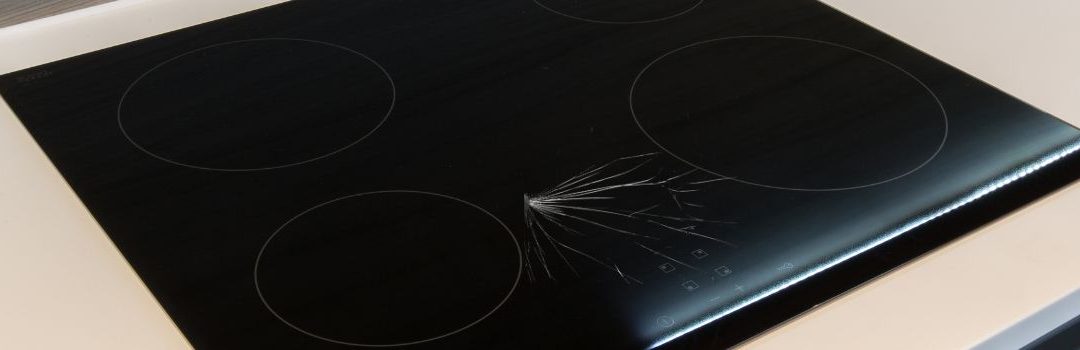
Ceramic stove tops are a popular choice in many kitchens due to their sleek appearance and smooth surface, which makes cooking and cleaning easier. However, despite their durability, these stove tops are prone to cracking from impacts, thermal stress, or heavy cookware. Cracks not only affect the look of the stove but can also compromise its safety and functionality. Trusted maintenance tips for stove can help prevent minor issues from becoming major problems.
Addressing cracks promptly is essential. Even small cracks can worsen over time, leading to potential hazards such as electrical issues, gas leaks in certain stove models, or further breakage that could cause injury. Timely repair or replacement ensures that the stove remains safe to use and operates efficiently.
Replacing a cracked ceramic stove top involves some cost and complexity. The price can vary depending on the stove model and whether you choose to do it yourself or hire a professional. While replacement may seem daunting, understanding the process can help you make an informed decision on how to best restore your stove top’s safety and appearance.
Understanding Ceramic Stove Tops
What Are Ceramic Stove Tops?
Ceramic stove tops are cooking surfaces made from a smooth, durable ceramic material that covers the heating elements beneath. The composition typically involves a toughened glass-ceramic, designed to withstand high temperatures and provide an even cooking surface. Unlike traditional coil or gas stove tops, ceramic stove tops offer a sleek, flat design that is easier to clean.
The key difference between ceramic and glass stove tops lies in their material properties. Ceramic stove tops are made from a glass-ceramic composite that can endure rapid temperature changes without cracking. In contrast, pure glass stove tops, though similar in appearance, are more prone to damage due to thermal stress and impact.
Common Causes of Cracks
Cracks in ceramic stove tops often result from thermal shock, which occurs when the stove top experiences sudden temperature changes. For example, pouring cold water on a hot surface can cause the material to expand or contract rapidly, leading to cracks.
Impact damage is another major cause. Dropping heavy pots, pans, or other objects on the stove top can create immediate fractures or weaken the surface over time.
Additionally, normal wear and tear can contribute to the gradual deterioration of the ceramic surface, especially after years of heavy use.
Assessing the Damage
When evaluating cracks on a ceramic stove top, it’s important to distinguish between minor and major cracks. Minor cracks are usually superficial, often hairline fractures that do not affect the stove’s performance or safety significantly.
Major cracks, however, penetrate deeper and can compromise the structural integrity of the stove top. These cracks often worsen with use and pose safety risks, such as electrical hazards or the potential for glass shards.
Repairing cracks depends on their size and severity. Minor cracks might be addressed with specialized ceramic repair kits or sealants, but major cracks typically require replacing the entire stove top to maintain safety and functionality.
Using a stove top with visible cracks can be dangerous. Cracks can lead to electric shocks, gas leaks (in gas stoves), or further breakage while cooking. It’s crucial to assess damage carefully and take appropriate action promptly.
Repair vs Replacement: Making the Right Choice
Can a Cracked Ceramic Stove Top Be Repaired?
Minor cracks on a ceramic stove top can sometimes be cleaned or temporarily managed to prevent further damage. This may involve carefully cleaning the crack and avoiding heavy use in that area to reduce the risk of it spreading. However, these measures are only temporary and do not restore the stove top’s integrity or safety.
When cracks are large or deep, repair is not a viable option. Significant damage compromises the stove top’s structural integrity and can lead to safety hazards such as electric shocks or further breakage. In these cases, a full replacement is necessary to ensure safe and efficient operation.
Cost Comparison: Repairing vs Replacing
Repairing a cracked ceramic stove top typically costs between $108 and $250, with an average cost of around $179. These costs cover minor fixes and temporary solutions but may not extend the life of the appliance significantly.
Replacement costs vary widely based on the stove model and installation requirements, generally ranging from $150 to $1,200. Higher-end models and professional installation can increase the price substantially.
While repair may seem more affordable initially, replacement is often the more cost-effective and safer long-term solution when dealing with large cracks or significant damage.
Cost Breakdown for Replacement in Langley
Factors Influencing Cost
The cost of replacing a cracked ceramic stove top in Langley depends on several key factors:
- Brand and model of stove top: Higher-end brands or specific models may have more expensive replacement parts.
- Type of ceramic or glass material: Different materials vary in cost; some are more durable or heat-resistant, affecting price.
- Whether installation is DIY or professional: Doing it yourself can save labor costs but may require more time and expertise.
- Labor rates in Langley region: Professional installation prices can vary depending on local service providers and the complexity of the job.
Estimated Price Ranges
Typically, the total cost for replacing a ceramic stove top in Langley ranges from $150 to $1,200. This wide range accounts for differences in materials and labor:
- Material costs: Usually fall between $200 and $1,000 depending on the quality and brand.
- Labor costs: Vary significantly; they depend on the complexity of the installation and the rates charged by local technicians.
Budgeting Tips
- Compare quotes from multiple professionals: Getting several estimates helps ensure you get a competitive price.
- Consider long-term benefits of professional installation: Although DIY can save money upfront, professional installation may prevent issues and extend the stove top’s lifespan, offering better value over time.
DIY Replacement Guide
Tools and Materials Needed
- Replacement ceramic stove top compatible with your model
- Screwdrivers, wire cutters, voltage testers
- Safety equipment: gloves, eye protection
Step-by-Step Replacement Process
- Safety First: Before starting, make sure the stove is unplugged and the power supply is disconnected to prevent any electrical accidents.
- Remove Old Ceramic Top: Use screwdrivers to carefully unscrew the cracked ceramic stove top. Lift it gently to avoid breaking the glass further and causing injury.
- Inspect Components: Once the top is removed, check the heating elements and wiring for any visible damage. Address any issues before proceeding.
- Install New Ceramic Top: Align the replacement ceramic stove top with your stove model. Secure it by tightening screws properly to ensure it stays in place.
- Reconnect Power & Test: After installation, reconnect the power supply and plug the stove back in. Test each burner to confirm everything functions safely and correctly.
Safety Precautions
- Always confirm the power is completely off before beginning any work.
- Handle the glass or ceramic parts with care and wear gloves and eye protection to avoid cuts or other injuries.
Maintaining Your Ceramic Stove Top
Preventative Care
To keep your ceramic stove top in good condition and prevent cracks, avoid sudden temperature changes. For example, do not place hot cookware on a cold surface or vice versa, as this can cause the glass to expand or contract rapidly and lead to damage. Always use cookware with smooth bottoms to reduce the risk of scratching the surface. Additionally, clean spills promptly using non-abrasive cleaners. This prevents stains from setting and helps maintain the stove top’s appearance.
Regular Inspection
Regularly inspect your ceramic stove top for small cracks or discoloration. Early detection of these issues allows you to address them before they worsen, potentially saving you from costly replacements. If you notice any damage, consider consulting a professional or following DIY repair methods suitable for minor cracks.
Environmental and Disposal Considerations
When replacing cracked ceramic stove tops, it is important to consider proper disposal methods to minimize environmental impact. Ceramic stove tops contain materials that should not be simply thrown in regular trash, as they can contribute to landfill waste and may contain elements that require special handling.
In Langley, residents have several options for disposing of cracked ceramic stove tops responsibly. Many local waste management facilities accept ceramic and glass materials for proper processing. It is recommended to contact the Langley Recycling Program or visit their website to find specific drop-off locations and guidelines.
Recycling options for ceramic stove tops may be limited due to the material’s composition, but some specialized recyclers can repurpose the ceramic glass or components. Before disposal, remove any metal or plastic parts that can be recycled separately to reduce waste further.
By following local disposal regulations and exploring recycling opportunities in Langley, you can ensure that your cracked ceramic stove top replacement is environmentally responsible.
Conclusion
Replacing a cracked ceramic stove top promptly is essential to maintain safety and ensure your kitchen stays functional. Delaying replacement can lead to further damage or even pose a risk of injury.
While many aspects of the replacement process can be tackled through DIY efforts, it is important to recognize when professional assistance is necessary. Balancing your own work with expert help helps guarantee the job is done safely and correctly.
By carefully following the detailed steps outlined in this guide and consulting professionals when in doubt, you can successfully replace your cracked ceramic stove top and keep your kitchen running smoothly.

LET’S CONNECT
OPEN HOURS
Mon-Fri: 8AM-6PM
Saturday: 10AM-6PM
Sunday: 10AM-6PM
QUICK LINKS:
LET’S CONNECT
(778) 600-1787
service@langleyappliancesrepair.ca
OPEN HOURS
Mon-Fri: 8AM-6PM
Saturday: 10AM-6PM
Sunday: 10AM-6PM
QUICK LINKS:
© 2025 Langley Appliances Repair All Rights Reserved | Privacy Policy | Sitemap