

Langley Smart Fridge Moisture Sensor Troubleshooting Tips
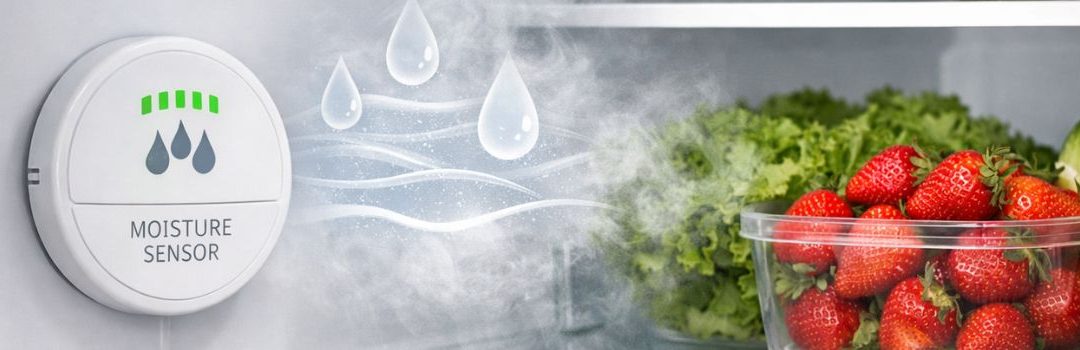
Smart refrigerators have revolutionized the way we store and manage food, offering features like temperature control, inventory tracking, and energy efficiency. One crucial component of these appliances is the moisture sensor, which helps regulate humidity levels inside the refrigerator to keep food fresh for longer. Moisture sensors detect excess moisture and adjust the cooling system accordingly to prevent mold, frost buildup, and spoilage.
However, moisture sensor failures are a common issue faced by many smart refrigerator owners. When these sensors malfunction, it can lead to improper humidity control, resulting in damp or overly dry conditions inside the fridge. This often causes food to spoil faster, unpleasant odors to develop, and even damage to the refrigerator’s internal components.
Addressing moisture sensor problems promptly is essential to maintain the performance and longevity of your smart refrigerator. Ignoring smart fridge issues can escalate repair costs and reduce the appliance’s efficiency. Therefore, recognizing the signs of moisture sensor failure and seeking timely solutions is critical for preserving food quality and ensuring your smart fridge operates smoothly.
Understanding Moisture Sensors in Smart Refrigerators
Function and Importance
Moisture sensors play a crucial role in smart refrigerators by continuously monitoring the humidity levels inside the fridge. Their primary function is to maintain an optimal environment that prevents excess moisture buildup, which can lead to mold growth, unpleasant odors, and premature food spoilage. By accurately detecting moisture levels, these sensors help regulate the fridge’s internal climate, ensuring that fruits, vegetables, and other perishables stay fresh longer.
In addition to preserving food quality, moisture sensors contribute significantly to energy efficiency. When humidity is controlled effectively, the refrigerator does not have to work as hard to maintain the desired temperature and moisture balance. This reduces energy consumption and extends the lifespan of the appliance.
Common Causes of Moisture Sensor Failures
Several factors can cause moisture sensors in smart refrigerators to malfunction:
- Sensor blockage due to dirt or debris: Over time, dust, food particles, or other contaminants can accumulate on the sensor surface, obstructing its ability to accurately detect moisture.
- Wiring and connectivity issues: Faulty or damaged wiring can interrupt the communication between the moisture sensor and the refrigerator’s control system, leading to incorrect readings or sensor failure.
- Sensor calibration problems: If the sensor is not properly calibrated, it may provide inaccurate moisture level data, affecting the fridge’s climate control.
- Effects of moisture-induced leakage currents: Moisture can cause leakage currents within the sensor elements, impairing their function and causing errors. These leakage currents can degrade sensor performance but can be mitigated by proper maintenance and cleaning techniques.
Diagnosing Moisture Sensor Issues
Signs of Sensor Failure
One of the first indicators of a failing moisture sensor in a smart refrigerator is inaccurate or unstable humidity readings. If the sensor reports fluctuating or implausible moisture levels, it may not be functioning correctly. When the moisture sensor fails, the refrigerator’s ability to maintain optimal humidity is compromised, often leading to increased food spoilage and reduced appliance efficiency.
Diagnostic Steps
To diagnose moisture sensor issues, start with a visual inspection. Look for any blockage, dirt, or physical damage that could interfere with the sensor’s operation. Next, check the wiring connections to ensure they are secure and intact, as loose or damaged wires can cause sensor failure. Finally, verify the sensor’s calibration. Improper calibration can cause incorrect readings, so recalibrating the sensor according to the manufacturer’s instructions may resolve the problem.
Practical Solutions for Moisture Sensor Failures
Immediate Troubleshooting
When your smart refrigerator’s moisture sensor fails, start with simple troubleshooting steps. Removing and reinstalling the sensor batteries can reset the device and resolve alert issues. This method has helped many users regain sensor functionality quickly.
Another effective step is cleaning the sensor elements. Over time, blockages like dust, grime, or moisture buildup can interfere with sensor accuracy. Gently cleaning these elements can restore proper operation.
Preventive Measures
To avoid future moisture sensor failures, applying protective coatings such as nano-coating to the sensor elements is recommended. This protective layer helps shield sensitive components from moisture damage and extends their lifespan. Proper packaging during installation also plays a crucial role in protecting sensors from environmental factors.
Implementing a regular maintenance schedule is essential. Routine inspections and cleanings ensure sensors remain unobstructed and functional, reducing the risk of sudden failure.
Innovative Hacks
An innovative hack to stabilize sensor readings affected by fluctuating humidity inside the fridge is to place baking soda containers inside. Baking soda absorbs excess moisture and odors, which can help maintain more consistent humidity levels and improve sensor accuracy.
When to Replace the Sensor
Sometimes, troubleshooting and preventive measures are not enough. Indicators that sensor replacement is necessary include persistent inaccurate readings, failure to reset, or physical damage to sensor components.
When replacing, sourcing compatible sensors designed specifically for your refrigerator model is important. Check with the manufacturer or trusted appliance parts suppliers to ensure proper fit and function.
Cost Analysis of Repairing Moisture Sensor Failures in Langley
Factors Influencing Repair Costs
The cost to repair moisture sensor failures in smart refrigerators depends on several key factors. First, the type and extent of the sensor failure play a major role. Minor sensor malfunctions may require simple recalibration or replacement, while severe failures might involve complex diagnostics and multiple parts.
Labor charges and the cost of replacement parts also impact the total repair cost. Labor rates can vary among repair providers in Langley, and original manufacturer parts tend to be more expensive than generic alternatives.
Additionally, if moisture damage has spread beyond the sensor to other components, additional repairs may be necessary. This can significantly increase the overall repair cost due to extra parts and labor involved.
Typical Repair Cost Range
For standard moisture sensor repairs in Langley, homeowners can expect to pay between $200 to $350 CAD. This range typically covers basic sensor replacement or recalibration without extensive damage.
However, if the moisture damage is more severe or has affected other parts of the refrigerator, repair costs can exceed $400 CAD. These extensive repairs often require more time and specialized service to restore the refrigerator’s full functionality.
Choosing Repair Services in Langley, British Columbia
When selecting a repair service in Langley, it’s important to choose providers with strong local reputations and experience in smart refrigerator repairs. Recommended local repair companies often offer warranty and service guarantees, providing peace of mind for customers.
Evaluating the warranty coverage on your refrigerator and the guarantees provided by the repair service can help ensure that your investment is protected against future failures.
Best Practices for Longevity of Moisture Sensors
To ensure the moisture sensors in your smart refrigerator function properly over time, it is important to follow certain best practices focused on maintenance and environmental control.
Avoiding Moisture Build-Up Inside the Fridge
Excess moisture inside the refrigerator can lead to sensor failure or inaccurate readings. To minimize moisture build-up, avoid frequently leaving the fridge door open for extended periods and ensure that food items are covered or sealed properly. Also, regularly check and clean the door seals to maintain a tight closure, preventing warm air from entering and causing condensation.
Regular Sensor Cleaning and Checks
Moisture sensors should be cleaned periodically to remove any dirt, residue, or frost that can interfere with their function. Use a soft cloth dampened with a mild detergent solution to gently wipe the sensor area. Avoid harsh chemicals or abrasive materials. Additionally, schedule regular checks to verify that the sensor is responsive and providing accurate readings. Promptly address any irregularities by consulting the refrigerator’s manual or contacting a professional technician.
Environmental Considerations: Humidity Control Inside the Kitchen
High humidity levels in the kitchen can contribute to increased moisture inside the refrigerator, stressing the sensors. Use exhaust fans or dehumidifiers to reduce ambient humidity, especially during cooking or in humid climates like Langley. Maintaining a stable and moderate humidity level in the kitchen helps the refrigerator maintain optimal internal conditions, supporting the longevity of moisture sensors.
By adopting these practices, you can significantly extend the lifespan of your smart refrigerator’s moisture sensors and ensure reliable performance.
Conclusion
Diagnosing and resolving moisture sensor failures in smart refrigerators involves understanding the common symptoms, performing basic troubleshooting, and knowing when to seek professional help. Key points include checking for sensor blockages, ensuring proper sensor calibration, and inspecting wiring for damage. Timely maintenance and professional repair are crucial to preventing costly damage such as mold growth, food spoilage, and increased energy consumption.
By addressing moisture sensor issues promptly, you can extend the lifespan of your smart refrigerator and maintain its efficiency. Additionally, utilizing preventive hacks like regular cleaning, monitoring humidity settings, and avoiding overloading the fridge can help minimize the risk of sensor failure. These cost-effective solutions not only save money but also keep your appliance running smoothly in the long term.

LET’S CONNECT
OPEN HOURS
Mon-Fri: 8AM-6PM
Saturday: 10AM-6PM
Sunday: 10AM-6PM
QUICK LINKS:
LET’S CONNECT
(778) 600-1787
service@langleyappliancesrepair.ca
OPEN HOURS
Mon-Fri: 8AM-6PM
Saturday: 10AM-6PM
Sunday: 10AM-6PM
QUICK LINKS:
© 2025 Langley Appliances Repair All Rights Reserved | Privacy Policy | Sitemap