

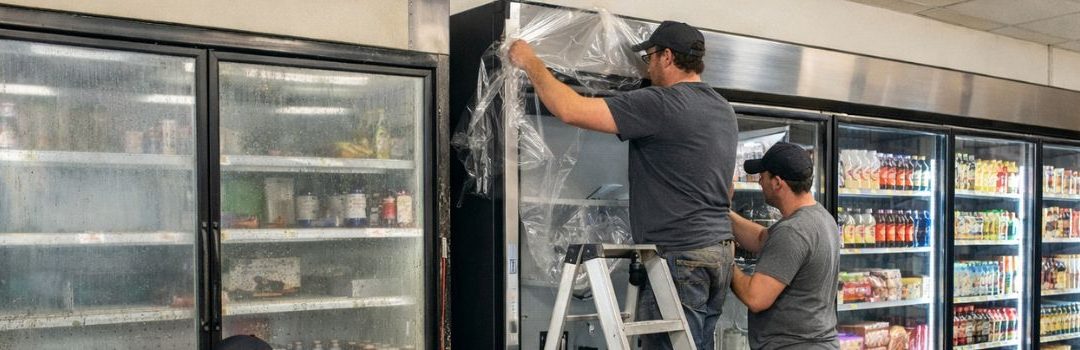
Commercial refrigeration plays a crucial role in the smooth operation of many businesses, particularly in the foodservice, retail, and hospitality industries. These units ensure that perishable goods are stored at safe temperatures, preserving product quality and complying with health regulations, while also allowing businesses to upgrade to the latest features that improve efficiency and performance.
However, old commercial refrigerators often bring significant challenges. They tend to consume more energy than newer models, leading to higher utility bills. Additionally, aging equipment usually requires frequent maintenance and repairs, which can disrupt business operations and increase costs. Inefficiencies in cooling performance may also compromise product freshness and safety.
Upgrading old commercial refrigerators addresses these issues by enhancing energy efficiency and reducing operational costs. Modern refrigeration units are designed with advanced technology that supports sustainability efforts while improving overall performance. Businesses can benefit from better temperature control, lower environmental impact, and increased reliability, ultimately contributing to improved product quality and customer satisfaction.
Understanding Commercial Refrigeration Systems
Types of Commercial Refrigerators
Commercial refrigeration systems come in various types, each designed to meet specific needs in a business setting. The most common types include:
- Reach-in refrigerators: These are upright units with doors that allow quick access to stored items. They are ideal for kitchens and food preparation areas where space is limited and frequent access is necessary.
- Walk-in coolers: Larger in size, walk-in coolers provide ample space for bulk storage of perishable goods. They are typically used in restaurants, grocery stores, and other commercial facilities that require substantial refrigeration capacity.
- Display refrigerators: These units feature glass doors and are designed to showcase products while keeping them cool. Commonly found in convenience stores and supermarkets, display refrigerators help attract customers by presenting items in an appealing way.
Components of Refrigeration Systems
Understanding the key components of commercial refrigeration systems is essential when considering upgrades. These components include:
- Compressors: The compressor is the heart of the refrigeration system. It circulates the refrigerant through the system by compressing the gas, which then cools as it expands.
- Insulation: Proper insulation minimizes heat transfer, helping maintain consistent internal temperatures and improving energy efficiency.
- Refrigerants: These are the substances that absorb and release heat within the system. Modern upgrades often involve switching to more environmentally friendly refrigerants with better performance.
- Temperature Controllers: These devices monitor and regulate the temperature inside the refrigeration unit to ensure optimal storage conditions and prevent spoilage.
A clear understanding of these types and components lays the foundation for making informed decisions about upgrading old commercial refrigerators in Langley.
Why Upgrade Your Old Commercial Refrigerators in Langley?
Energy Efficiency Benefits
Upgrading to ENERGY STAR certified commercial refrigerators can significantly reduce energy consumption. These models use approximately 20% less energy compared to standard units, leading to noticeable savings on electricity bills. In fact, refrigeration energy usage can be cut by 30 – 40% when switching to ENERGY STAR units. This improvement is largely due to modern compressors and enhanced insulation technologies that reduce energy waste and improve overall efficiency.
Environmental Sustainability
New commercial refrigeration systems contribute to environmental sustainability by significantly lowering greenhouse gas emissions. Compared to older equipment, these upgraded systems reduce emissions by 20 – 40%. Additionally, they utilize eco-friendly refrigerants that minimize ozone depletion and have a much lower global warming potential. This makes upgrading not only a cost-saving decision but also an environmentally responsible one.
Operational Advantages
Modern commercial refrigerators offer enhanced temperature control, which ensures consistent product quality and safety. This precise control helps maintain optimal storage conditions, reducing spoilage and waste. Furthermore, newer models require less maintenance and experience less downtime, improving overall business efficiency. Combined with the energy savings from efficient components, these operational advantages translate into lower ongoing costs and smoother day-to-day operations.
Key Features to Look for in Upgraded Commercial Refrigerators
Energy Star Certification
When upgrading commercial refrigerators, Energy Star certification is an important factor to consider. This certification is awarded to appliances that meet strict energy efficiency guidelines set by the U.S. Environmental Protection Agency. Refrigerators with Energy Star certification consume less energy, which can lead to significant cost savings on utility bills over time. Additionally, these units typically have a reduced environmental footprint due to their efficient operation.
Advanced Refrigeration Technologies
Modern commercial refrigerators incorporate several advanced technologies that enhance energy efficiency and performance. Energy-efficient compressors are designed to use less power while maintaining optimal cooling. Improved insulation materials help maintain consistent internal temperatures, reducing the workload on compressors. Smart temperature controllers and monitoring systems allow precise temperature management, ensuring food safety while minimizing energy use. These features collectively contribute to lower operating costs and improved reliability.
Eco-Friendly Refrigerants
The type of refrigerant used in commercial refrigerators has a direct impact on the environment. Traditional refrigerants like Hydrofluorocarbons (HFCs) have been widely used but are known to have high global warming potential. Newer models often utilize natural refrigerants such as propane or carbon dioxide, which have a much lower environmental impact. Choosing refrigerators with eco-friendly refrigerants supports sustainability efforts and helps comply with evolving environmental regulations.
Design and Capacity Considerations
Selecting the right size and design of a commercial refrigerator is crucial for efficient operation. The unit should match the specific storage needs of the business, avoiding both underutilization and overcrowding. Proper size helps optimize energy use and preserves food quality. Additionally, considering how the refrigerator fits within the workspace can improve workflow. Space optimization ensures easy access and smooth movement, which is essential for busy commercial kitchens.
Economic Considerations and Cost-Benefit Analysis
Initial Investment vs. Long-Term Savings
Upgrading old commercial refrigerators requires an upfront investment in new units, which can be significant depending on the size and features of the equipment. However, this initial cost is often offset by long-term energy savings. New, energy-efficient refrigeration units can reduce energy consumption substantially, leading to potential annual savings of over $150 per unit. These savings accumulate over time, making the investment more economical in the long run.
Incentives and Rebates
Businesses in Langley can benefit from various local and provincial programs that incentivize energy-efficient upgrades. These programs often provide rebates or financial incentives that reduce the upfront cost of purchasing new refrigeration equipment. Taking advantage of these incentives can improve the return on investment and encourage more businesses to upgrade to energy-efficient commercial refrigerators.
Lifecycle Cost Comparison
When comparing old and new refrigeration units, it is important to consider not just the purchase price but the total lifecycle cost. Maintenance costs for older units tend to be higher due to increased repairs and parts replacement. New units generally have lower maintenance requirements and come with warranties that cover repairs for a certain period. Additionally, new refrigerators typically have a longer expected lifespan, which means fewer replacements and less downtime over time. This lifecycle cost advantage further supports the economic benefits of upgrading old commercial refrigerators.
Environmental Impact and Corporate Responsibility
Reducing Carbon Footprint
Upgrading old commercial refrigerators can significantly reduce a business’s carbon footprint. New refrigeration units are designed to be more energy-efficient, using advanced technology that consumes less electricity and operates more effectively. This leads to lower greenhouse gas emissions tied to energy production. According to All Southern, businesses that invest in energy-efficient commercial refrigeration can see quantifiable reductions in emissions. By replacing outdated equipment, companies not only reduce their environmental impact but also benefit from lower utility costs.
Aligning with Sustainability Goals
Modernizing refrigeration systems also helps businesses align with broader sustainability goals. Many companies today prioritize environmental responsibility as part of their corporate values and brand identity. Upgrading to eco-friendly refrigeration supports this by demonstrating a commitment to reducing environmental harm. Additionally, newer refrigeration units often comply with updated environmental regulations, helping businesses avoid penalties and maintain good standing with regulatory bodies. This alignment enhances brand image, showing customers and stakeholders that the company is proactive about sustainability and corporate responsibility.
Practical Steps for Upgrading Refrigeration in Langley
Assessing Current Equipment
Start by conducting thorough energy audits and performance evaluations of your existing commercial refrigerators. This helps identify inefficiencies, high energy consumption, and potential repair issues. Understanding the current state of your equipment is crucial to making informed decisions about upgrades.
Selecting the Right Replacement Units
Work closely with certified suppliers in Langley who specialize in commercial refrigeration. They can provide expert advice tailored to your business needs. When choosing replacement units, carefully evaluate features such as energy efficiency ratings, storage capacity, and technology advancements. Additionally, review warranty options to ensure long-term protection and support.
Installation and Commissioning
Professional installation is essential to guarantee optimal performance and compliance with safety standards. Hiring experienced technicians ensures that all units are installed correctly and efficiently. After installation, perform calibration and initial testing to verify that the refrigerators maintain proper temperatures and operate as expected.
Staff Training and Maintenance
Train your staff on the proper use of new refrigeration equipment to maximize energy efficiency and prolong lifespan. Emphasize correct door usage, temperature monitoring, and routine cleaning. Establish a regular preventive maintenance schedule to address minor issues before they escalate, keeping your refrigeration systems running smoothly.
Case Studies and Success Stories
Several businesses in Langley have successfully upgraded their old commercial refrigerators, experiencing significant benefits in energy savings, cost reduction, and product quality.
Local Grocery Store Upgrade
A well-known grocery store in Langley replaced its 15-year-old refrigeration units with modern, energy-efficient models. Following the upgrade, the store reported a 30% reduction in energy consumption, translating to annual savings of approximately $5,000 on electricity bills. Additionally, the improved temperature consistency helped extend the shelf life of perishable goods, reducing spoilage by 20%.
Langley Restaurant’s Experience
A popular Langley-based restaurant upgraded its commercial refrigeration system to a newer, eco-friendly unit. This change led to a 25% decrease in operating costs related to refrigeration. The kitchen staff also noted better cooling performance, which enhanced the quality and safety of stored ingredients, contributing to improved customer satisfaction.
Convenience Store Refrigeration Overhaul
A local convenience store invested in upgrading their refrigeration equipment to comply with current energy standards. Post-upgrade, the store saw a 35% drop in energy usage, cutting monthly electricity expenses by nearly $400. The store also benefited from quieter operation and more reliable temperature control, ensuring products remained fresh longer.
These examples demonstrate that upgrading old commercial refrigerators in Langley not only supports energy efficiency goals but also leads to measurable cost savings and better product quality.
Future Trends in Commercial Refrigeration
Smart and Connected Refrigeration Systems
The future of commercial refrigeration is increasingly tied to smart technology and connectivity. IoT integration allows refrigeration units to be monitored in real-time, providing valuable data on temperature, energy consumption, and system performance. This connectivity enables predictive maintenance by identifying potential issues before they lead to costly breakdowns, reducing downtime and repair costs. Businesses can remotely manage their refrigeration systems, ensuring optimal operation and energy efficiency.
Advances in Refrigerant Technologies
There is a growing shift towards environmentally friendly refrigerants with low global warming potential (GWP). New refrigerant technologies aim to reduce the environmental impact of commercial refrigeration while maintaining high efficiency. These emerging refrigerants help businesses comply with increasingly strict environmental regulations and contribute to sustainability goals without compromising cooling performance.
Energy Storage and Renewable Integration
Integrating renewable energy sources like solar power with commercial refrigeration systems is becoming more common. Energy storage solutions allow refrigeration units to operate using stored renewable energy, reducing reliance on the grid and lowering electricity costs. This approach not only supports green energy initiatives but also enhances energy resilience for businesses by providing backup power during outages or peak demand periods.
Conclusion
Upgrading old commercial refrigerators in Langley offers numerous benefits, including significant energy savings, reduced environmental impact, and improved reliability. Modern refrigeration units are designed to be more energy-efficient, helping businesses lower their utility bills while contributing to a greener future. Investing in these eco-friendly solutions not only supports sustainable business practices but also ensures compliance with evolving regulations and standards.
Choosing to upgrade to energy-efficient refrigeration systems is a smart financial decision that balances upfront costs with long-term economic savings. Businesses can expect lower maintenance expenses and enhanced performance, which together improve overall operational efficiency.
Ultimately, embracing modern refrigeration technology in Langley represents a practical step toward sustainability without compromising business goals. Prioritizing energy efficiency and environmental responsibility can drive both economic and ecological benefits, making it a worthwhile investment for any commercial enterprise.

LET’S CONNECT
OPEN HOURS
Mon-Fri: 8AM-6PM
Saturday: 10AM-6PM
Sunday: 10AM-6PM
QUICK LINKS:
LET’S CONNECT
(778) 600-1787
service@langleyappliancesrepair.ca
OPEN HOURS
Mon-Fri: 8AM-6PM
Saturday: 10AM-6PM
Sunday: 10AM-6PM
QUICK LINKS:
© 2025 Langley Appliances Repair All Rights Reserved | Privacy Policy | Sitemap