

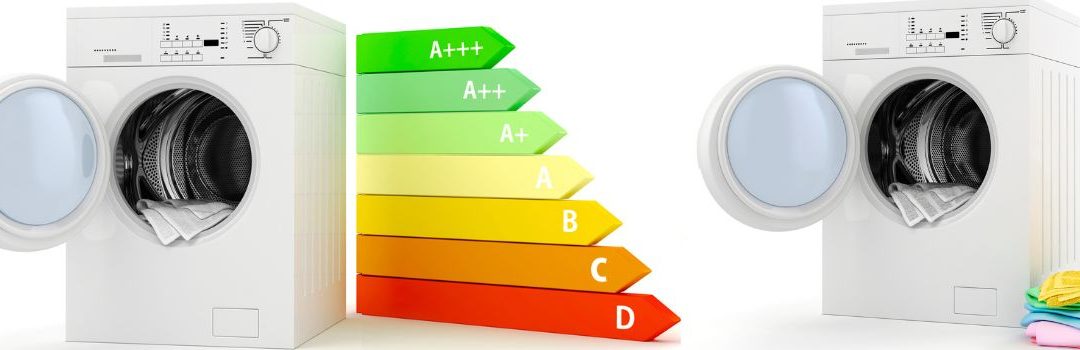
Smart Washing Machine Energy Efficiency Tips for Langley, BC Homeowners
Energy efficiency in household appliances plays a crucial role in reducing both utility bills and environmental impact. Washing machines, in particular, are significant energy consumers in homes, making their efficiency an important consideration for homeowners. Many households also factor in washing machine parts replacement as part of maintaining both efficiency and longevity of the appliance.
For residents of Langley, BC, focusing on washing machine energy efficiency is especially relevant. Local energy costs and the community’s commitment to environmental sustainability highlight the need to choose and operate washing machines in a way that minimizes energy use.
Over the past few decades, washing machine energy consumption has seen notable changes. According to data from Natural Resources Canada covering 1990 to 2008, there has been a trend toward improved energy efficiency in these appliances, driven by advances in technology and stricter energy regulations. Understanding these trends helps homeowners make informed decisions about their washing machines and energy use.
Understanding Washing Machine Energy Use
Washing machines have become significantly more energy-efficient over the past few decades, thanks to advancements in technology and design. Between 1990 and 2008, energy use in washing machines dropped by 79%. This dramatic reduction was largely due to the shift from traditional top-loading machines to more efficient front-loading models, which use less water and energy per load.
In more recent years, the trend toward efficiency has continued. From 2000 to 2014, clothes washers reduced their energy consumption by approximately 75%. This improvement reflects ongoing innovations in motor technology, water heating, and load sensing features that optimize each wash cycle.
Understanding energy use in washing machines involves looking at kilowatt-hours (kWh), which measures the amount of electricity consumed. Lower kWh consumption means less energy used and lower utility bills. By choosing energy-efficient models and properly managing wash loads, homeowners in Langley, BC can significantly reduce their energy costs while maintaining clean laundry.
Selecting an Energy-Efficient Washing Machine
When choosing a washing machine in Langley, BC, prioritizing energy efficiency can lead to significant savings on both your utility bills and water usage.
Choosing ENERGY STAR Certified Models
ENERGY STAR certified washing machines are designed to use about 20-25% less energy and 30-33% less water compared to standard models. This efficiency translates into long-term financial benefits, with potential savings of up to $530 over the lifetime of the machine. Look for features such as front-loading designs, which typically consume less water and energy, load-sensing technology that adjusts water usage based on the size of your laundry load, and efficient motors that reduce power consumption during operation. These features collectively contribute to reducing your household’s environmental footprint while lowering operating costs.
Considering Machine Capacity and Size
Selecting the appropriate machine capacity is crucial to avoid wasting energy. A washing machine that is too large for your typical laundry loads will use more water and electricity than necessary, while a machine that is too small may require multiple loads to wash the same amount of clothes. Assess your household’s laundry volume and choose a machine size that matches your needs to maximize energy efficiency and reduce unnecessary resource consumption.
Best Practices for Energy-Efficient Washing
Washing Habits
One of the simplest ways to save energy when doing laundry is to use the cold water setting. Heating water accounts for a significant portion of the energy used during a wash cycle, so opting for cold water can greatly reduce your energy consumption without compromising cleaning quality for most loads.
Avoid overfilling or underfilling your washing machine. Overloading can strain the machine and reduce cleaning effectiveness, leading to the need for additional cycles. Conversely, washing very small loads wastes water and energy. Aim to fill the machine to the recommended level to maximize efficiency.
Using the correct type and amount of detergent is also important. Excess detergent can cause residue build-up and require extra rinsing, while too little may not clean clothes properly, resulting in repeated washes.
Load Management
Try to wash full loads whenever possible. Running the washing machine with a full load ensures that the energy and water used are efficient relative to the amount of laundry cleaned. For lightly soiled clothes, quick wash cycles are a good option. These cycles use less water and energy and still get your clothes clean when they don’t require a deep wash.
Maintenance Tips
Regular maintenance helps keep your washing machine running efficiently. Clean the filters and door seals often to prevent build-up that can reduce performance. Additionally, inspect hoses and connections regularly to check for leaks, which not only waste water but can also increase your energy costs by making the machine work harder.
By adopting these best practices, Langley BC homeowners can significantly improve washing machine energy efficiency, saving money and reducing environmental impact.
Additional Energy and Water Saving Strategies
Using Efficient Drying Methods
Air drying your laundry is one of the most energy-efficient ways to dry clothes. Whenever weather and space allow, hanging clothes outside or on an indoor rack can significantly reduce electricity use. If air drying isn’t practical, consider using energy-efficient dryers. Look for models with high Energy Star ratings, moisture sensors, and heat pump technology to minimize energy consumption.
Scheduling Laundry
In Langley, BC, many households are subject to time-of-use electricity rates, where electricity costs vary based on the time of day. Scheduling your laundry during off-peak hours typically in the evenings or weekends can help reduce your energy bills. Check with your local utility provider to know the exact off-peak periods and plan your laundry loads accordingly.
Water Heating Considerations
Heating water accounts for a large portion of energy used in laundry. To reduce this, consider using solar water heaters or heat pump water heaters. Solar water heaters use the sun’s energy to warm your water, cutting down on electricity or gas consumption. Heat pump water heaters extract heat from the air to heat water more efficiently than conventional electric water heaters. Both options can provide warm water for laundry while lowering overall energy use.
Environmental and Financial Benefits for Langley Homeowners
Using energy-efficient washing machines and adopting efficient washing practices can lead to significant benefits for homeowners in Langley, BC. One of the most immediate advantages is a noticeable reduction in household energy bills. Efficient washers use less electricity and water, which lowers utility costs over time without compromising cleaning performance.
Beyond financial savings, these energy-efficient practices contribute to reducing greenhouse gas emissions in the local community. By consuming less electricity, especially if the local grid relies on fossil fuels, homeowners help decrease the overall carbon footprint. This collective effort supports Langley’s environmental goals and promotes a healthier, more sustainable neighborhood.
Additionally, investing in energy-efficient appliances like washing machines can enhance the value of your property. Modern, eco-friendly appliances are increasingly attractive to buyers who prioritize sustainability and lower operating costs. This can make your home stand out in the Langley real estate market, offering both immediate and long-term financial benefits.
Summary and Action Plan
Improving your washing machine’s energy efficiency in Langley, BC, involves focusing on three main areas: selecting the right machine, adopting efficient usage habits, and maintaining your appliance properly. Choosing an energy-efficient model can significantly reduce electricity consumption. Using cold water cycles, washing full loads, and minimizing the number of washes contribute to lowering energy use. Regular maintenance, such as cleaning filters and checking hoses, ensures your machine runs optimally and prevents energy waste.
Implementing these changes doesn’t have to happen all at once. Start by adjusting your laundry habits, then consider upgrading to a more efficient machine when possible. Maintaining your existing machine is an ongoing step that will continue to save energy and extend its lifespan.
For more detailed information and to find out about local incentives available in Langley, BC, you can visit the City of Langley’s official website or contact local utility providers. These resources often offer rebates or programs to help homeowners invest in energy-efficient appliances and practices.

LET’S CONNECT
OPEN HOURS
Mon-Fri: 8AM-6PM
Saturday: 10AM-6PM
Sunday: 10AM-6PM
QUICK LINKS:
LET’S CONNECT
(778) 600-1787
service@langleyappliancesrepair.ca
OPEN HOURS
Mon-Fri: 8AM-6PM
Saturday: 10AM-6PM
Sunday: 10AM-6PM
QUICK LINKS:
© 2025 Langley Appliances Repair All Rights Reserved | Privacy Policy | Sitemap