
A Practical Guide to Serving Langley Dryer Belt Compatibility by Model Number
Selecting the correct dryer belt is crucial for maintaining optimal dryer performance and ensuring the longevity of your appliance. A properly fitted belt helps the drum spin smoothly, preventing wear and tear on the motor and other components. Using an incompatible belt can lead to poor drying results, increased energy consumption, and potential damage to your dryer.
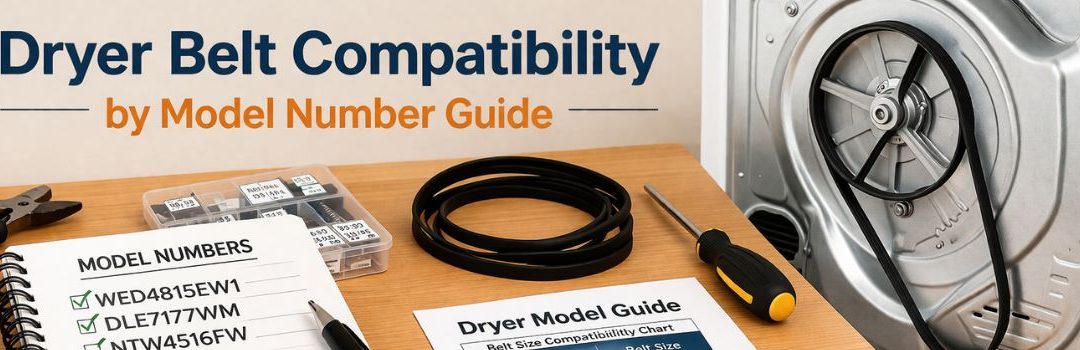
This guide focuses on dryer belt compatibility by model number, helping you find the right replacement belt for your specific dryer. It covers popular brands such as LG, Kenmore, Frigidaire, and Electrolux, providing detailed information to make your replacement process straightforward and reliable.
Understanding Dryer Belt Basics
What is a Dryer Belt?
A dryer belt is a crucial component in the operation of a clothes dryer. Its primary function is to wrap around the dryer drum, connecting it to the motor pulley. When the motor runs, it turns the belt, which in turn rotates the drum, allowing clothes to tumble and dry evenly. Without a functioning dryer belt, the drum would not spin, rendering the dryer useless sometimes leading users to mistakenly suspect a smart dryer remote malfunction instead of a mechanical issue.
Dryer belts are typically made from durable materials such as rubber or a rubber composite with embedded fibers for added strength. These materials ensure the belt can withstand the heat and tension within the dryer during operation. Common types include flat belts and ribbed belts, each designed for specific dryer models and motor configurations.
Signs You Need to Replace Your Dryer Belt
Knowing when to replace your dryer belt can save you from inconvenient and costly repairs. Here are some common signs that indicate a replacement is necessary:
- Noisy operation: If you hear unusual squeaking or thumping noises while the dryer is running, it could be a sign that the belt is worn or slipping.
- Dryer drum not turning: One of the most obvious indicators is when the dryer drum fails to rotate despite the motor running.
- Visible wear or breakage: Inspecting the belt for cracks, fraying, or complete breakage can help identify if it’s time for a new belt.
Components Related to Dryer Belts
Understanding related components can help in diagnosing dryer issues and performing repairs:
- Dryer roller: These rollers support the dryer drum and allow it to turn smoothly. Worn rollers can affect the belt’s tension and performance.
- Pulley: The motor pulley drives the belt and, consequently, the drum. Damage or wear to the pulley can disrupt belt operation.
- Idler pulley and spring: The idler pulley maintains the proper tension on the dryer belt via a spring mechanism, preventing slippage and ensuring efficient drum rotation.
Each of these parts works together to keep your dryer running efficiently. Replacing a faulty belt often involves checking these components for wear or damage as well.
Identifying Your Dryer Model Number
Locating the Model Number on Your Dryer
To find the model number of your dryer, check common locations such as the door frame, the back panel, or inside the dryer door. These spots typically have a label or metal plate containing important information about your appliance, including the model number. Inspect these areas carefully to locate the exact sequence of numbers and letters.
Decoding the Model Number
Each dryer brand uses specific codes within their model numbers that represent details like the series, features, and manufacturing date. Understanding these codes helps you identify the exact model and ensures you select compatible parts. For example, some brands embed information about the drum size or belt type within the model number, which is crucial for ordering the correct dryer belt replacement.
Dryer Belt Compatibility by Brand and Model
LG and Kenmore Dryer Belt Compatibility
For LG and Kenmore dryers, compatibility of dryer belts is essential for smooth operation and longevity. Many models from these brands share similar belt requirements, making it easier to find replacement parts. A popular option is the Dryer Roller, Belt & Pulley Repair Kit, which includes a dryer drum roller, idler pulley, belt, and spring. This kit is compatible with a wide range of LG and Kenmore dryers, providing a comprehensive repair solution. When selecting a belt for these brands, it is important to verify the model number and compare it with the kit specifications to ensure a proper fit.
Frigidaire, Electrolux, and Kenmore Dryers
Certain dryer belts, such as the 137292700 Dryer Drum Belt, are compatible with multiple brands including Frigidaire, Electrolux, and Kenmore. These belts fit specific models within these brands and are designed to maintain proper drum rotation and tension. When replacing belts for these dryers, ensure the belt part number matches the original or specified replacement to avoid compatibility issues.
Sears and Kenmore Dryer Belts
Sears and Kenmore dryers often use belts such as the 31001026 Dryer Drum Belt. This belt is designed to fit selected models from both brands and meet OEM specifications for durability and performance. When selecting a belt for Sears or Kenmore dryers, check the model number against the belt specifications to ensure compatibility.
How to Measure and Choose the Correct Dryer Belt Size
Understanding Dryer Belt Sizes
The size of a dryer belt primarily depends on the drum size and the type of dryer you have. Larger drums require longer belts to properly fit around the drum and the motor pulley, while smaller dryers use shorter belts. Additionally, the belt design may vary between dryer types, such as electric or gas models, affecting the belt’s width and thickness.
Common dryer belt sizes include lengths ranging from 70 to 120 inches, with widths typically between 1/2 inch to 1 inch. For example, a standard electric dryer might use a 92-inch belt, while a compact model could require a 70-inch belt. Knowing your dryer’s make and model helps narrow down the appropriate belt size.
Tools and Techniques for Measuring Dryer Belts
If you need to replace a dryer belt but don’t have the original specifications, measuring the existing belt is the most direct method. To do this, remove the belt from the dryer and lay it flat on a surface. Use a flexible measuring tape to measure the total length of the belt. Also, measure the width to ensure you select a belt that fits the drum’s groove correctly.
When the existing belt is broken or missing, you can refer to the manufacturer’s specifications. Check the dryer’s manual or the manufacturer’s website for belt size details specific to your model number. This information ensures you order the correct replacement belt that matches the drum size and belt width requirements.
Comprehensive Dryer Belt Sizing Guide
For a detailed reference, sizing charts and tables provide an excellent resource to match your dryer model with the correct belt size. These guides list model numbers alongside recommended belt lengths and widths, simplifying the selection process.
Step-by-Step Guide to Replacing a Dryer Belt
Preparing for Replacement
Before starting the replacement, ensure the dryer is unplugged from the power source to avoid electrical hazards. It’s also wise to wear gloves to protect your hands from sharp edges inside the dryer.
Gather the necessary tools: a screwdriver (usually Phillips or flathead), a socket wrench, and possibly pliers. Having a flashlight can help illuminate tight or dark spaces within the dryer.
Removing the Old Belt
First, access the dryer drum by removing the front panel or top panel, depending on your dryer model. This usually involves unscrewing several screws and carefully lifting or pulling the panel away.
Once you have access, locate the drum and the belt wrapped around it. Detach the belt from the idler pulley and the motor pulley. You may need to release the tension by moving the idler pulley. Remove any rollers or pulleys obstructing belt removal, taking note of their placement for reassembly.
Installing the New Belt
Place the new belt around the dryer drum, ensuring the ribbed side of the belt contacts the drum surface for proper grip. Loop the belt around the idler pulley and motor pulley, following the original belt path.
Apply tension by positioning the idler pulley so the belt is taut but not overly tight. The idler pulley maintains the right tension to keep the drum turning smoothly.
Testing the Dryer After Replacement
Plug the dryer back in and run a short test cycle. Observe the drum to confirm it rotates evenly and without slipping.
Listen for unusual noises such as squeaking or grinding, which might indicate improper belt installation or tension issues. If everything runs smoothly, the replacement is successful.
Where to Purchase Compatible Dryer Belts and Repair Kits
When looking to replace your dryer belt or find a repair kit, choosing the right supplier is crucial to ensure compatibility and quality. Here are some recommended suppliers and platforms for Langley dryer belts and repair kits:
- BlueStars Parts: This supplier specializes in repair kits for brands like LG and Kenmore, offering reliable and well-reviewed products that fit a variety of models.
- Parts-O-Matic: Known for its extensive inventory, Parts-O-Matic provides model-specific dryer belts, making it easier to find the exact belt that matches your Langley dryer.
- Sears PartsDirect: For those seeking OEM (Original Equipment Manufacturer) parts, Sears PartsDirect is a trusted source. They offer genuine parts that guarantee compatibility and performance.
Tips for Verifying Authenticity and Compatibility
To ensure you purchase the correct and authentic dryer belt or repair kit, consider the following tips:
- Check the model number: Always verify your dryer’s model number before ordering. This number is usually found inside the door frame or on the back of the unit.
- Compare part numbers: Cross-reference the part number of the belt or kit with your dryer’s manufacturer specifications.
- Read reviews: Customer feedback can provide insight into the product’s reliability and fit.
- Confirm return policies: Buy from suppliers that offer clear return or exchange policies in case the part doesn’t fit.
- Avoid counterfeit products: Purchase from reputable sellers to reduce the risk of counterfeit or substandard parts.
By following these guidelines and purchasing from trusted sources, you can ensure your Langley dryer is repaired with the right parts, promoting longevity and efficient operation.
Conclusion
Accurately identifying your Langley dryer model number is essential for selecting the correct dryer belt. This ensures a proper fit, which directly impacts the longevity and performance of your appliance. Choosing the right belt prevents unnecessary wear and tear, reducing the risk of breakdowns and costly repairs.
To maintain optimal dryer function, always follow proper replacement and maintenance procedures. Regularly inspecting the belt and replacing it with the correct model number compatible part will help keep your dryer running smoothly for years to come.

LET’S CONNECT
OPEN HOURS
Mon-Fri: 8AM-6PM
Saturday: 10AM-6PM
Sunday: 10AM-6PM
QUICK LINKS:
LET’S CONNECT
(778) 600-1787
service@langleyappliancesrepair.ca
OPEN HOURS
Mon-Fri: 8AM-6PM
Saturday: 10AM-6PM
Sunday: 10AM-6PM
QUICK LINKS:
© 2025 Langley Appliances Repair All Rights Reserved | Privacy Policy | Sitemap