

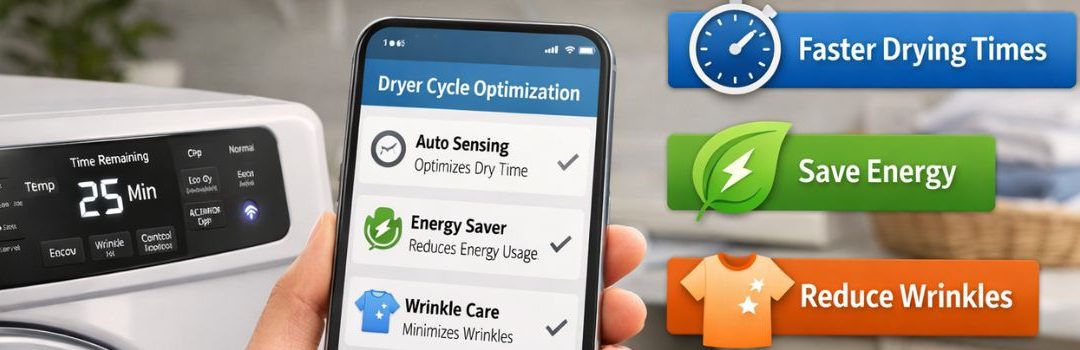
How Langley Households Can Master Dryer Efficiency
Optimizing dryer cycles is essential for both energy efficiency and the care of your garments. By selecting the right settings and cycle lengths, you can reduce energy consumption, lower utility bills, and extend the lifespan of your clothes. This not only benefits the environment but also helps you save money over time.
For households in Langley, optimizing dryer cycles holds particular importance. The local climate, characterized by its mild, often damp conditions, means that laundry tends to take longer to dry naturally. This can lead to increased reliance on dryers, making energy efficiency a priority. Additionally, energy costs in Langley have been steadily rising, encouraging residents to find smarter ways to manage their household energy use. Typical laundry habits, such as frequent washing during wetter months, further highlight the need for effective dryer cycle optimization to maintain garment quality while minimizing energy waste. Paying attention to dryer belt compatibility according to model number can further improve dryer performance and prevent unnecessary wear.
Understanding Dryer Cycles: A Comprehensive Overview
Common Dryer Cycles and Their Purposes
Dryers come with various cycles designed to accommodate different fabric types and drying needs:
- Regular/Normal: This cycle is intended for everyday fabrics like cotton and linen. It uses high heat and a standard drying time to thoroughly dry sturdy clothes.
- Delicate: Designed for fragile fabrics such as silk or lace, this cycle uses low heat and a gentler tumbling action to prevent damage.
- Permanent Press: Ideal for synthetic fabrics and blends, this cycle uses medium heat and a cool-down period to reduce wrinkles and maintain fabric appearance.
- Heavy Duty: For heavy items like towels, jeans, and bedding, this cycle employs higher heat and longer drying times to ensure thorough drying.
- Timed Dry: This cycle allows you to set a specific drying time regardless of fabric type, useful for items that need a quick dry or slight dampness left.
The Sensor Dry Cycle: Technology and Benefits
Modern dryers often feature a sensor dry cycle that enhances drying efficiency and fabric care. This cycle uses moisture and temperature sensors to monitor the dryness level of your clothes continuously. Once the sensors detect that the garments have reached optimal dryness, the dryer automatically stops, preventing over-drying.
The benefits of the sensor dry cycle include:
- Time-saving: By stopping the cycle at the right moment, it reduces unnecessary drying time.
- Fabric protection: Prevents damage caused by excessive heat exposure, preserving the quality and lifespan of your clothes.
- Energy efficiency: Minimizes electricity usage by avoiding over-drying, thereby lowering energy consumption and utility bills.
Smart Dryer Features Enhancing Cycle Optimization
Advancements in smart technology have introduced features that optimize dryer cycles further:
- Smart Diagnosis™: This feature allows the dryer to communicate issues directly to your smartphone app, enabling quick troubleshooting and reducing downtime.
- Smart Pairing: By syncing the washer and dryer, this technology ensures that drying cycles are perfectly matched to the washing loads, enhancing efficiency and saving time.
These smart features help Langley households achieve better drying results while optimizing energy use and maintaining fabric care.
How Smart Cycles Optimize Energy Use
Automatic Adjustment of Drying Time and Temperature
Smart dryer cycles use advanced sensors to detect the size of the load and monitor moisture levels throughout the drying process. By accurately assessing these factors, the dryer can automatically adjust the drying time and temperature to match the specific needs of each load. This prevents over-drying and overheating, which not only protects your clothes from damage but also ensures that energy is not wasted on unnecessary drying.
Energy Savings and Environmental Impact
By optimizing drying time and temperature, smart cycles significantly reduce electricity consumption compared to traditional drying methods. This efficiency translates to noticeable savings on utility bills for Langley households. Additionally, using less energy helps lower the environmental impact, contributing to reduced carbon emissions.
Practical Tips for Maximizing Dryer Efficiency in Langley
Preparing Laundry for Optimal Drying
To get the most out of your dryer, start by preparing your laundry properly. Use your washer’s highest spin setting to remove as much moisture as possible before transferring clothes to the dryer. This reduces drying time and saves energy by minimizing the effort needed to dry damp clothes fully. Additionally, sorting laundry by fabric type and dryness needs helps optimize drying cycles. Group heavier fabrics like towels and jeans separately from lighter items such as t-shirts or delicates, so you can select the appropriate drying cycle for each load, enhancing efficiency and garment care.
Maintaining Your Dryer
Maintaining your dryer is key to its performance and safety. Regularly clean the lint screen after every load to ensure proper air circulation. Over time, lint can accumulate in dryer ducts, restricting airflow and increasing drying time. Cleaning the ducts periodically not only improves efficiency but also prevents fire hazards, making it an essential part of dryer upkeep.
Selecting the Right Cycle for Different Fabrics and Loads
Choosing the appropriate drying cycle is crucial for both energy savings and fabric care. Use sensor dry cycles when possible; these detect moisture levels and stop the dryer once clothes are dry, preventing over-drying and saving electricity. Timed dry cycles are better suited for items that require a precise drying time or for very small loads.
For delicate fabrics, select gentle or low heat cycles to avoid damage, while heavy loads like bedding and towels benefit from high heat and longer cycles. Tailoring the cycle to the fabric and load size ensures efficient drying and extends the life of your clothing.
Advanced Smart Dryer Technologies and Trends
Integration with Home Automation
Modern smart dryers increasingly integrate with home automation systems, allowing users to monitor and control their drying cycles remotely through smartphone apps. This connectivity enables homeowners in Langley to start, pause, or adjust drying cycles from anywhere, providing convenience and flexibility. Additionally, these apps often include scheduling features, so users can set their dryers to run at specific times, such as during off-peak energy hours, helping to optimize energy use and reduce costs. Notifications are another key feature, alerting users when a cycle is complete or if maintenance is needed, ensuring timely attention to laundry tasks.
Emerging Features
Smart dryers are evolving with advanced technologies to improve efficiency and fabric care. AI-based drying algorithms are becoming more common, using sensors and machine learning to detect moisture levels and fabric types. This allows the dryer to adjust cycle length and heat settings dynamically, preventing over-drying and reducing energy consumption. Enhanced fabric care settings are also being introduced, offering specialized cycles for delicate materials, heavy-duty fabrics, and mixed loads. These features help extend the life of clothing and improve overall drying performance for Langley households.
Economic and Environmental Benefits for Langley Households
Cost Savings Over Time
Using smart dryer cycles can significantly reduce energy consumption, leading to noticeable savings on electricity bills for Langley households. These advanced cycles optimize drying time and temperature based on the load size and fabric type, ensuring that the dryer only uses the necessary amount of energy. Over time, this efficiency translates into lower utility costs without compromising drying performance.
Contribution to Sustainability
Smart drying practices help Langley residents reduce their carbon footprint by minimizing unnecessary energy use. By tailoring drying cycles to specific needs, these intelligent systems reduce the amount of power consumed, which in turn lowers greenhouse gas emissions associated with electricity production. Adopting smart dryer technology supports local and global sustainability efforts by promoting energy conservation and reducing environmental impact.
Conclusion
Optimizing your smart dryer cycle is essential for achieving the best balance between efficiency, fabric care, and cost savings. By selecting the appropriate cycle for your load, utilizing moisture sensors, and regularly maintaining your dryer, you can ensure your clothes are dried effectively without unnecessary energy consumption. Langley households can benefit greatly from adopting these smart drying practices, reducing both their environmental impact and utility bills while keeping fabrics in top condition.
Embracing smart dryer technology and following these optimization tips will lead to a more sustainable and convenient laundry routine tailored to your household’s needs.

LET’S CONNECT
OPEN HOURS
Mon-Fri: 8AM-6PM
Saturday: 10AM-6PM
Sunday: 10AM-6PM
QUICK LINKS:
LET’S CONNECT
(778) 600-1787
service@langleyappliancesrepair.ca
OPEN HOURS
Mon-Fri: 8AM-6PM
Saturday: 10AM-6PM
Sunday: 10AM-6PM
QUICK LINKS:
© 2025 Langley Appliances Repair All Rights Reserved | Privacy Policy | Sitemap